












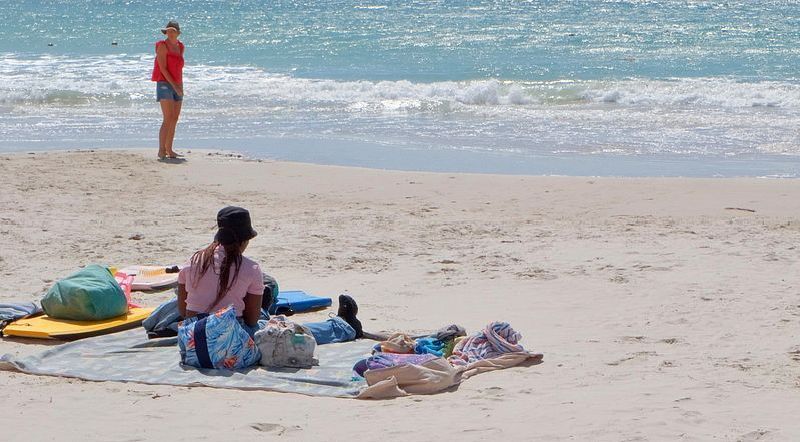
This idea for this post germinated while I was recently watching people and families arrive at Fish Hoek Beach.
Although I was born and grew up in Port Elizabeth, our beach excursions were few and far between. And now I think I understand why.
A trip to the beach is never spontaneous. People like to pretend it is — “We just decided to pop down for the day” — but this is a lie we tell ourselves and others.
Being on a beach always conjures up this Spike Milligan(1918-2002) parody of John Masefield’s poem ‘Sea Fever’, written in 1902:
To the lonely sea and the sky,
I left my shoes and socks down there
I wonder if they’re dry?
A beach visit is a ritual, and like all rituals, it requires preparation, sacrifice, and a vague sense that something may go wrong.
It begins, as all great beach days do, with planning. Not proper planning, mind you — more the optimistic kind. Someone checks the weather. Someone else says, “It looks fine.” This is usually followed by the phrase “We’ll just see how it goes,” which is beach-speak for “we will absolutely overcommit.” Bags are packed with military efficiency: towels, sunscreen, snacks, water, hats, books that will not be read, and at least one item nobody remembers bringing but everyone will complain about carrying.
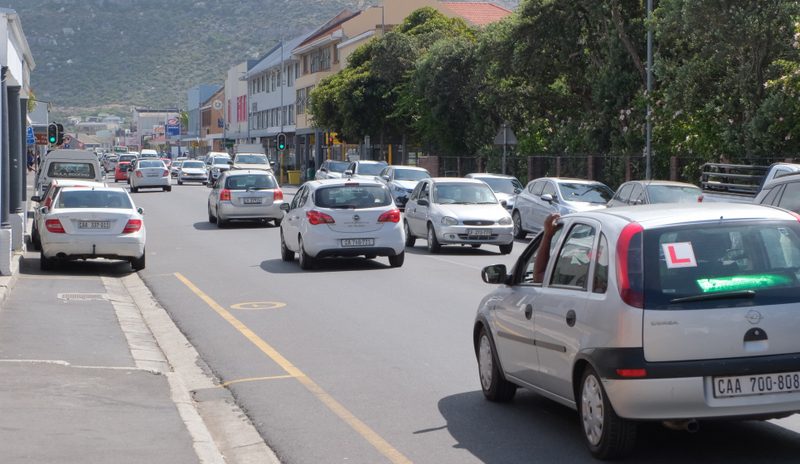
Then comes the journey. Spirits are high. Windows are down. Music is loud. Traffic is ignored. You are heading toward the ocean — that vast, calming body of water that will, in theory, wash away all stress. This feeling lasts until you reach the beachfront and realise that every other human being on earth has had the same idea.
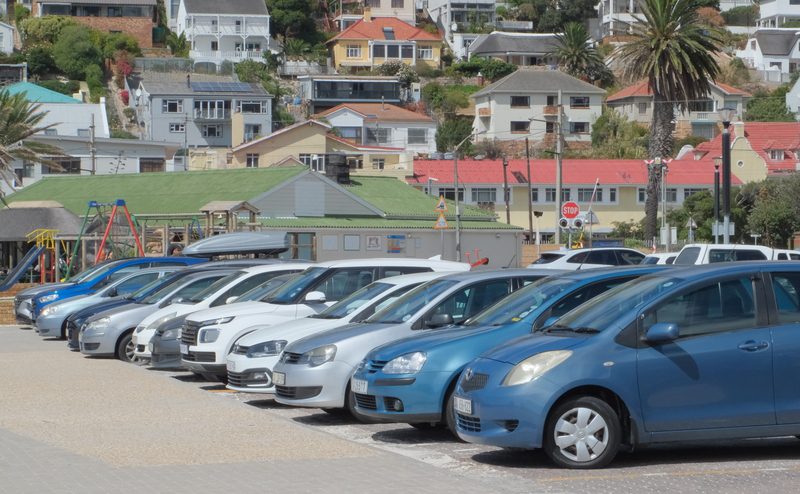
Now the real test begins: parking.
Parking near a beach is less about driving and more about hunting. You circle slowly, eyes narrowed, scanning for signs of movement. A brake light flickers. Someone approaches a car with keys in hand.
Is this it? No, they are collecting a forgotten bag. Hope dies. Eventually, you park so far away that the beach is now a destination hike, and the walk back later will be discussed in hushed, resentful tones.
Parking secured, you begin the hike. This is where you realise how much you have brought. Coolers gain weight. Chairs develop sharp edges. Umbrellas seem longer than they were five minutes ago.
Everyone insists they are carrying “most of the stuff,” yet no one believes this. You reach the sand, already slightly tired, but buoyed by the knowledge that relaxation is imminent.
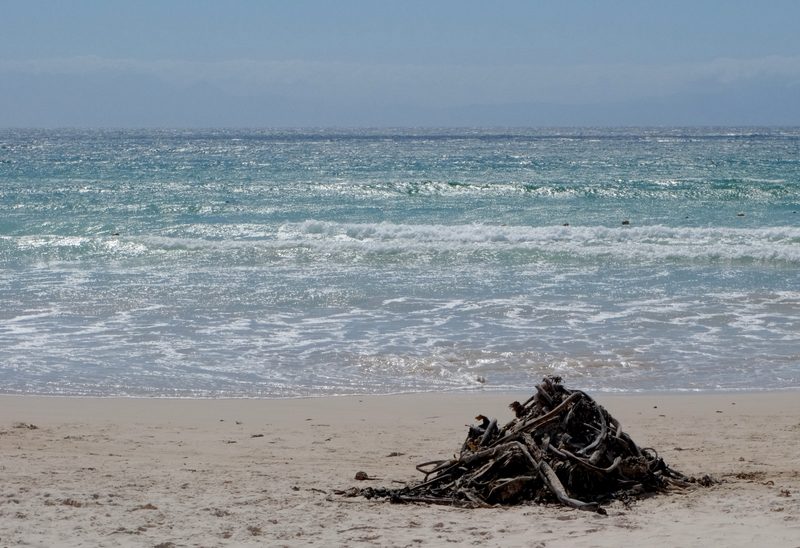
I have often wondered if the seaweed that washes up on the beaches here is edible.
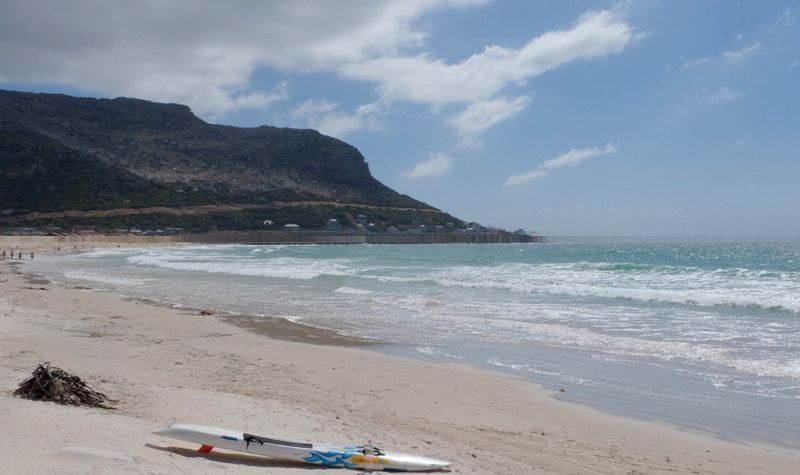
Choosing where to sit on a beach is an art form. Too close to the water and you’ll be washed away. Too far and you’ll feel foolish. You must avoid proximity to:
Loud families
Competitive frisbee throwers or any game that involves a ball of ANY description or size.
People who brought speakers
Anyone who looks like they might smoke
After much pacing and passive-aggressive commentary, a space is chosen. This space will later prove to be wrong.
This is the best time to come to the beach.
Now comes the unpacking — the most optimistic phase of the ritual. Towels are laid with care. Chairs are positioned at angles that suggest future comfort. The umbrella is wrestled into the sand like an uncooperative animal. Someone immediately complains that they’re in the shade. Someone else complains they aren’t. Adjustments are made. Sand gets everywhere.
Sunscreen application is a performance involving contortion, negotiation, and missed patches. Everyone is confident they’ve done it properly. They have not. This will become apparent tomorrow. Someone always asks, “Did you do the back of your neck?” This question arrives too late.
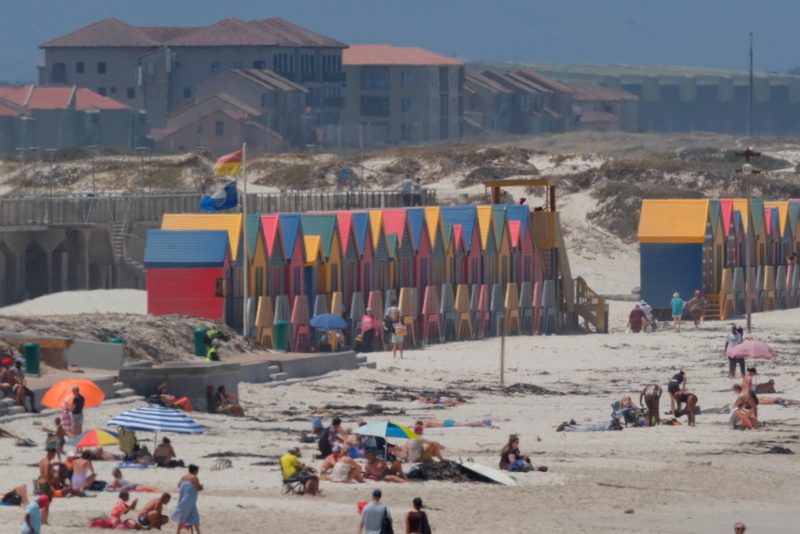
The iconic bathing houses at Muizenburg. I was informed that they are going to be moved and upgraded soon.
 Back at your spot, it’s time to eat.
No matter how carefully your food was packaged, there WILL be sand where you least expected to find it. This is not accidental; it is inevitable.
Grit crunches between teeth. Someone shrugs and says, “Extra fibre.” Drinks are warm. Crisps are soft. Humans are annoyed.
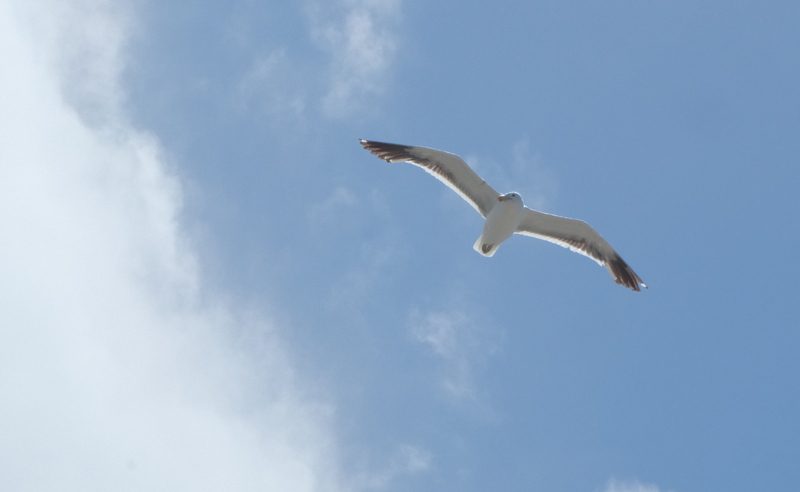
A gull circles above like a vulture over a carcass. Just waiting to swoop in and claim some of your food.
Did you know?
There are around 50-odd species worldwide: kelp gulls, Hartlaub’s gulls, black-backed gulls, etc. None of them has “sea” in the name.
So where did “seagull” come from?
Blame convenience and coastlines. People most often encountered gulls at the seaside, so “sea + gull” became a handy, descriptive mash-up in everyday speech. It’s the same reason people say “seahorse” or “sea lion” — familiar animal plus watery postcode.
The irony?
Many gulls are not especially maritime at all. They thrive inland, at dams, rubbish dumps, parking lots, sports fields, and anywhere chips are dropped. In Johannesburg, gulls are about as “sea”-based as a minibus taxi.
So why does the term persist?
The short answer is laziness…
It’s been in common English usage since at least the 18th century
It’s intuitive and easy
Language doesn’t care about taxonomy — it cares about habits and shortcuts
So, correctly speaking, “seagull” doesn’t exist biologically, but it exists in our human vocabulary. The gulls themselves, meanwhile, couldn’t care less what we call them — as long as we’re still dropping food.
So the next time a GULL snatches one of your chips, you can chastise it correctly. But I bet you will forget.
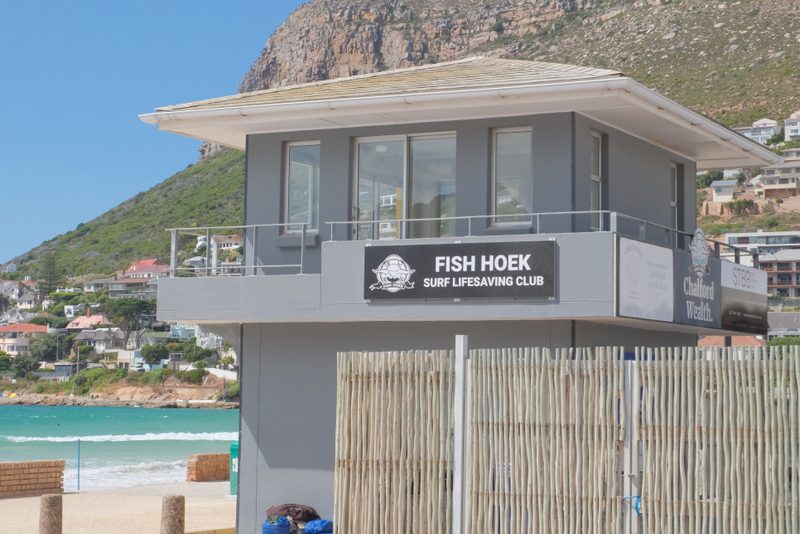
If you are going to be swimming in this area, then a SLC is important.
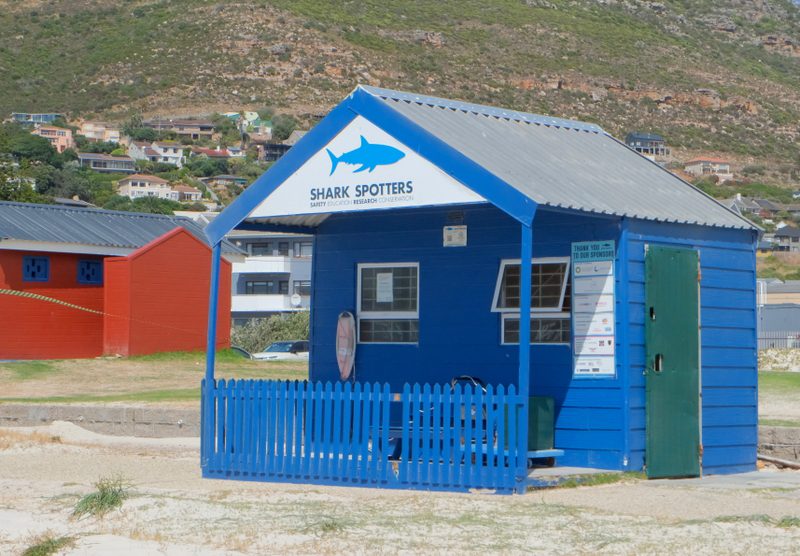
You need to make certain that these volunteers are on duty before you head into the water.
And take heed of their warnings, they are there for your protection and NOT to spoil your fun.
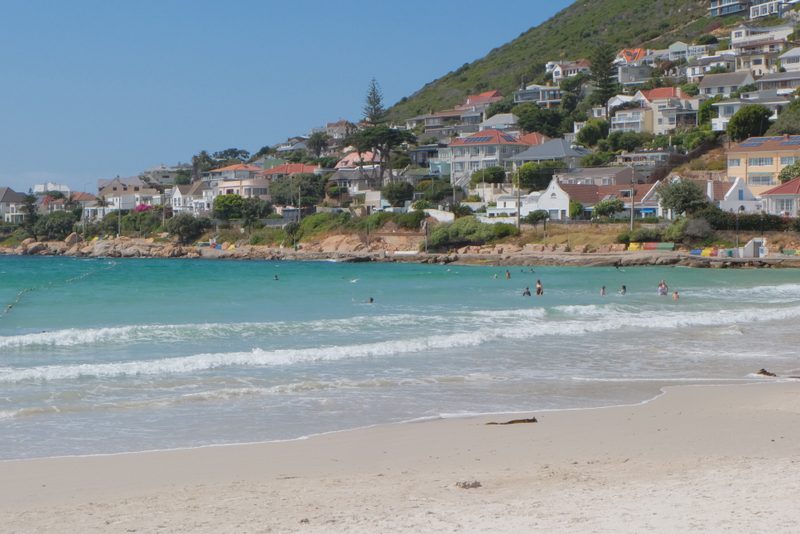
At last — finally — you sit down.
You look at the ocean. It is beautiful. Someone suggests a quick dip. This is never quick. The water is cold. You walk in slowly, questioning your resolve, until a wave hits somewhere personal and the decision is made for you. You emerge refreshed, slightly traumatised, and now damp in places that will never fully dry.
This is a corner of Fish Hoek beach looking towards the road to Glencairn Heights and Simonstown.
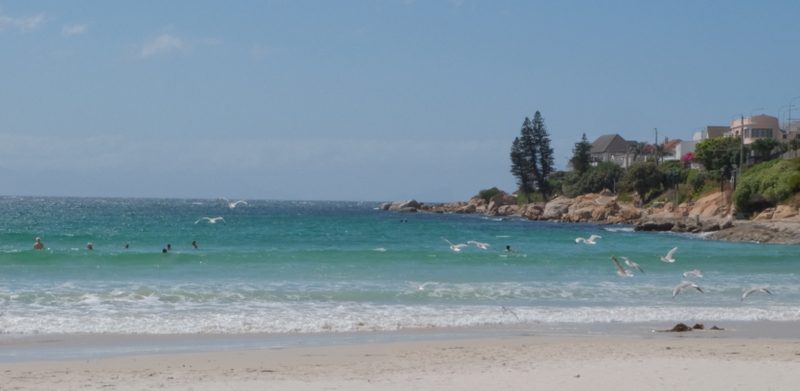
Flocks of gulls frequent this Fish Hoek beach and only move when, and if, they feel like it.
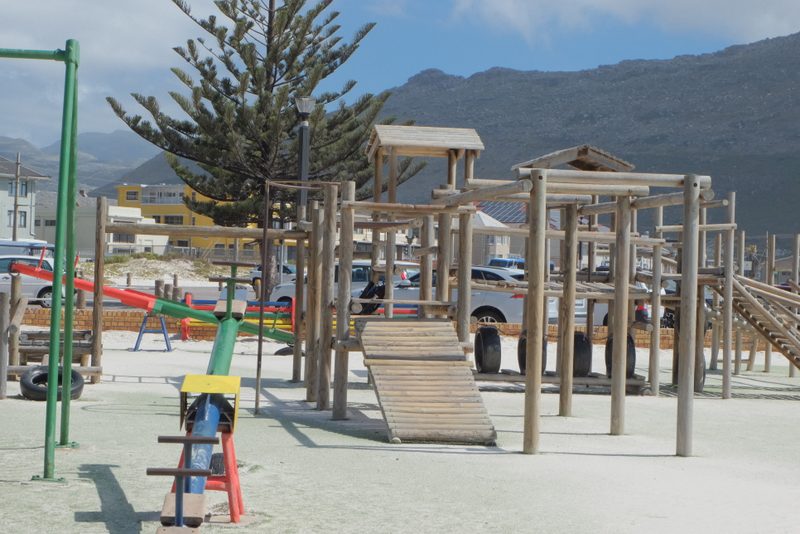
You check the time.
It is astonishing. You have been at the beach for approximately 17 minutes, yet it feels like the day is over. Someone says, “We should probably start packing up.” Nobody argues.
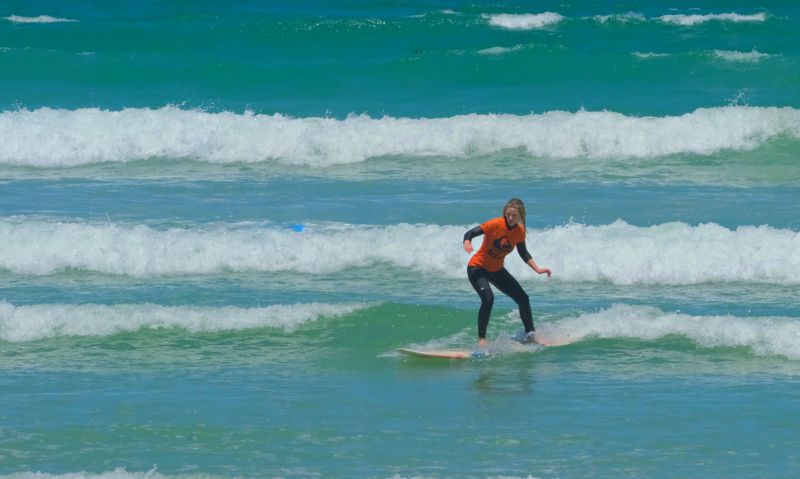
Perhaps this will keep the children occupied while you pack up…or will it?
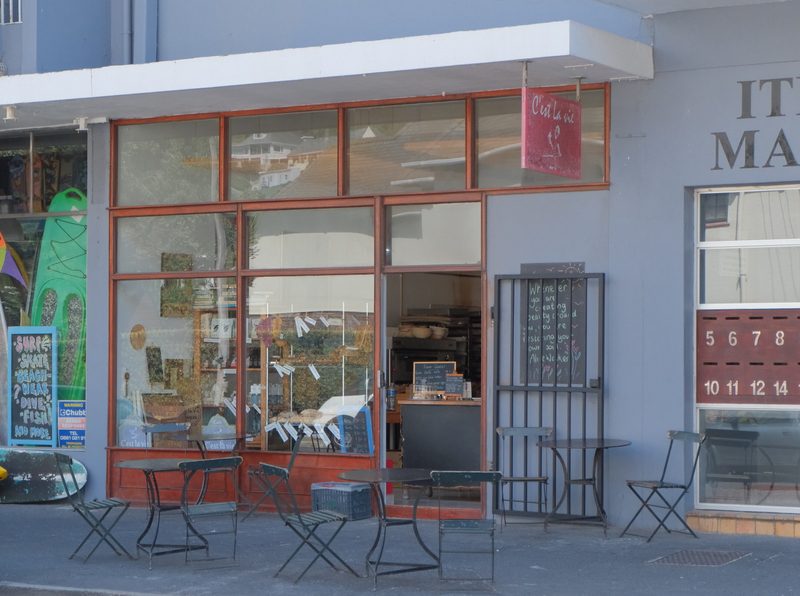
Not one for the beach? Fish Hoek has many interesting coffee shops.
This bakery is billed as the best in the South, but check their operating hours as they are not what you might expect.

So, if you DON’T want to waste valuable beach time, why not catch a train? By the way, for this article, I am focusing on the Southern side of Cape Town.
From Rondebosch, Newlands, Claremont, Harfield Road, Kenilworth, Wynberg, Wittebome, Plumstead, Steurhof, Dieprivier, Heathfield, Retreat, Steenberg, Lakeside, False Bay, Muizenberg, St James, Kalk Bay, and finally Fish Hoek
So, if you are commuting on the south side, might I suggest you use the train instead of driving?
Everything that took ages to unpack is now thrown back into bags with no concern for order or logic. Wet towels mingle with dry clothes. Sand migrates permanently into your belongings. The umbrella resists removal out of spite. The walk back to the car is quieter, slower, and filled with subtle regret.
Driving home, everyone smells faintly of salt and sunscreen. Skin tingles ominously. Someone says, “It was actually nice.” And it was. Despite everything. Or perhaps because of it.
Because the beach isn’t about ease or efficiency. It’s about shared inconvenience, familiar chaos, and the strange satisfaction of completing a ritual we all pretend we’ll streamline next time — knowing full well we won’t.
And yes… it was worth it.
Mostly.
But there is always time for one more wave.


Travel & Things is the proud winner of these prestigious awards from the digital British lifestyle magazine Luxlife.
The awards are in the categories:
Best Travel & Experiences Blog 2024 – South Africa
Best African Game Reserves & Lodges Travel Review Site 2025.
Best African Resorts and Retreats Award 2025.

See who the guests have been since the inception of this YouTube channel.
Click on the logo above.

Looking for something to read? Click on the logo above to visit the Off the Shelf YouTube channel for interesting and up-to-date interviews and book reviews.
“Hard work never killed anybody, but why take a chance?”
Edgar Bergen
All images are the copyright property of

and may not be used without permission.

All images used in Travel & Things posts are edited using Ribbet software. To learn more about the product and what it offers both amateur and professional photographers, click on the logo above.