

















This is one of those questions that starts out sounding nostalgic and ends up being quietly unsettling.
It seems rather ironic that I am typing this post in Johannesburg while tuned into an online Bluegrass radio station out of Nashville. Back in the day, in Port Elizabeth, I could barely get LM Radio out of Mozambique. Sometimes change is good.
However, before the internet and mobile phones, people stayed in contact by accepting absence. That sounds almost radical now.
Back then, you weren’t constantly reachable, and that wasn’t a failure of technology — it was the social contract.
Before dial-up internet, colour fax machines, et al, we had to rely on human interaction for communication.
Imagine THAT. Actually, having to interact with another human. Not via voice mail or text messages. But in person…face-to-face, or at the very least telephonically.
Yes, there were telephone answering machines, but not many of us had those.
This conundrum reminds me of the Eagles song from 1976, Hotel California.
“Relax”, said the night man“We are programmed to receive”You can check out any time you like, but you can never leave”.
“How did you communicate?”, I hear the Millennials and GenZs enquire…
Well, back in the day, our communication looked something like this…
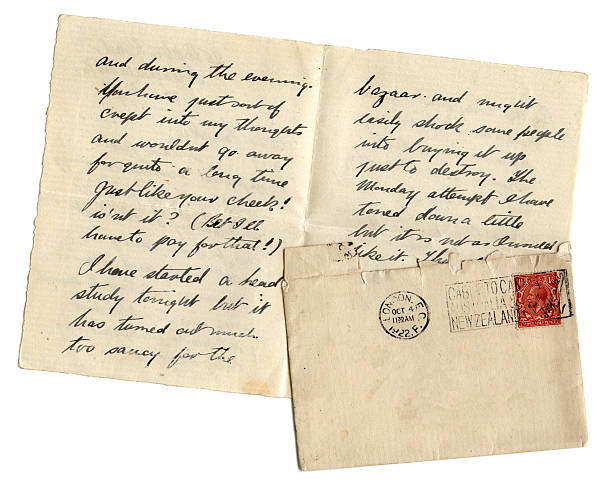
We wrote letters. Real ones. Slowly. Thoughtfully. We didn’t fire off a half-baked thought while standing in a queue at Pick’n Pay.
You sat down, you reflected, you chose words. And there was no spell-check, so you had to make certain that what was written was correct.
And because replies took days or weeks, letters carried weight. They were read, reread, placed in boxes, or saved in drawers.
They were a historical link to the past (sort of like the memories feature on Facebook, but with actual words, not some made-up shorthand and emojis that never mean exactly what they look like).
Communication had texture.
Back in 1971, when I was compelled by the South African Government of the time to do a year of National Service, I started corresponding with a girl whom I had met at a movie the day before I had to report for duty.
We wrote to each other for the entire year that I was in uniform, yet I never saw her again. I seem to remember being told that she and her family had moved to the USA.
But the point was that the letters we wrote to each other were about 32 pages long and usually took a week to write.
The moment I posted a letter to her, I began the next one. By the time her response arrived, all I had to do was tackle any questions that she had raised and post it almost immediately.
Could you imagine that occurring today? I don’t think so.
Although we have not been in touch for 55 years, I still remember her name and how special and important that correspondence was to me.

Then there was the telephone, but crucially, it was anchored to a place, before the advent of cordless phones.
Often, it had pride of place in the house of your parents or even grandparents. It was seen more as an ornament and only to be used when necessary.
You phoned a house, not a person. If they weren’t there, tough. You tried again later. No panic, no double-tick anxiety, no “why haven’t they replied?” spiral. Silence didn’t mean rejection — it meant life was happening elsewhere.
Phones were also used by people to make arrangements properly. “I’ll meet you outside Bob’s Coffee Shop at 10 am on Tuesday.”
And then — brace yourself — they arrived. On time. Because there was no way to text “running late” or drop a pin. Reliability was a social skill, not an app feature.
And perhaps most importantly, people were allowed to be mentally unavailable. If someone went on holiday, they were gone.
Properly gone. No photos of every meal, no status updates, no picture-perfect sunrises and/or sunsets. You caught up when they got back, over a home-cooked meal, with stories that hadn’t already been doom-scrolled on a screen.

Now compare that to today.
We’re not really “connected” — we’re on call. Permanently. Add to that the fact that if you do go away, you have to carry a plethora of cables and chargers that take up much of your onboard weight allowance.
Our phones have become emotional prosthetics: reassurance machines, boredom killers, anxiety dampers.
We don’t hold them because we need information; we hold them because they promise control.
Or at least the illusion of it.
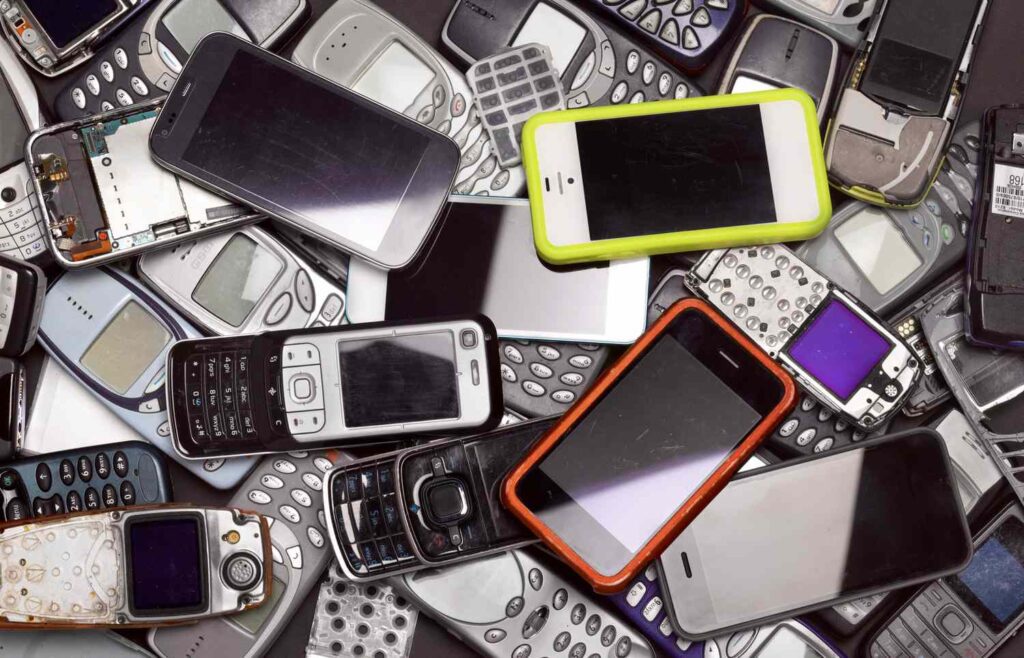
The irony? We’ve never had so many ways to communicate, and yet genuine presence feels rarer than ever. We’re terrified of disconnection because we’ve forgotten that it’s where reflection, creativity, and even humour live — you know, the good stuff.

The older system wasn’t perfect, but it trusted people to be whole without constant contact.
Maybe the real luxury now isn’t faster Wi-Fi — it’s the courage to occasionally be unreachable.
This was brought home to me when my home wi-fi went down recently. It was off for less than 10 minutes, but in that time, I had reverted to a backup system( my phone as a hotspot connection) to remain online and had contacted my ISP several times in a vain attempt to try to discover how long the outage would be.
The irony of the situation was brought home when I rang the company, and the recorded voice said that I should “check their webpage” for a list of current issues. If I were able to do that, then I would not have needed to call, would I?
So, when was the last time YOU logged out or switched off all your devices for an extended period?
Spend time in the digital darkness and see if you can enjoy the silence or if you might find it overwhelming.
We keep saying that we need to disconnect digitally, yet current norms and standards almost require that we be connected.
Whether we want to or not…
Take the plunge, turn off and tune in…to yourself.


Travel & Things is the proud winner of these prestigious awards from the digital British lifestyle magazine Luxlife.
The awards are in the categories:
Best Travel & Experiences Blog 2024 – South Africa
Best African Game Reserves & Lodges Travel Review Site 2025.
Best African Resorts and Retreats Award 2025.

See who the guests have been since the inception of this YouTube channel.
Click on the logo above.

Looking for something to read? Click on the logo above to visit the Off the Shelf YouTube channel for interesting and up-to-date interviews and book reviews.
“Hard work never killed anybody, but why take a chance?”
Edgar Bergen
Identified images are the copyright property of

and may not be used without permission.

All images used in Travel & Things posts are edited using Ribbet software. To learn more about the product and what it offers both amateur and professional photographers, click on the logo above.