















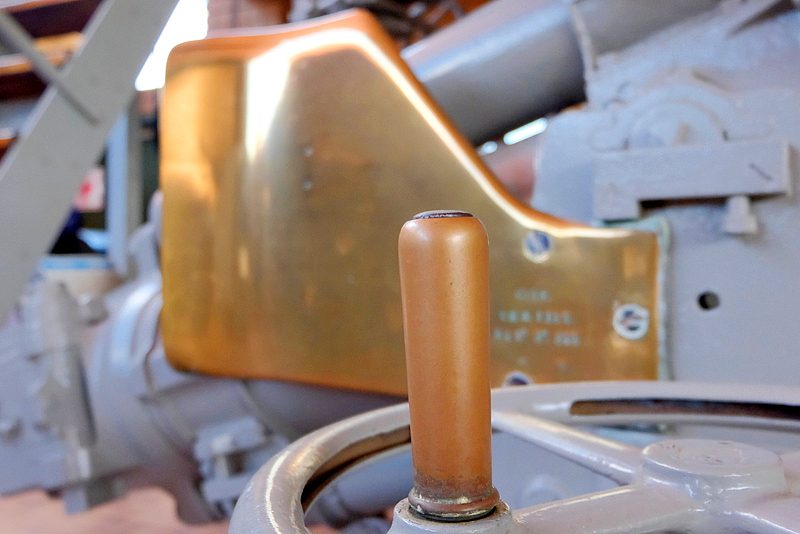
Who handled this handle?
Once again, in this second part of my recent visit to this hidden gem in the middle of leafy Saxonwold, I focus on the minutiae and not the whole.
It is easy to be overwhelmed by the large vehicles, weaponry, and planes on display. But it is the humans who lived and died, in those vehicles where the stories lie.
Not all their names are known, as some lie buried in war graves that bear no names.
And there are possibly some, on both sides, who left to fight and never came back. And their remains were never recovered.
It’s to those, the vanished of every war, that I dedicate this post.
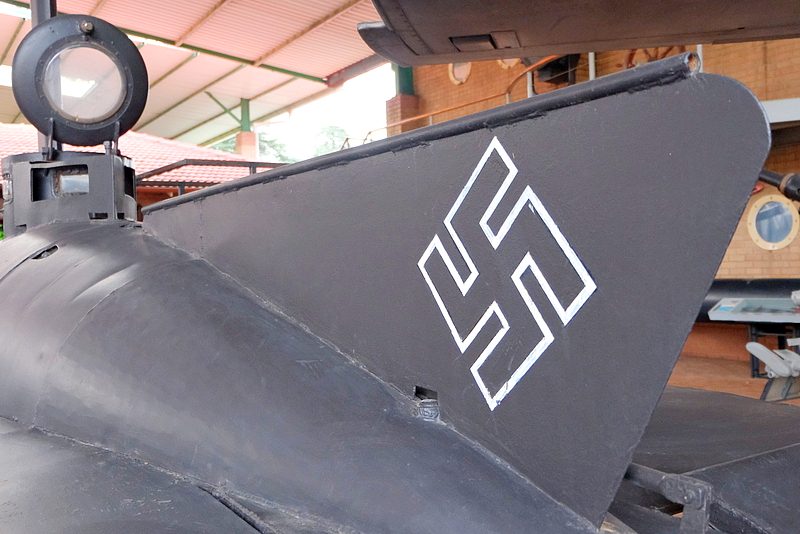
Could you imagine the feeling of the Allied Forces when they saw this insignia for the first time?
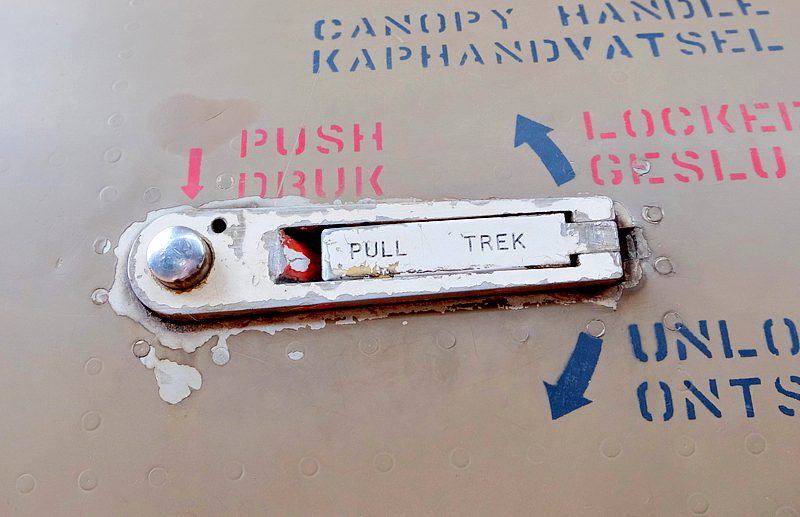
How many times was this lock on the aircraft cockpit opened and closed during the course of the combat missions it flew.

There are units in history that exist not just in records, but in memory—spoken of in quieter tones, with a mixture of respect, controversy, and something harder to define. 32 Battalion was one of those. Forged in the unforgiving terrain of the Angolan bush during the long, complex years of the South African Border War, they became known as “the Buffalo Battalion”—a name that carried both fear and admiration. They were trackers, fighters, survivors—men who understood the land in a way that went beyond maps or command structures. In the silence of the bush, where danger was often sensed before it was seen, they moved with an instinct sharpened by necessity and experience.
This was the emblem of the dreaded 32 Battalion.
But behind the legend lies something far more human. Many of the soldiers were Angolan, caught in the shifting tides of politics and conflict, fighting a war that was never entirely their own, yet becoming inseparably bound to it. Loyalty, survival, identity—these were not abstract ideas to them, but daily realities.
When the war ended, the echoes did not. For many, there was no home to return to, no easy reintegration into a world that had moved on without them. What remains is a legacy layered with courage, hardship, and unanswered questions—a reminder that history is rarely clean, and that the men who fight its wars often carry their weight long after the last shot is fired.
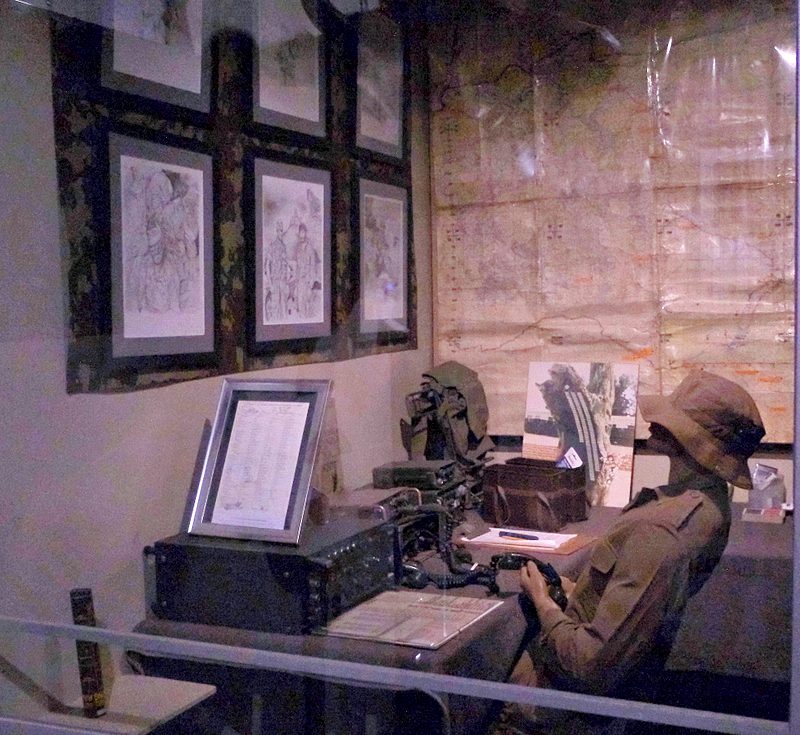
What a comms room at 32 Battalion looked like
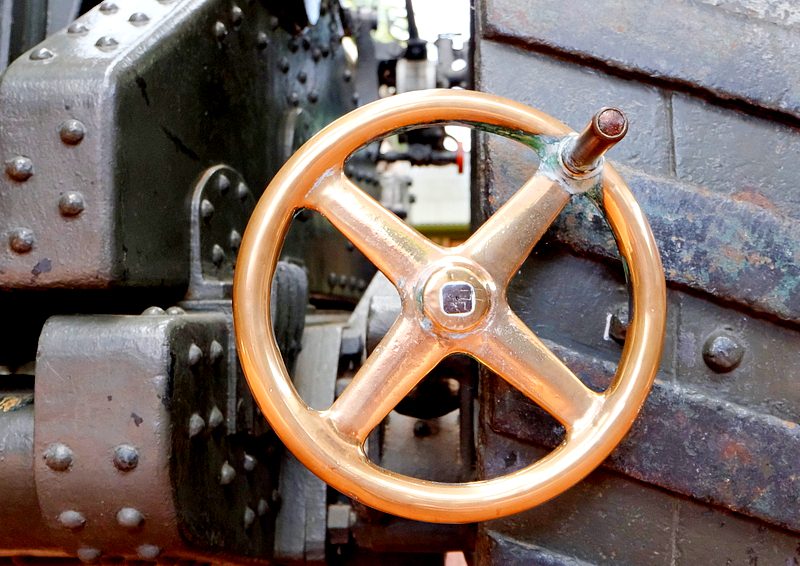
A spin of the wheel could have changed many lives.
Seeing that modern missiles are controlled by GPS and other electronic wizardry, I wonder how quickly the soldiers manning these guns were able to get the ordnance to land on a specific target.
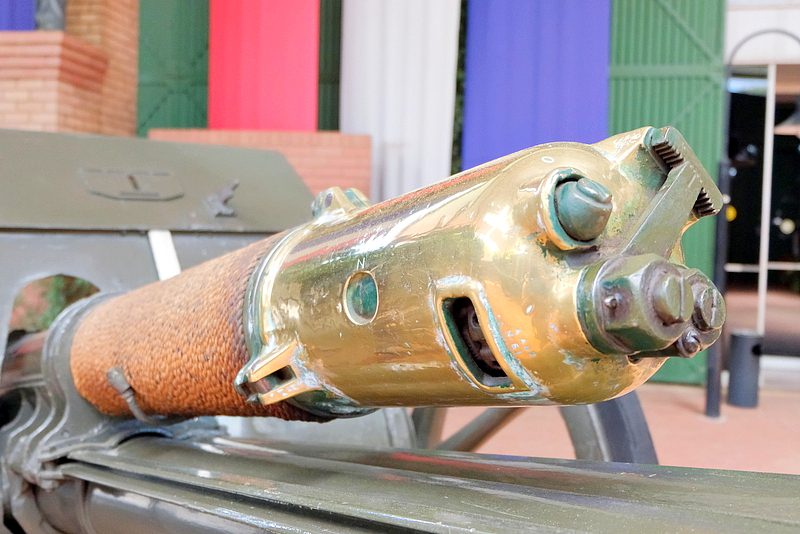
Brass and rope.
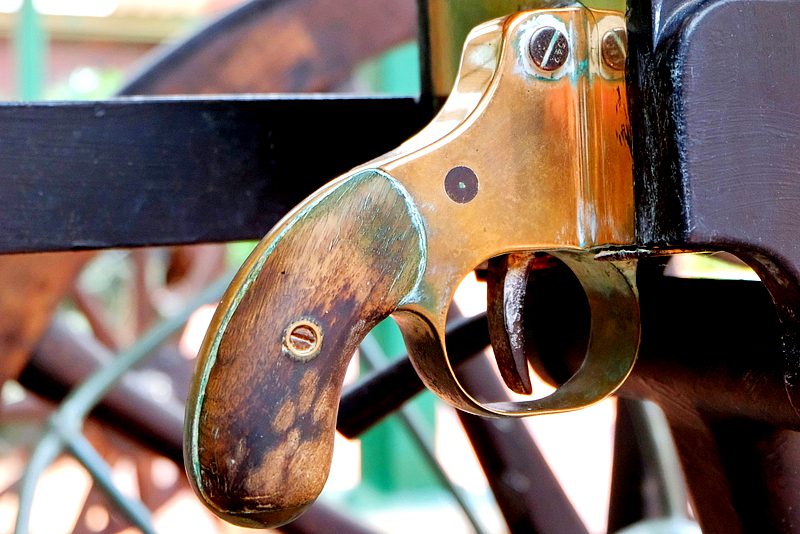
How many hands held the pistol grip of this machine gun?
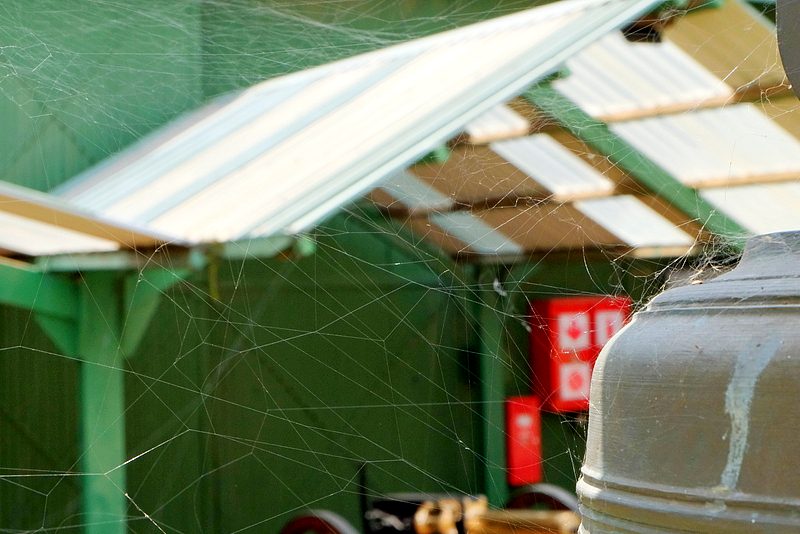
This spider web links the past to the present.
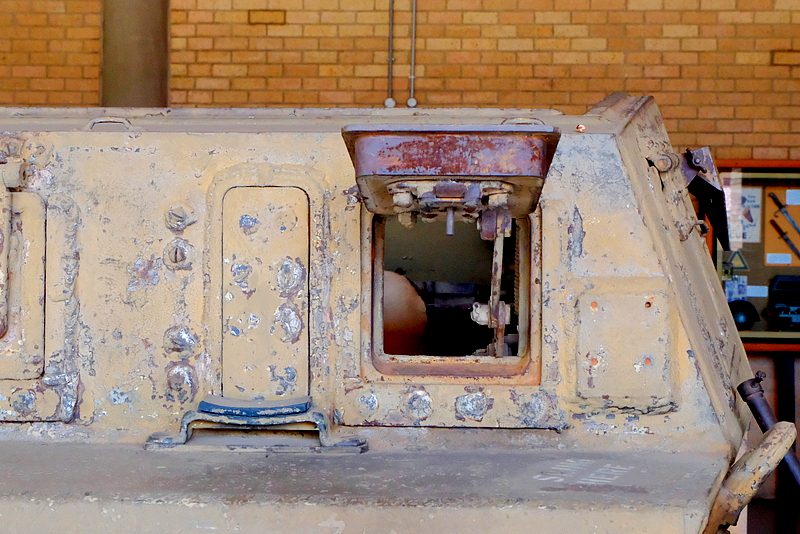
A vehicle that saw a lot of action.

No AC or other creature comforts in this vehicle. Just the bare minimum. You might notice that most of the instrumentation has been stripped out, so that just the bare essentials remain.
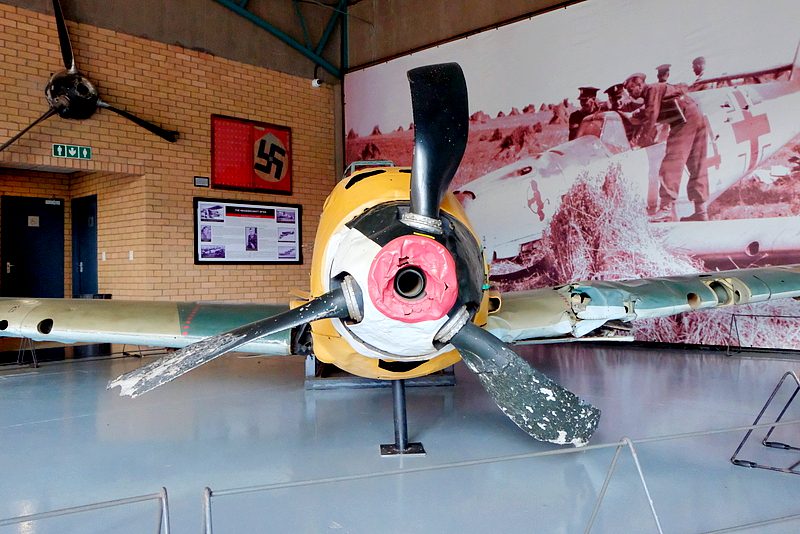
All fall down?
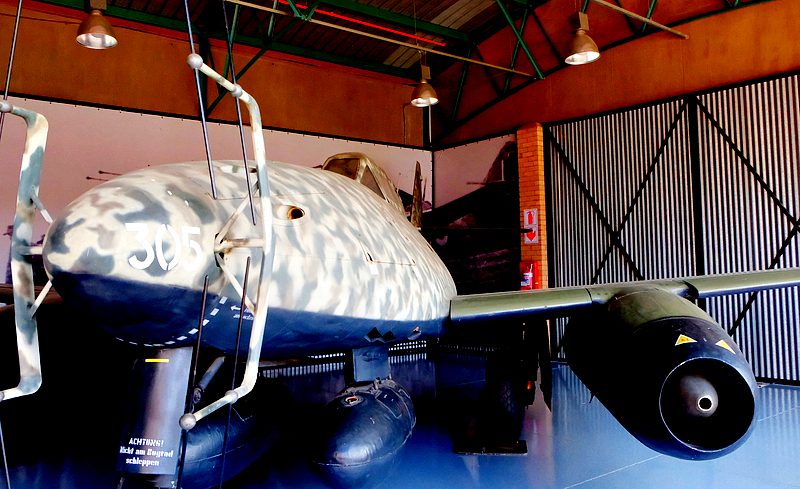
My favourite aircraft of all time. It is even more spectacular than the British Spitfire!
This is the ME262B in night camouflage. One of only 2 left in the world.
So what makes this plane so special? Aside from the fact that this is the ONLY authentic example to survive?
I am glad you asked that question…
A great answer to a pub question?(Source: Wikipedia)
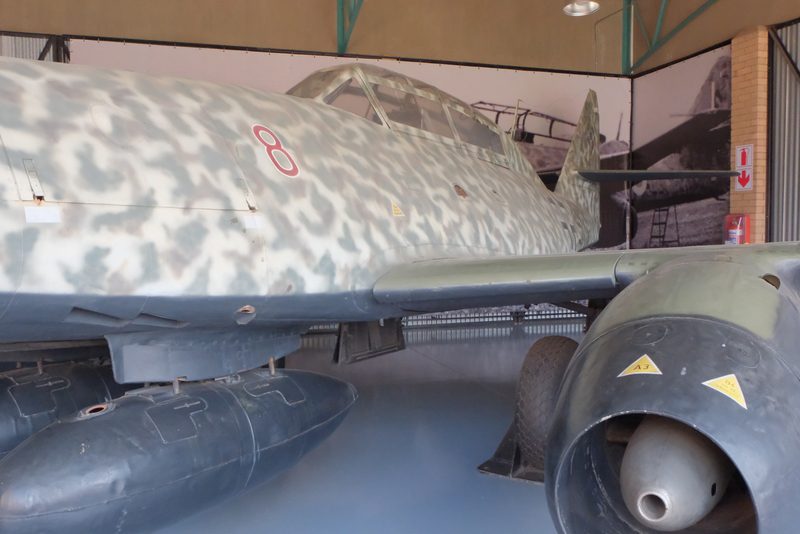
But that is not all!
There is a small detail on the famous Messerschmitt Me 262B1a/U1 “Red 8” that most visitors walk straight past without ever noticing. Yet it tells a remarkable story about the aircraft’s journey at the very end of World War II.
After the war ended in May 1945, the aircraft was captured by the British and flown to England for testing by the Royal Air Force. The RAF assigned it the temporary test serial VH519. Like many captured German aircraft, it was evaluated so engineers could better understand the revolutionary jet technology that Germany had developed.
While being flown for evaluation, the aircraft suffered a landing accident. The pilot managed to bring the jet down safely, but the landing was rough enough to cause damage to parts of the fuselage and undercarriage. The aircraft was repaired well enough to preserve it, but the work was never intended to make the jet airworthy again.
Some panels and sections of the skin show slightly different rivet patterns and repair seams compared with the surrounding metal. These are the quiet scars of its final operational days — the aviation equivalent of stitches after a wound.
After the testing programme ended, the aircraft’s story took an unexpected turn. Instead of remaining in Britain, it was shipped to South Africa in 1947 as part of a collection of captured Axis aircraft that were distributed to museums and institutions around the Commonwealth.
For visitors walking through the museum, it is easy to be overwhelmed by the sleek shape of the jet or the strange radar antennae that once searched the night skies for enemy bombers. But those faint repair scars tell a quieter story.
They remind us that this machine did not simply survive the war as an untouched relic. It lived through its final chaotic days, was flown by new pilots, mishandled, repaired, and eventually preserved.
The aircraft sitting quietly under the museum roof today still carries the marks of its history. Tiny wrinkles in the metal that whisper of a rough post-war landing in England nearly eighty years ago.(Source: Wikipedia)
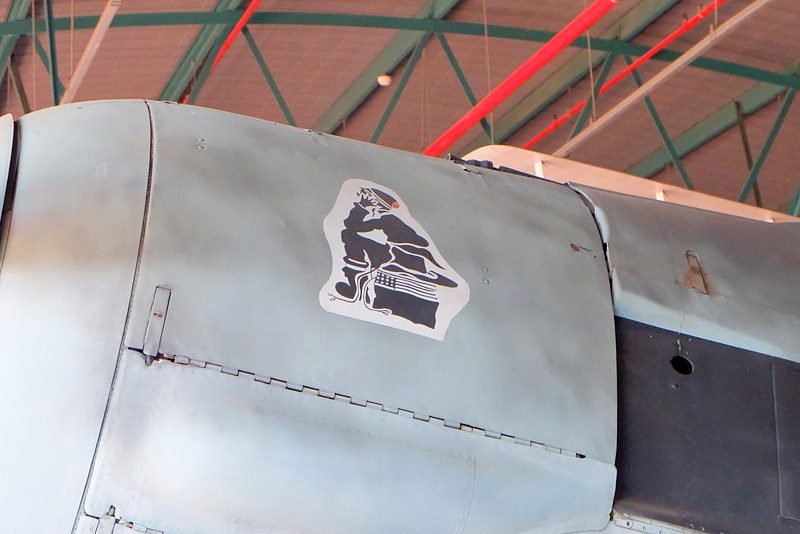
Who was shitting on whom?
These decals on the side of fighter jets of both sides each had their own story to tell.
This was called “nose art” and was prevalent on most fighter planes.
What did it say about the Luftwaffe? Even in the highly regimented Luftwaffe, crews sometimes adopted mascots, symbols, or humorous artwork. It’s rare to see it preserved, as most aircraft lost their personal markings after capture, repainting, or restoration. Seeing one still present in the museum example is unusual.
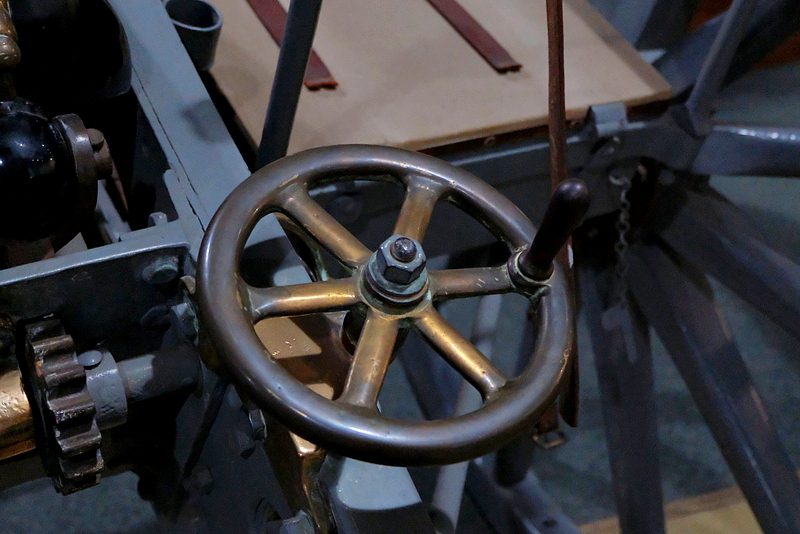
Well-worn. The brass has been rubbed almost completely off this wheel.
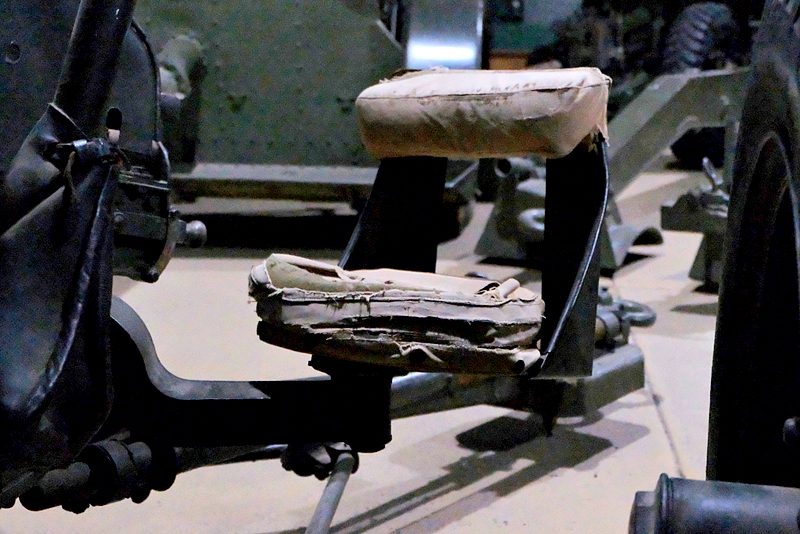
Comfort was not the foremost concern.
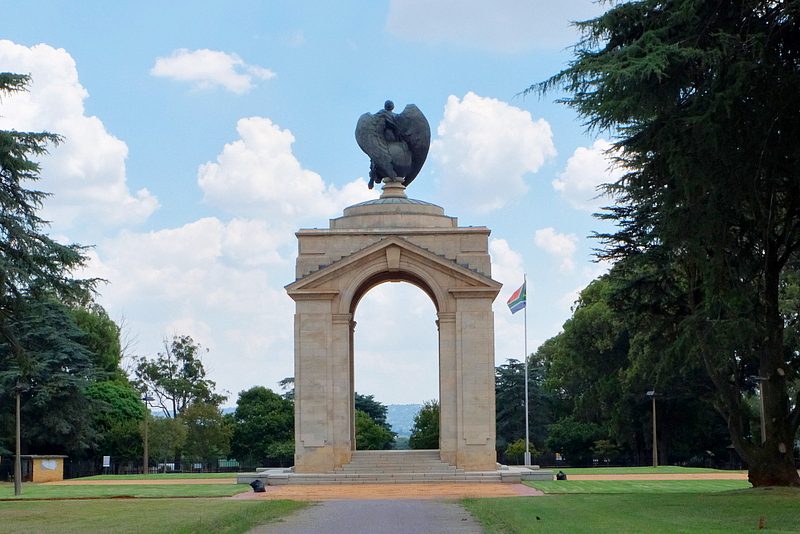
That striking arch and eagle monument is the South African War Memorial, located in Saxonwold, Johannesburg.
The Anglo-Boer War Memorial was originally called the Rand Regiments Memorial and dedicated to the men of the Witwatersrand who joined as British soldiers in the Rand Regiments and who had lost their lives during the Second Boer War (1899–1902). The memorial is now next door to the South African National Museum of Military History.
It was rededicated on 10 October 1999 to all people who died during the Second Boer War and renamed the Anglo-Boer War Memorial.
It commemorates South African soldiers who lost their lives in World War I. The memorial was unveiled in 1924 and stands as a tribute to those who fought and died in campaigns such as Delville Wood in France—one of the most significant and tragic battles involving South African troops.
The design is rich in symbolism. The large bronze sculpture perched on top represents sacrifice, vigilance, and the spirit of those who served. The arch itself echoes classical triumphal arches, traditionally used to honour victory and remembrance, but here it carries a more solemn tone—marking loss as much as courage.
Set within a quiet, leafy park, the memorial invites reflection. It’s not just about military history—it’s about memory, sacrifice, and the enduring cost of war, preserved in a space where the noise of the city fades into something more contemplative.
And our South African flag waves in the wind…(Source: Wikipedia)

Parade time? A flock of Guinea Fowl scuttle across the lawn in front of the Memorial.
A great way to end my visit to the museum.

To find out more about this museum, click on the logo above.

Travel & Things is the proud winner of these prestigious awards from the digital British lifestyle magazine Luxlife.
The awards are in the categories:
Best Travel & Experiences Blog 2024 – South Africa
Best African Game Reserves & Lodges Travel Review Site 2025.
Best African Resorts and Retreats Award 2025.
And the most recent accolade… Most Engaging Travel & Lifestyle Blog 2026.

See who the guests have been since the inception of this YouTube channel.
Click on the logo above.

Looking for something to read? Click on the logo above to visit the Off the Shelf YouTube channel for interesting and up-to-date interviews and book reviews.

“Hard work never killed anybody, but why take a chance?”
Edgar Bergen
All images are the copyright property of

and may not be used without permission.

All images used in Travel & Things posts are edited using Ribbet software. To learn more about the product and what it offers both amateur and professional photographers, click on the logo above.