

















When visiting the Ditsong National Museum of Military History in Johannesburg, the instinct is to photograph the big things. The tanks. The artillery guns. The aircraft suspended dramatically from the ceiling. After all, these machines once shaped the course of history.
But on my recent visit, I found myself drawn to something smaller.
Standing there among the polished brass and worn metal, I began to imagine the stories of two such young soldiers. One British. One German. Both about eighteen years old. Both facing the terrifying possibility of death for the very first time.
However, it is the first time I have tried to focus on how individuals perceived the war that was supposed to end all wars.
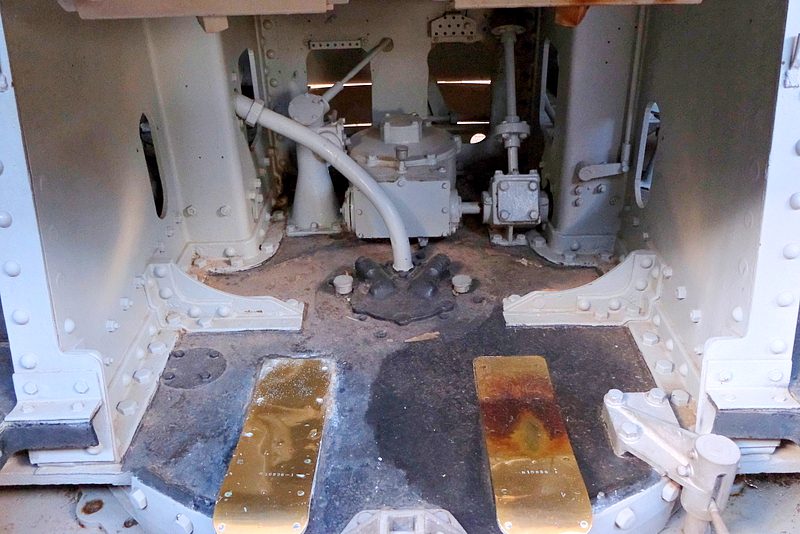
Instead of the grand sweep of steel and weaponry, my camera drifted toward the details — the kind of details that most people might easily overlook. A brass fitting that had clearly been polished countless times until it shone like gold.
Whose feet were placed on these brass plates, and why were they rubbed to a point where they could blind the opposition?

And in the quiet of the museum, surrounded by equipment that once roared across battlefields during World War II, I began to think less about the machinery and more about the young men who operated it. Many of them were barely out of school. Some lied about their age to enlist. For them, the war was a confusing mixture of duty, fear and — in the strange way youth often works — a sense of adventure.
Leaving tracks instead of footprints.
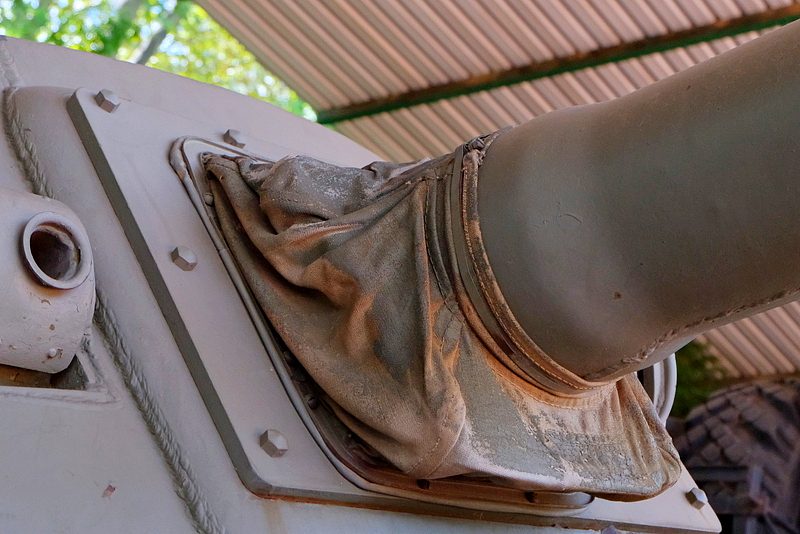
Standing there among the cracked leather and worn metal, I began to imagine the stories of two such young soldiers. One British. One German. Both are eighteen years old. Both are facing the terrifying possibility of death for the very first time.
History often remembers the machines.
But the real stories belong to the boys who sat behind them
Time to roll in the big guns.

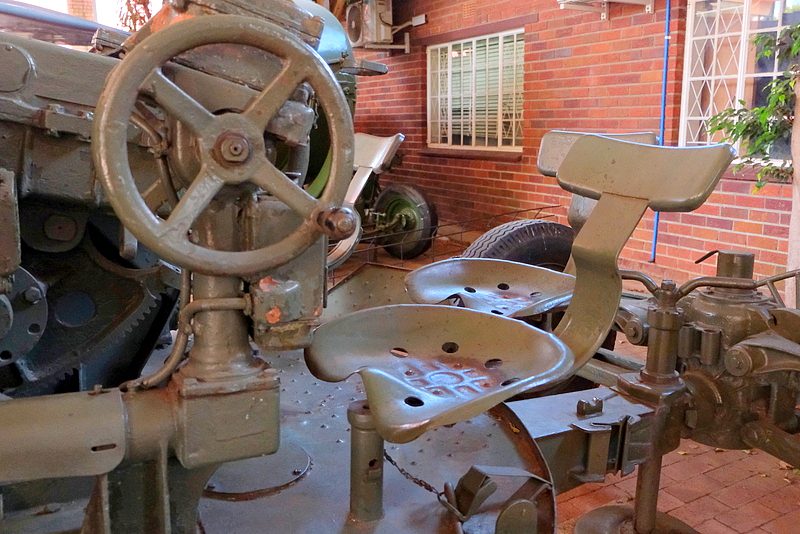
A metal hubcap, with nuts worn smooth by the hands of young soldiers. And perhaps most poignantly of all, the seats with these tanks, their surfaces slightly burnished by the countless bums that had sat there before battle.
Those marks are not made by machines.
They are made by people.
How many times did mechanics remove and replace these nuts?

Put yourself in the boots of a young British serviceman.
History often remembers the machines.
But the real stories belong to the boys who sat behind them.
Standing in the quiet halls of the Ditsong National Museum of Military History in Johannesburg, it is easy to admire the machines. The tanks sit like silent giants, artillery pieces resting patiently as though waiting for orders that will never come. But look closer, and something else begins to reveal itself. The brass fittings gleam as if they were polished yesterday. The steel seats behind the guns carry a faint smoothness — worn down not by time, but by the countless young backsides that once sat there, waiting.
I imagine one of them.
He’s eighteen. Perhaps younger, if truth be told. Somewhere in England, he added a year or two to his age because the war looked like an adventure and because defending one’s country felt like the only decent thing to do. Now he sits inside a tank, the smell of oil and hot metal filling the cramped interior. Outside, the world is louder than anything he has ever known. The engine rattles through his bones and every clank of the tracks makes the steel walls feel both protective and terrifyingly thin.
In moments like this, courage isn’t a trumpet blast. It’s quieter. It’s the tightening of a grip on a control lever. It’s the quick thought of home — of a mother who still thinks he’s too young to shave properly. He knows death exists now, not as a word in a newspaper but as something that could arrive with the next shell. And yet, mixed with the fear is something else — the reckless energy of youth. A strange excitement that he is part of something vast and important.
He straightens himself on that worn metal seat, one more young man among thousands. The polished brass glints beside him, catching a sliver of light.
And the tank rolls forward.
Can you imagine looking at a battle through these slits?
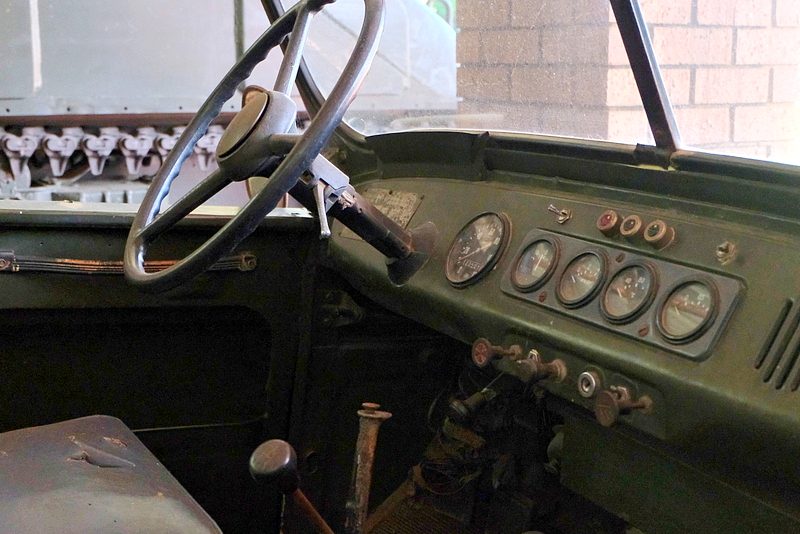
Out in the open, unprotected, interior of a Jeep?

Can you imagine what it was like to see THIS insignia for the first time?
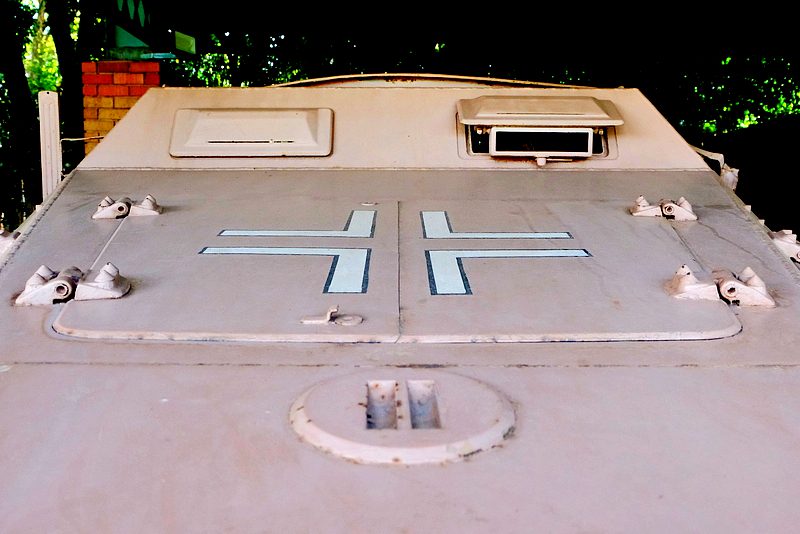
In museums like the Ditsong National Museum of Military History, the weapons stand quietly, stripped of the chaos they once knew. But when you look at them closely — at the worn grips, the polished handles, the seats rubbed smooth by countless uniforms — you begin to sense the presence of the boys who once sat there.
One of them might have been German.
He is eighteen, perhaps only just. The uniform still feels new on his shoulders. The artillery piece before him is massive — all steel angles and mechanical precision. It smells of grease and earth. Somewhere beyond the horizon, the war is waiting.
He lowers himself onto the gun seat, noticing without quite understanding that others have sat here before him. The metal is smooth in places where years of soldiers have shifted nervously while waiting for orders. His hands rest on the mechanisms as though they belong to him now, though only weeks ago he was still a schoolboy.
Fear arrives quietly.
It creeps in between the long pauses when nothing happens. In those moments, his thoughts wander — to home, to a small kitchen table, to a mother who packed bread into his bag when he left. Yet there is also the restless heartbeat of youth. He had imagined glory, adventure, a chance to prove something to himself and to the world.
Now he understands something different.
War is mostly waiting. Behind guns. Inside machines. With other young men who are trying not to show how afraid they are.
The order comes.
The gun roars, the earth trembles, and the quiet boy on the polished seat becomes part of history — another unseen story hidden in the worn metal of a weapon that now rests silently inside a museum.
How would a German soldier feel, knowing that the enemy is close and that their reason for being on German soil is to kill as many of the enemy as possible.
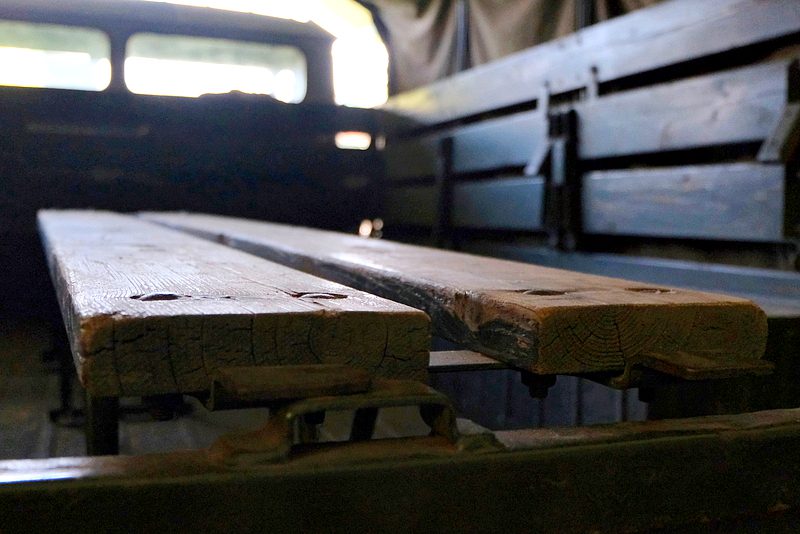
Did YOU do National Service or serve in the armed forces anywhere in the world? If you did, then you would recognise the back of this Bedford and the extremely uncomfortable seating arrangements.

Pointed skywards…
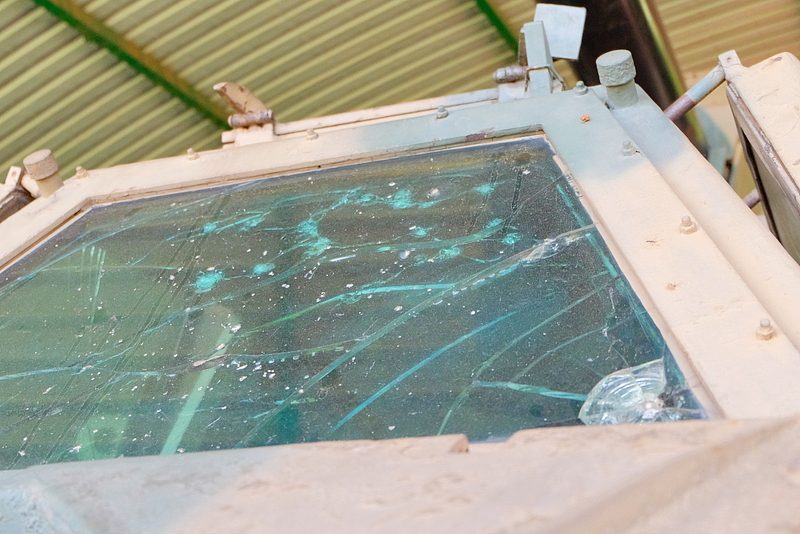
Glass that was designed to protect the occupants, but at the same time leave its mark as a story to be told once the conflagration was done.

This aircraft has recently been overhauled and now stands proudly within the grounds of the museum.

My connection to the museum
Hymie Batzofin
I was rather taken aback seeing our surname on this board dedicated to Jewish servicemen. I immediately made contact with a cousin in Israel who seems to be the keeper of the Batzofin Family Tree.
Turns out that Hymie was his father’s brother. How his family ties into mine, I am still waiting to hear.
This plaque has led to communication between the family and me in both Israel and Canada as we try to piece together my Dad’s branch of the family tree.

My cousin, Saul, was jailed in 1989 for being a Conscientious Objector. I will not use this platform to tell his story as I am uncertain as to how he views the time he spent incarcerated at the prison near Cullinan.(I did reach out to him, but received no response )
That being said, I was in court the day he was sentenced, and I seem to remember the presiding judge (magistrate?) saying that if he could, he would have opted for community service, but that was not an option in the law at the time.
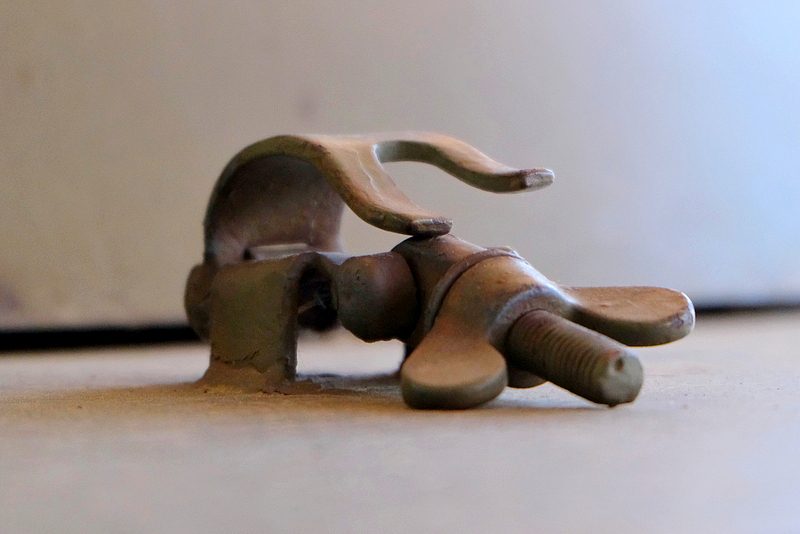
Instead of the grand sweep of steel and weaponry, my camera drifted toward the details — the kind of details that most people might easily overlook. A brass fitting that had clearly been polished countless times until it shone like gold. A metal handle worn smooth by the hands of young soldiers. And perhaps most poignantly of all, the seats behind some of the artillery pieces, their surfaces slightly burnished by the countless bums that had sat there before battle.
Batten down the hatches?
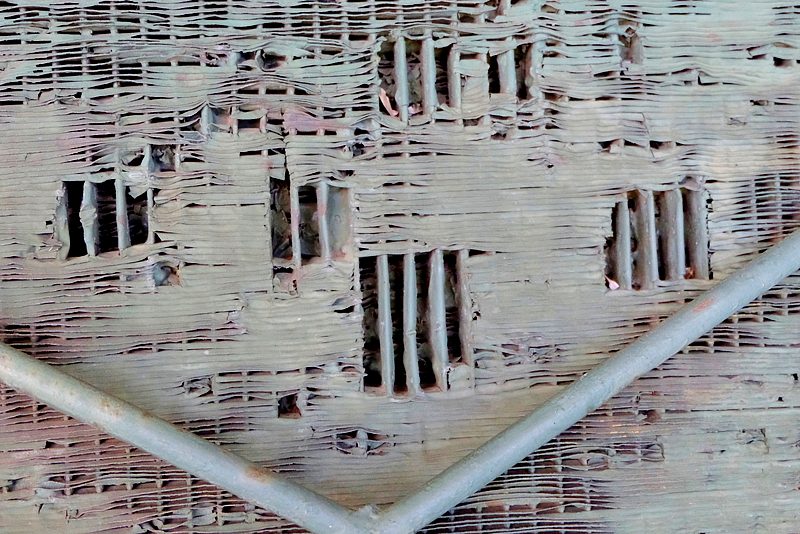
And in the quiet of the museum, surrounded by equipment that once roared across battlefields during World War II, I began to think less about the machinery and more about the young men who operated it. Many of them were barely out of school. Some lied about their age to enlist. For them, the war was a confusing mixture of duty, fear and — in the strange way youth often works — a sense of adventure.
This radiator almost looks like the wall and windows of a prison.

Ox cart wheels? No, the spokes of an artillery weapon long out of commission.
As I walked out of the Ditsong National Museum of Military History in Johannesburg, I realised that the most powerful stories in that museum are not the tanks or the guns themselves. Those machines are impressive, yes — but they are silent now.
What lingers are the traces of the young men who once occupied them.
The polished brass did not shine by accident. Someone cared enough to rub it until it gleamed. The gun seats did not become smooth on their own. They were worn down slowly by nervous soldiers shifting their weight while waiting for orders that might send them into battle.
Each mark tells a quiet story.
And perhaps that is what museums like this truly preserve. Not just the machinery of war, but the human fingerprints left behind by boys who were suddenly asked to become men. Some returned home to tell their stories. Many did not.
The equipment now rests peacefully under museum lights, far removed from the thunder and chaos it once knew. But if you look closely — at the worn edges, the polished handles, the softened metal — you can almost imagine the young soldiers still there, sitting quietly for a moment before history called their names.
Sometimes the smallest details hold the biggest stories.
If you have never been to this Museum, might I suggest that you take the family and make a day excursion of it?
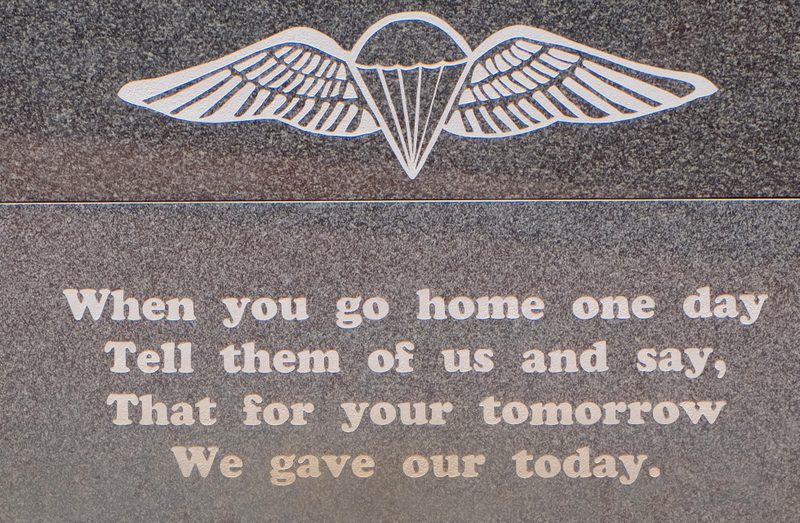
Thank you for your service.

To find out more about the museum, click on the logo above.

Travel & Things is the proud winner of these prestigious awards from the digital British lifestyle magazine Luxlife.
The awards are in the categories:
Best Travel & Experiences Blog 2024 – South Africa
Best African Game Reserves & Lodges Travel Review Site 2025.
Best African Resorts and Retreats Award 2025.
And the most recent accolade… Most Engaging Travel & Lifestyle Blog 2026.

See who the guests have been since the inception of this YouTube channel.
Click on the logo above.

Looking for something to read? Click on the logo above to visit the Off the Shelf YouTube channel for interesting and up-to-date interviews and book reviews.
“Hard work never killed anybody, but why take a chance?”
Edgar Bergen
All images are the copyright property of

and may not be used without permission.

All images used in Travel & Things posts are edited using Ribbet software. To learn more about the product and what it offers both amateur and professional photographers, click on the logo above.