









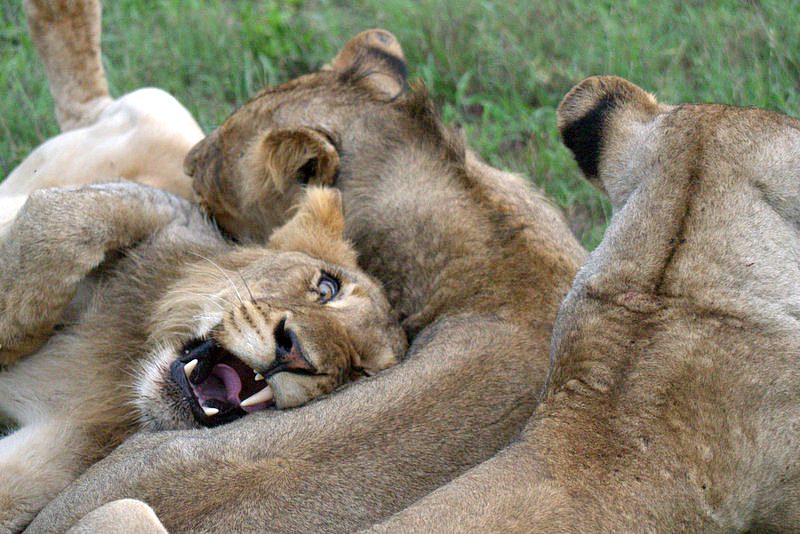
Lions are often described as the most social of the big cats, and nowhere is this more evident than within the intricate, sometimes messy, always fascinating dynamics of a pride. Strip away the roaring clichés and postcard imagery, and what you find is a complex society built on cooperation, negotiation, memory, and power — especially interesting when a dominant male is absent.
And you thought they slept for 20 hours a day, then went in search of food?
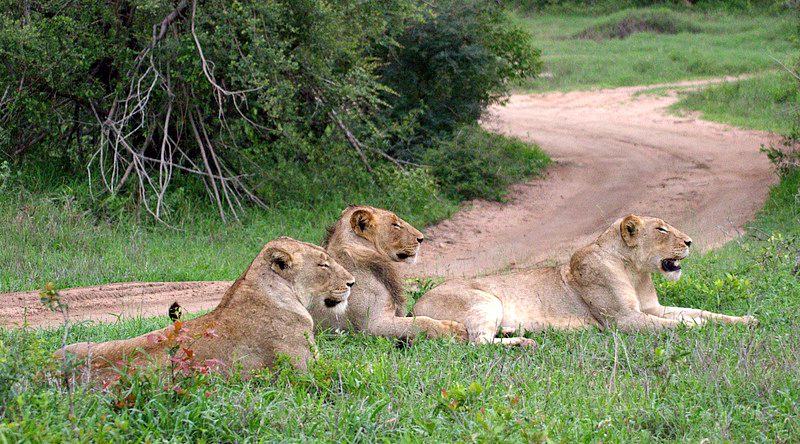
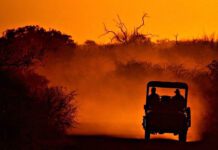
A worthy roadblock.
A pride is not a static thing. It expands, contracts, fractures, and reforms over time. While popular imagination places the male lion at the top of the hierarchy, the truth is that lion society is fundamentally female-driven. Lionesses are the constant. They are usually related — sisters, mothers, daughters, aunts — and it is their long-term bonds that hold the pride together. When a dominant male is not present, it is the lionesses who maintain order, territory, and continuity.
In this instance, I had to take a detour as they were NOT moving.
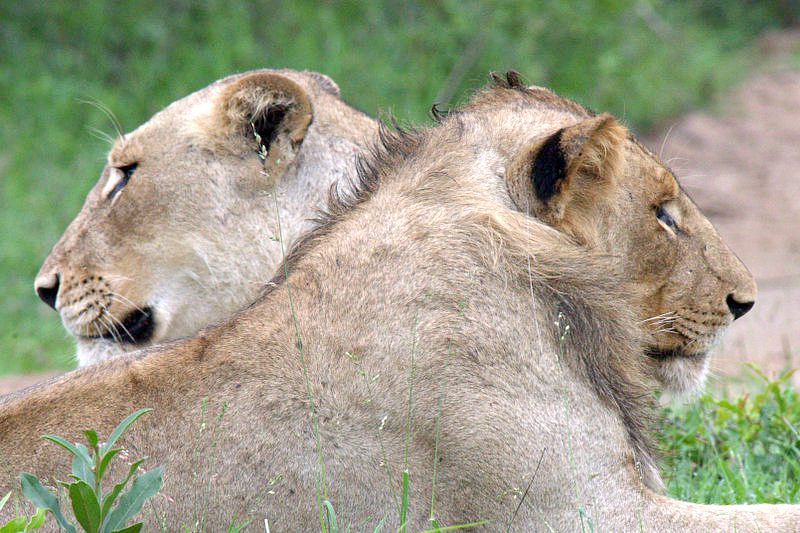
Hunting is the cornerstone of the pride’s survival. Lionesses hunt together not out of affection, but efficiency. Each individual knows her role — flanking, ambushing, driving prey — and success depends on trust built over years. When food is scarce, tensions rise, and rank becomes visible: higher-ranking females feed first, cubs second, and lower-ranking adults wait. Yet even here, outright aggression is rare. The pride’s survival depends on restraint as much as dominance.
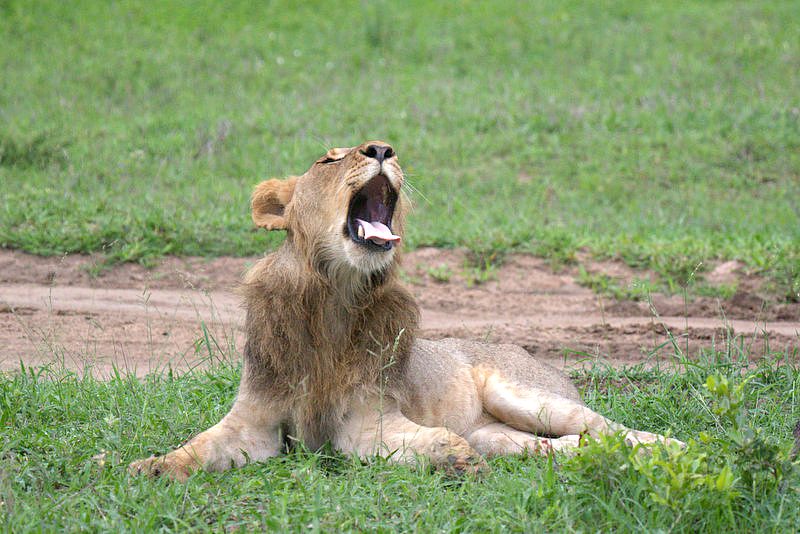
So why, given this nuanced and cooperative social structure, have lions been crowned the “King of the Jungle” — especially when there is no true jungle in Africa?
The answer lies partly in myth, partly in misunderstanding, and partly in symbolism. Early explorers and colonial writers used “jungle” as a catch-all term for wild, untamed land. Grasslands, savannahs, scrub, and woodland were all loosely labelled as jungle in the European imagination.
The lion, already a symbol of power in heraldry and religion, was easily transplanted into this imagined wilderness.
And now you know.
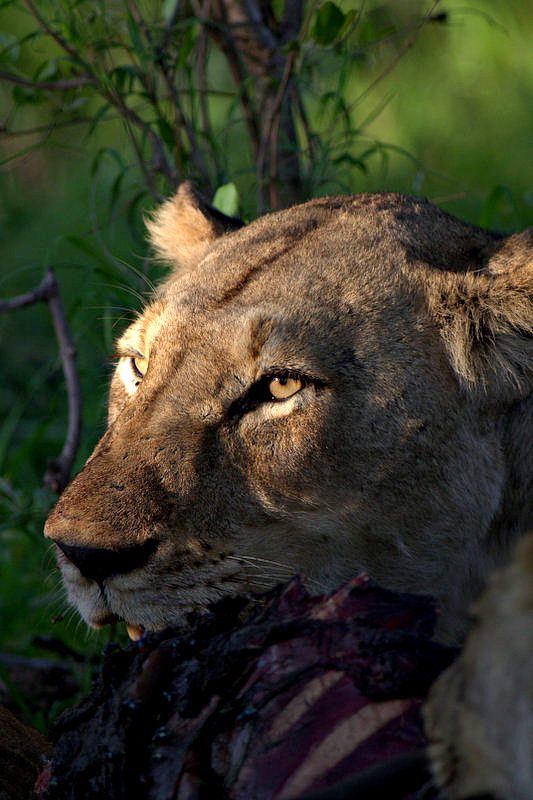
Hierarchy among lionesses is subtle rather than overt. There are no daily battles for supremacy, no loud declarations of rank. Instead, dominance is expressed through priority of access — to food, to resting places, to cubs. Older, more experienced females often lead hunts and initiate movement, not because they enforce authority, but because their judgment has been earned. Younger females fall into step through observation rather than obedience. This quiet leadership is one of the great underappreciated strengths of lion society.
People don’t realise just how big a lioness is until you are right next to one.
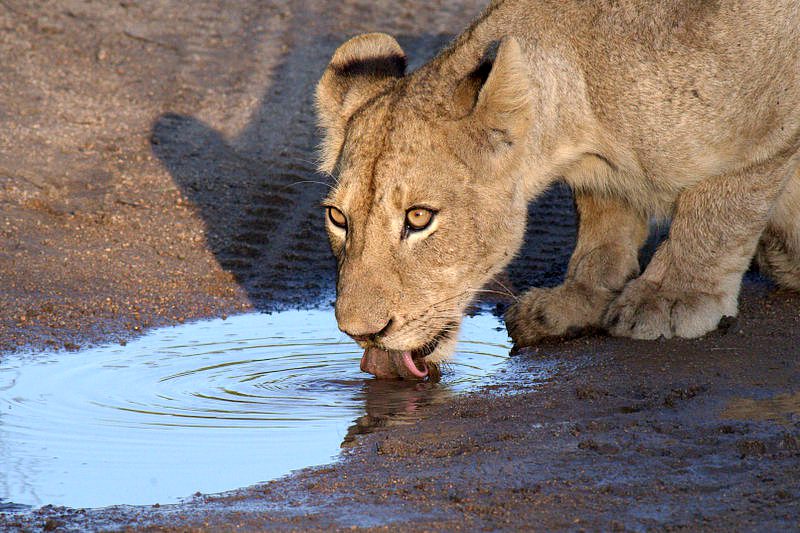
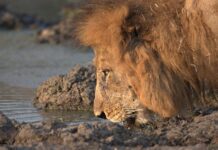
After food, water is a necessity.
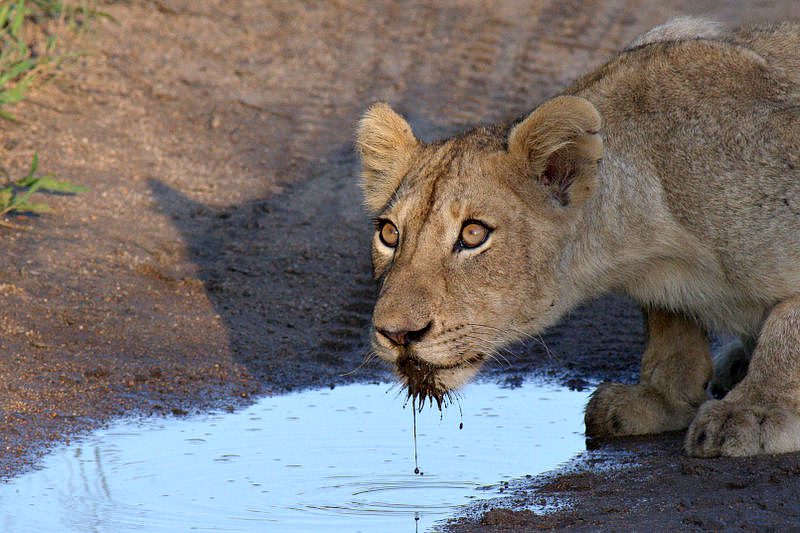
And it can get messy.
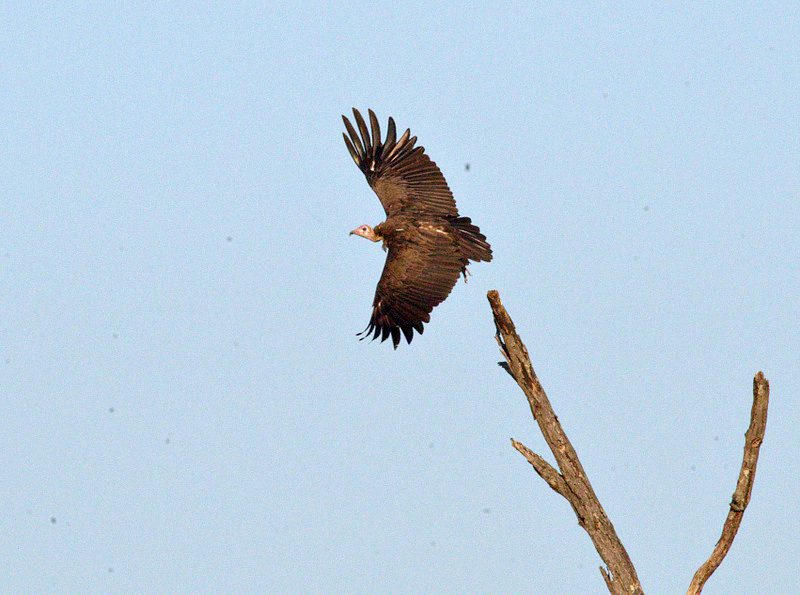
The vultures were circling as there was a relatively fresh zebra carcass close by.
There may be no jungle for them to reign over, but in the open savannah — under vast skies and shifting light — lions have earned their title not through geography, but through presence. They do not dominate the land so much as belong to it completely. And in watching how a pride functions, especially when stripped of its most obvious symbol of power, we begin to understand that true leadership is rarely loud — and never simple.
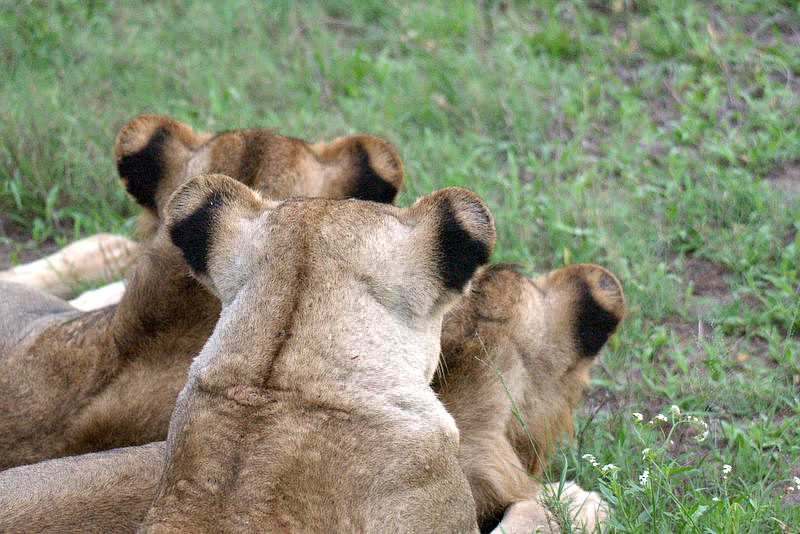
Three sets of eyes are better than one.
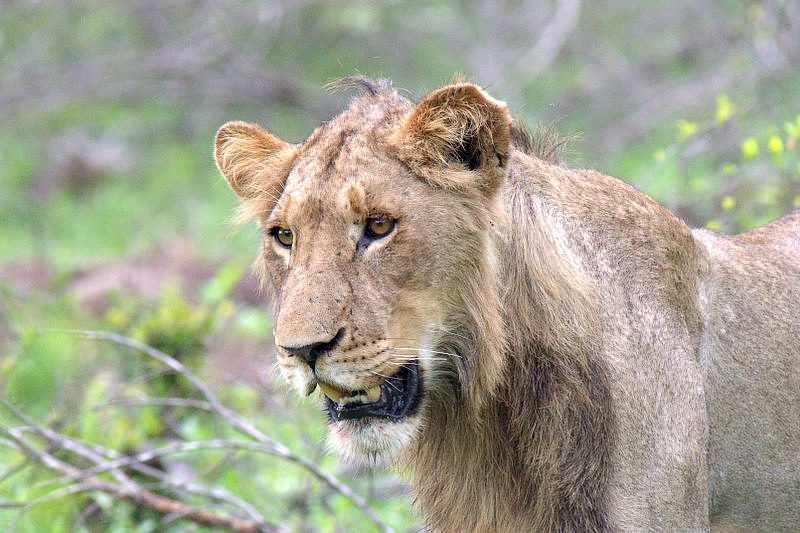
But there is a deeper reason the title stuck. Lions look the part. The male’s mane, unique among big cats, gives an immediate impression of regality and authority. His roar — audible up to eight kilometres away — is less a sound than a statement: this land is taken. Even when a male is not present, that roar echoes in memory, shaping how other animals move through the landscape.
What a big boy you will become.

Yet the true majesty of lions lies not in solitary dominance, but in collective strength. Unlike leopards or cheetahs, lions thrive through social bonds. They raise young communally, defend territory together, and share both risk and reward. Their society mirrors many of our own values: cooperation over isolation, experience over brute force, continuity over chaos.
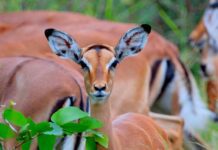
Not a lion, but I could not resist.
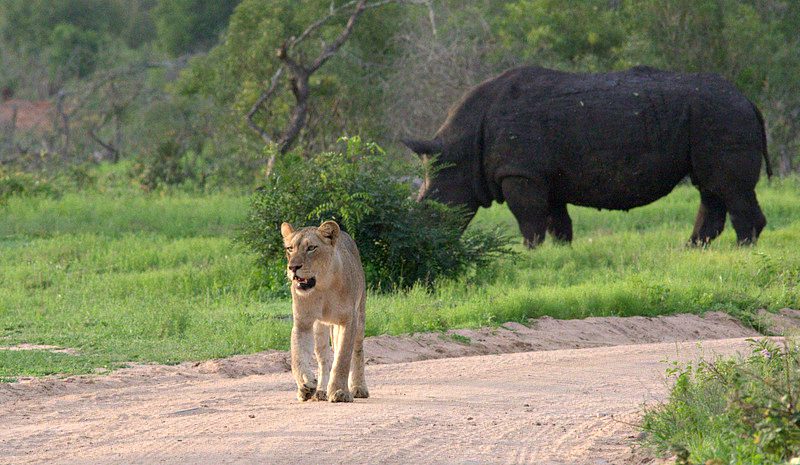
Don’t look now, but you are being followed!

These lion encounters occurred during drives while at this camp.
To find out more about what is on offer, click on the logo above.


Travel & Things is the proud winner of these prestigious awards from the digital British lifestyle magazine Luxlife.
The awards are in the categories:
Best Travel & Experiences Blog 2024 – South Africa
Best African Game Reserves & Lodges Travel Review Site 2025.
Best African Resorts and Retreats Award 2025.

See who the guests have been since the inception of this YouTube channel.
Click on the logo above.

Looking for something to read? Click on the logo above to visit the Off the Shelf YouTube channel for interesting and up-to-date interviews and book reviews.

“Hard work never killed anybody, but why take a chance?”
Edgar Bergen
All images are the copyright property of

and may not be used without permission.

All images used in Travel & Things posts are edited using Ribbet software. To learn more about the product and what it offers both amateur and professional photographers, click on the logo above.