



A tour that will have you jumping for joy.
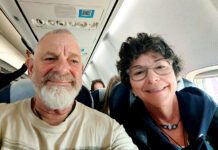
I was so excited to be on this tour, a 73rd birthday present from my wife that we both got to enjoy.
I wanted to publish my overall experience before breaking it down day by day. Let me say that I can wholeheartedly recommend this tour and the company that organised it.
After a coach tour in Europe, I was heard to say that I would never do one again, but I have recanted.
An option was to do a convoy tour (and I have done 2 of those), which did not allow me the opportunity to either take photographs or to actually enjoy the holiday/tour that I was on.
However, in this instance, I was able to do BOTH, hence my change of heart.
What dawned on the final day in the Park was that this is my first coach tour into a game reserve since my 13th birthday in 1966!
That trip was a present from my parents, and it was to set the precedent for all of my subsequent travel experiences.
SOMETHING TO CROW ABOUT…
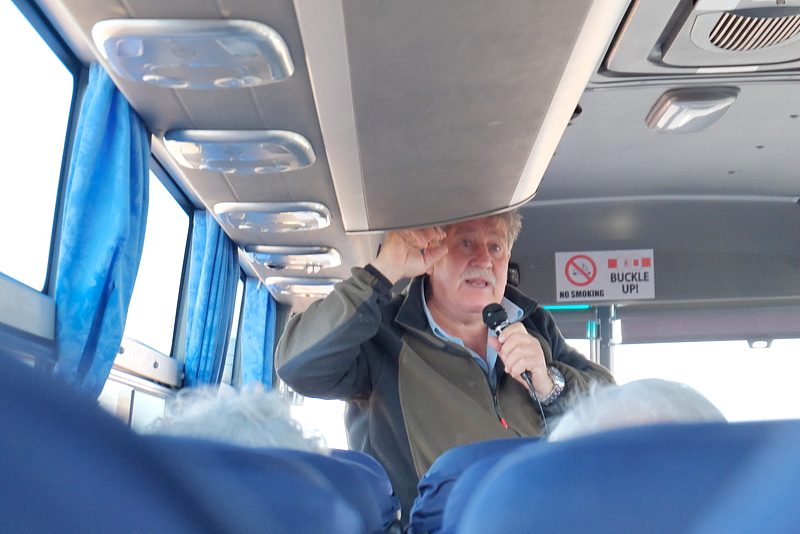
You can’t keep a good man down.
Michael Hauptfleisch, our tour guide for the duration of our trip, kept us informed, entertained and educated.
I have populated this post with my images from the trip, with plenty more in store for the upcoming Blog posts.
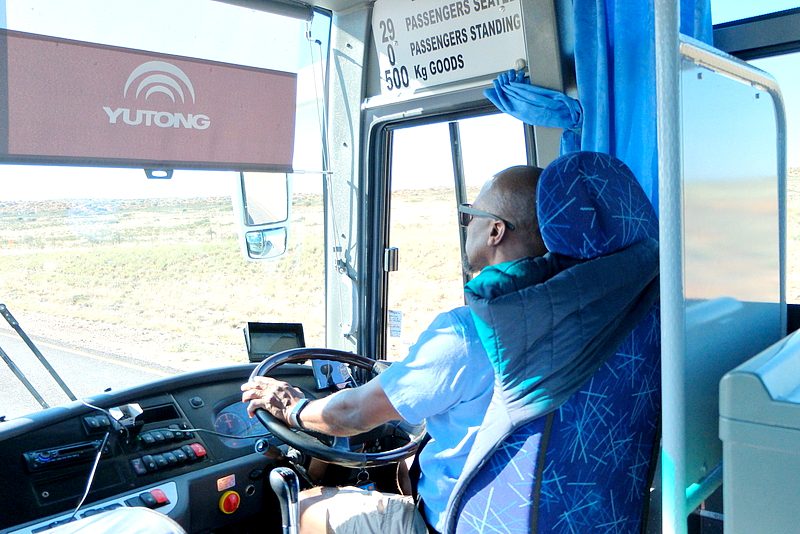

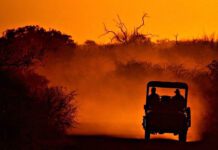
The vehicle we were on during the tour was a Y8 29-seater sourced, together with driver Bennett, from Paarl Rock Tours.
The windows open, allowing me to use my 150-600mm lens without hitting someone on the back of the head.
There were only 16 participants on this adventure, meaning that there was more than enough space for us all.
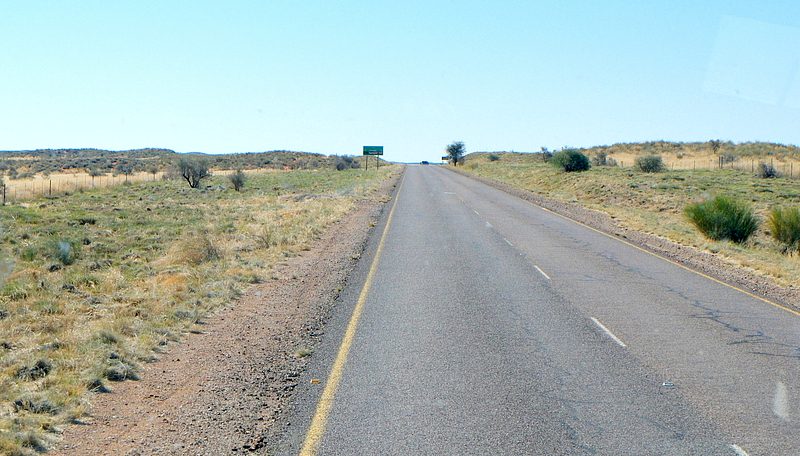
To misquote the Beatles: The long and NOT winding road…
I believe that I speak for the entire group when I say how impressed I was with not only Bennett’s driving skills but also his interpersonal interactions with the tour participants, which were impeccable.
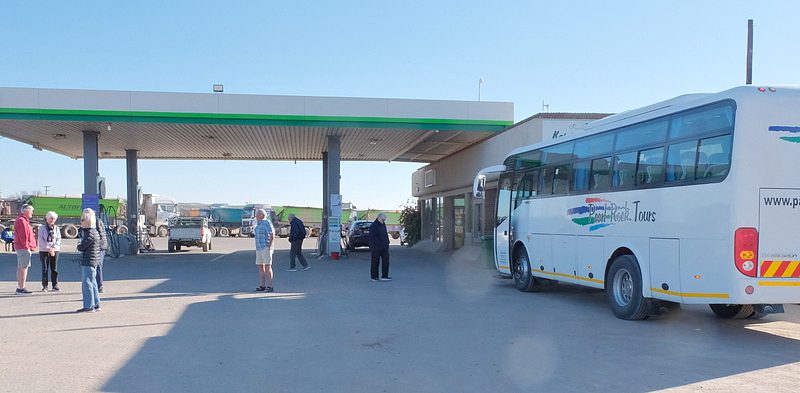
A moment we all looked forward to!
However, a word of advice, if I may.
Carry the following South African coins with you: R1.00, R2.00 and R5.00
At least 1 of the toilet stops cost R5.00
One was R3.00, believe it or not. You had to put in R2.00 followed by a R1.00 coin.
You would have thought that the better option would have been either R4.00 or R2.00
For the rest, they were almost all R2.00 and some of the toilets at the larger Ultra-type stops were even FREE.
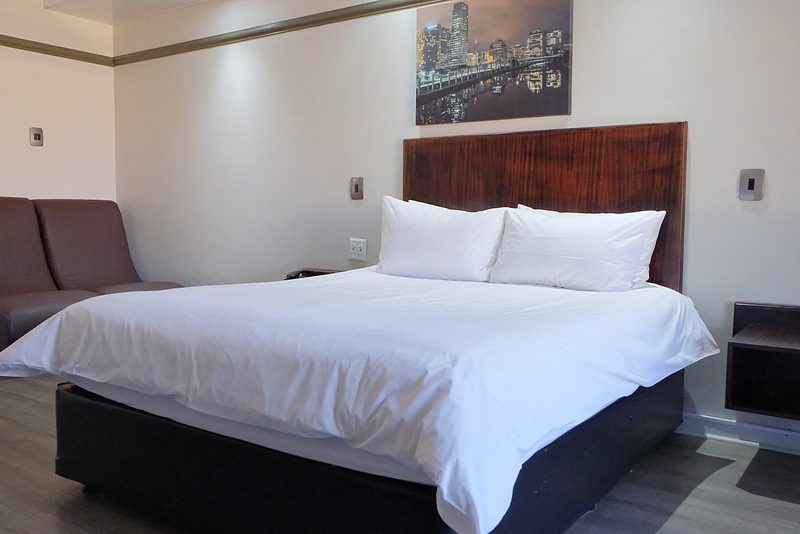
First, let me mention the accommodation…
DAY 1
Protea Hotel Klerksdorp.
I suppose one can get excited about a stop in Klerksdorp. I stayed there decades ago, and all we hope for is a hot meal and a comfortable bed!
And we had both, so no real complaints.

DAY 2
Protea Hotel Kimberly
From Klerksdorp, we travelled via Stilfontein & Christiana to Kimberley.
It is the capital city of South Africa’s Northern Cape Province. It’s known for its 19th-century diamond mines, like the deep, hand-dug Big Hole.
Breakfast was not what I expected from a hotel of this standard. Maltabela porridge that was as thin as dishwater and tasted about the same.
And scrambled eggs with mayonnaise! Really, I hear you ask? Yes, really…
But the complaint is levelled at the hotel and NOT the GoTrip organisers.
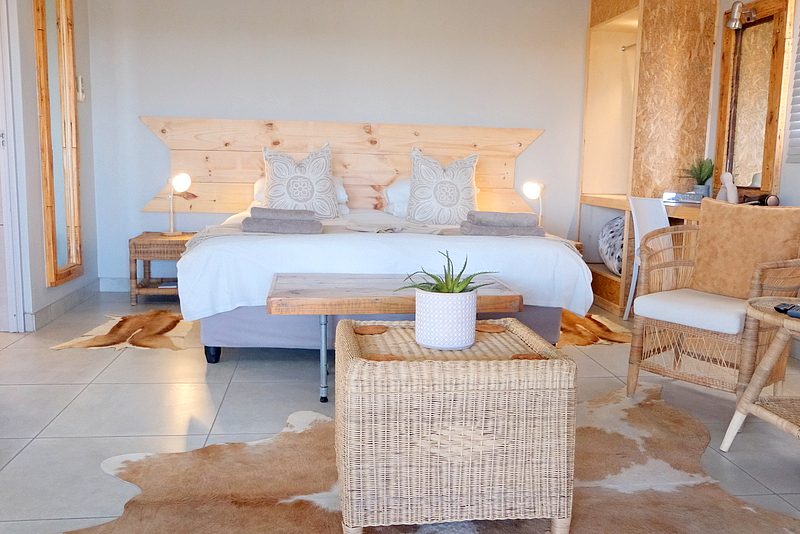
DAY 3,4,5
We travel to Kgalagadi Transfrontier Park and stay at the Kgalagadi Lifestyle Lodge for three consecutive nights. The lodge is situated a mere 5km from the Two Rivers gate.
This was the highlight of the tour for me, and the backstory to this lodge will pluck at your heartstrings.
This accommodation will be featured in a series of upcoming blog posts that I will be publishing.
If I were to suggest a new tour, it would involve the most direct drive to the Park, followed by 5/6 days IN the park, a visit to the Augrabies Falls and then back to Gauteng.
But that is my opinion and does not detract from the scheduled tour that we were on and enjoyed without exception.
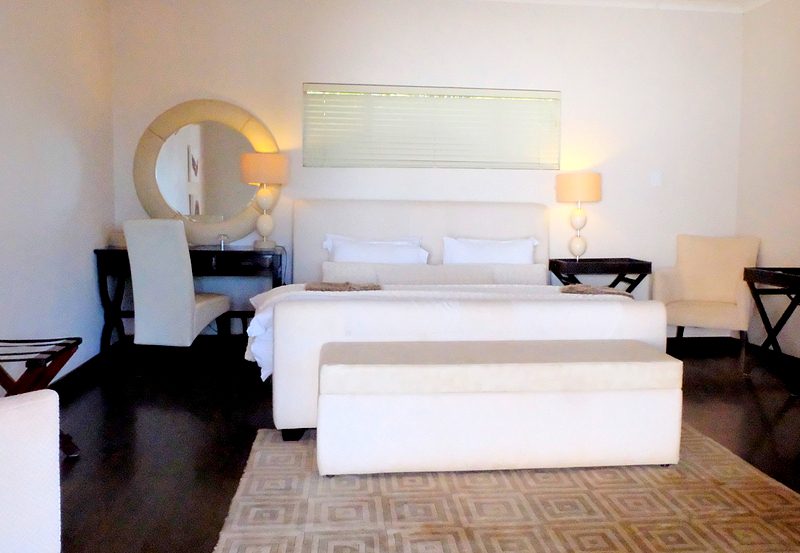
DAY 6
Dundi Lodge, near the Augrabies Falls, where my wife and I had the entire top floor, also known as the Executive Suite.
It comprised a lounge, full bathroom, a balcony that ran the entire length of the accommodation and a HUGE bedroom.
And, if you get offered any choice from the menu, have the lamb shank. I chose another option, and it is the biggest regret of my tour.
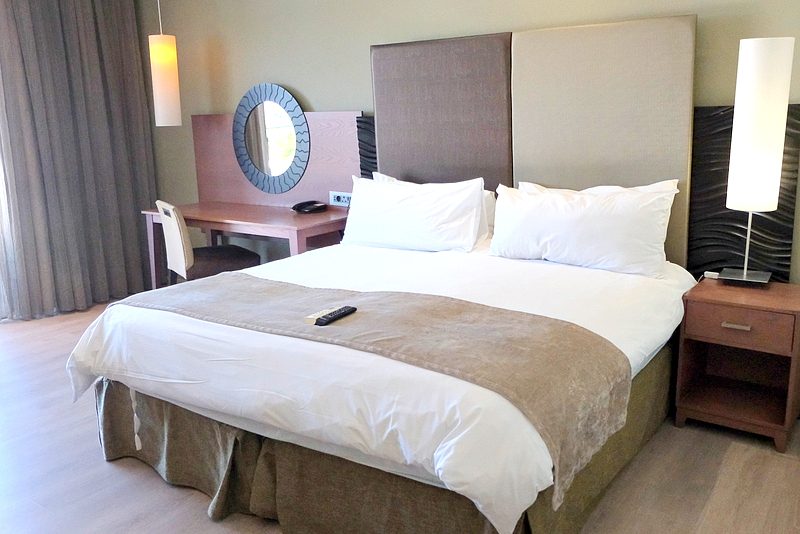
DAY 7
Protea Hotel Upington.
This hotel had probably the best food as far as the Protea hotels were concerned. A delicious dinner followed by a breakfast that was not bettered during our time on the tour.
It turns out that one reason might be the fact that the restaurant is outsourced and did not ‘belong’ to the hotel. (The Kimberley kitchen staff could certainly learn from this team).
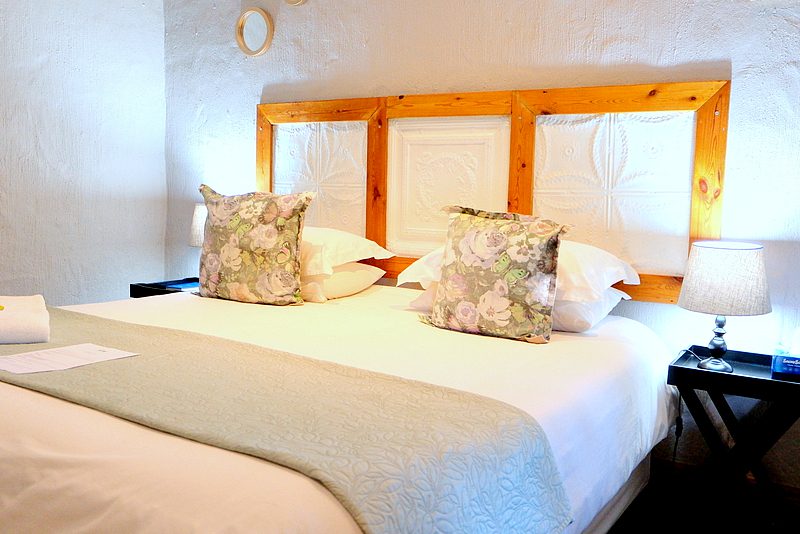
DAY 8
Final night…Monte Bello Estate outside Bloemfontein.
Here, as far as the food went, PACE yourself is the only advice I can offer.
To say that the portion sizes in this part of South Africa are H.U.G.E is an understatement.
In most of the hotels, especially in Klerksdorp, Kgalagadi Lodge and at Monte Bello Estate, their single portions could feed two, if not three, people.
When I enquired about this from restaurant staff, the stock answer was “Our guests EXPECT large portions”!
I have to disagree; their portions were not large; they were enormous on steroids!
And you had better like meat. This is not the province for vegetarians or vegans.
That said, GoTrip will try to make certain that participants’ dietary requirements are met.
But in the Northern Cape, chicken is actually seen as a vegetable!
Go figure.
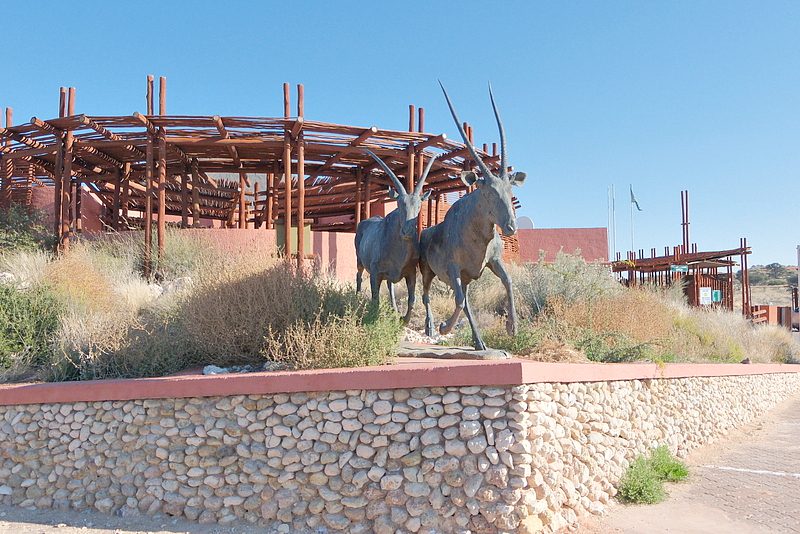
Entrance to the Kgalagadi Transfrontier Park. (as seen from inside the Twee Rivers gate)
A friend of mine who visits the area regularly shared this piece of advice…
Don’t rush it. The Kgalagadi rewards those who slow down, stop often, and let the desert reveal itself. It’s a park where the next memorable sighting might be a lion… or simply a lone gemsbok silhouetted against a blood-red dune beneath an endless African sky.For me, as a wildlife photographer, this is where the adventure began.
The park comprises an area of over 3,6 million hectares – one of the very few conservation areas of this magnitude left in the world.
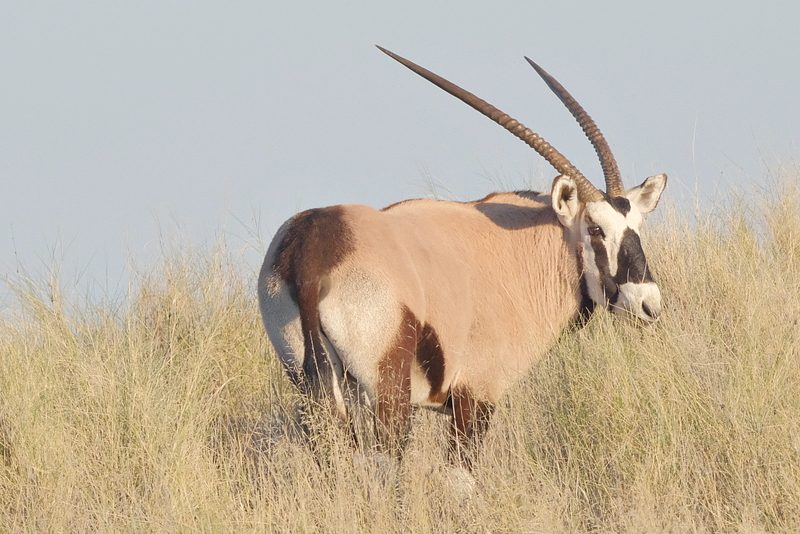
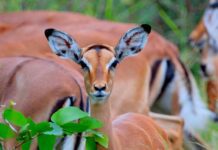
Some interesting facts about the Gemsbok.
If the fashion industry ever decided to design an antelope, it would probably choose the gemsbok. Perfectly tailored black-and-white markings, impossibly long horns and a permanent expression that says, “Yes, I know I look magnificent.” The lions agree—but they also know it’s best to approach that fashion model with extreme caution!
They can weigh up to 240 kg, yet it can leap gracefully over obstacles and run at speeds of around 60 km/h. Not bad for an antelope that looks as though it’s wearing a formal suit.
Both males and females have horns, often exceeding one metre in length. Females usually have slightly longer, thinner horns, while males have thicker, sturdier ones for jousting with rivals.
Gemsbok are perfectly adapted to life in the Kalahari. They can survive for long periods without drinking free-standing water, obtaining much of their moisture from roots, bulbs, melons and other succulent plants.
One of their most remarkable adaptations is a specialised network of blood vessels in their heads that helps cool blood before it reaches the brain. This allows them to tolerate body temperatures that would cause serious problems for many other mammals.
Unlike impalas that seem to leap into the next postcode at the slightest disturbance, gemsbok often stand their ground. Their confidence comes from knowing they carry two very effective spears on their heads.
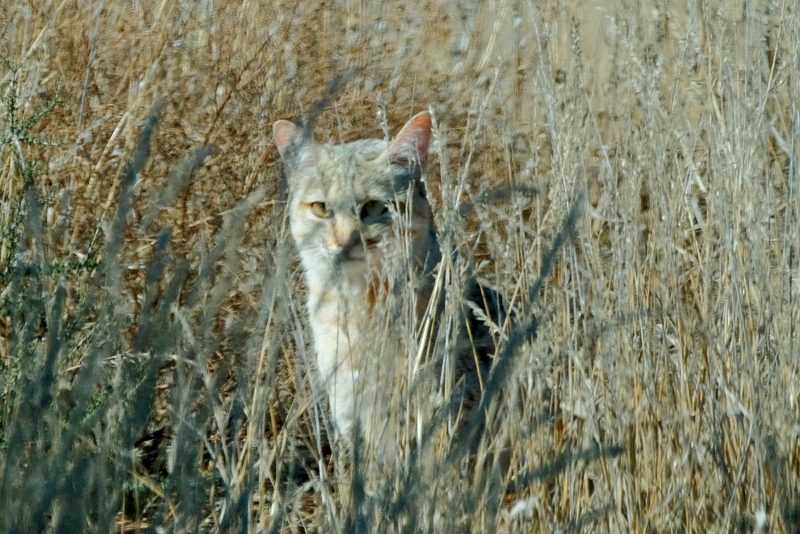
An exciting sighting. An African Wild Cat
After an early breakfast, we entered the park at the Two Rivers gate. We spent the entire day exploring the park, hoping to see lions, which we did not, and antelope in abundance and the ever-elusive leopard. Again, a no-show; however, we did get to see this African Wild Cat while at a Cape Fox sighting. We received a packed lunch from the lodge. Our route for the day took us to Samevloeiing, Leeudril, Kij-Kij and Melkvlei.
We travelled the dune road to Auchterlonie, Gemsbokplein, Kamerboom, Monro and back to the Two Rivers gate.
We returned to the lodge where we enjoyed a sunset drink around the fire before tucking into a wonderful meal at the restaurant.
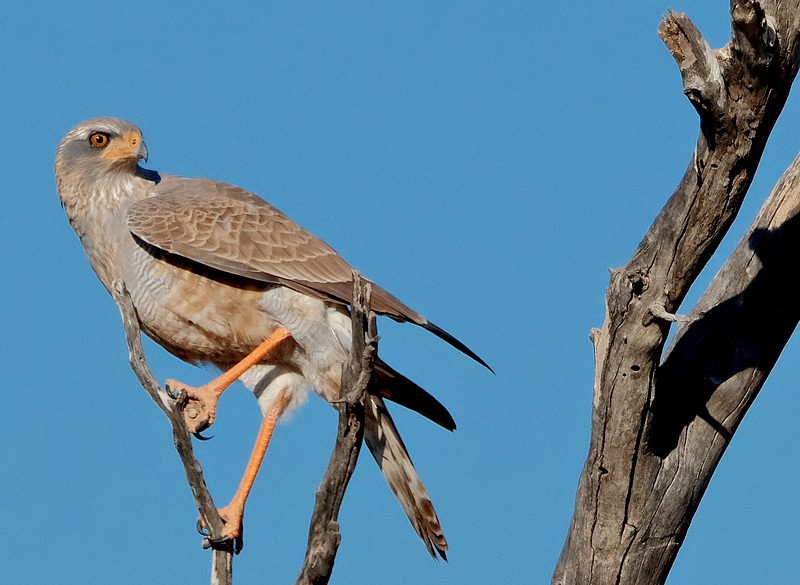
A Pale Chanting Goshawk.
Another exciting day was spent in the park, changing part of our route to ensure a different experience.
Again we enjoyed a packed lunch from the lodge. Our route took us through Two Rivers Gate, Samevloeiing, Monro, Gemsbokplein, Batulem, Montrose, Rooibrak, Kamqua, 13th & 14th Waterhole, and then back to Two Rivers Gate.
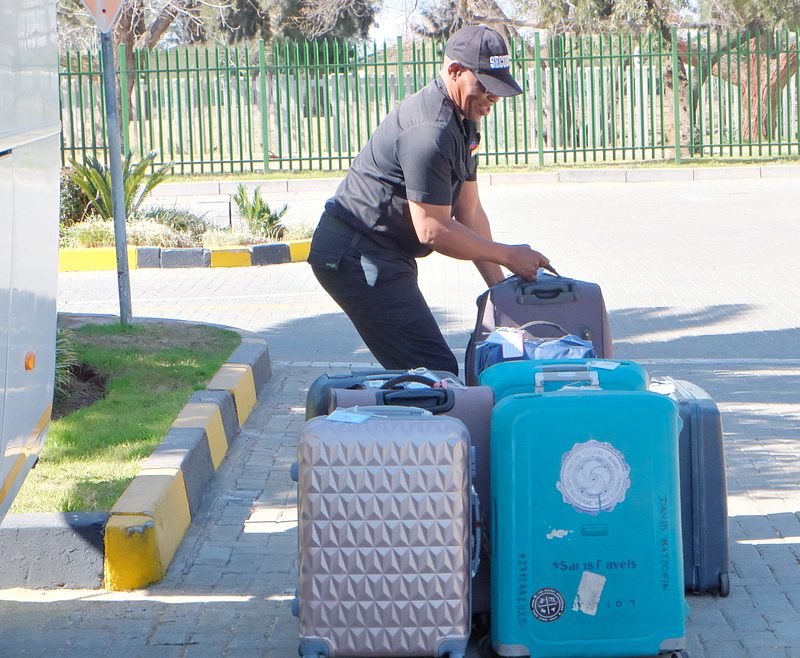
The part of the tour that is often overlooked. All the planning and logistics. Even a task as simple as getting suitcases to the correct room can be stressful if luggage goes missing.
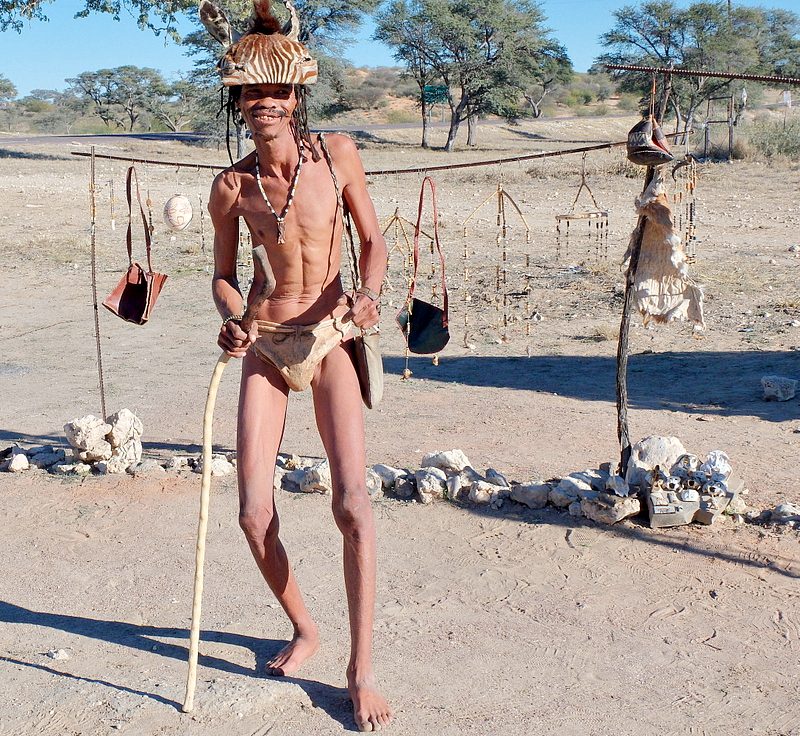
His name is Patat.
Bushman legend has it that once you feel Kalahari sand between your toes, you will always return. The Kgalagadi Transfrontier Park (the epicentre of the Kalahari Desert) is so vast because it comprises the Kalahari Gemsbok National Park in South Africa (proclaimed in 1931) and the Gemsbok National Park in Botswana.
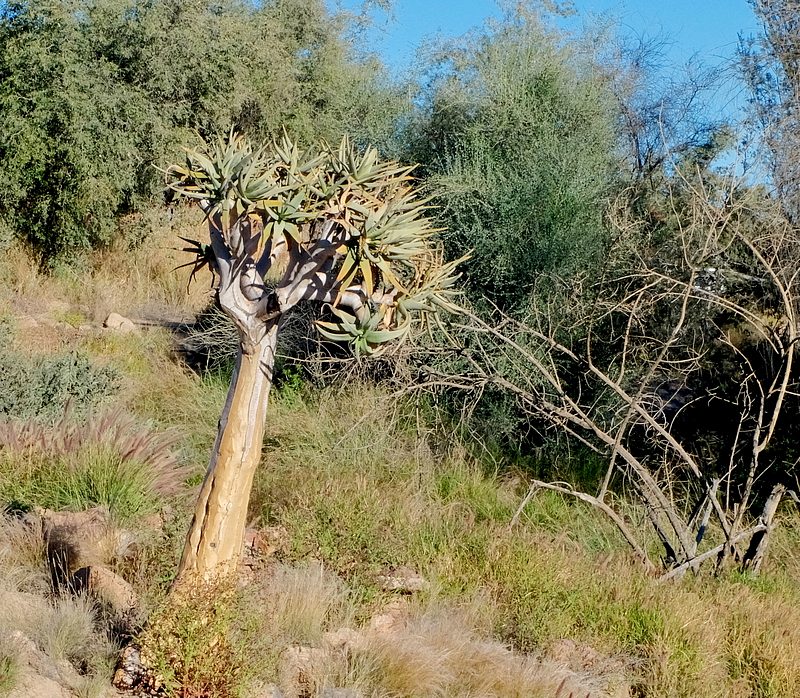
A Quiver Tree.
I’ve always suspected that quiver trees are the philosophers of the Kalahari. They don’t rush anywhere, they can live for well over 200 years, and they seem perfectly content to stand in one spot watching generations of travellers come and go. If trees could talk, I suspect the quiver tree would begin every sentence with, “Now, where shall I start…”
According to one Nama legend, the quiver tree was tasked with guarding the last rays of the setting sun. As daylight faded, the tree would catch the golden light in its smooth, pale branches and store it overnight. That is why, even after sunset, the trunk often seems to glow with a soft golden hue.
The story goes on to say that travellers who rested beneath a quiver tree would receive wisdom from the ancestors, carried on the cool evening breeze. If they listened carefully, the wind rustling through the branches would offer guidance for the journey ahead.
Whether you believe the legend or not, anyone who has stood beneath a quiver tree at dusk can understand how such stories were born.
The more practical story is equally fascinating. The Nama people hollowed out the soft, fibrous branches to make quivers for their arrows, giving rise to the Afrikaans name Kokerboom, meaning “quiver tree.”
The bark’s insulating properties also made these quivers ideal for protecting arrows from the desert’s extreme temperatures.
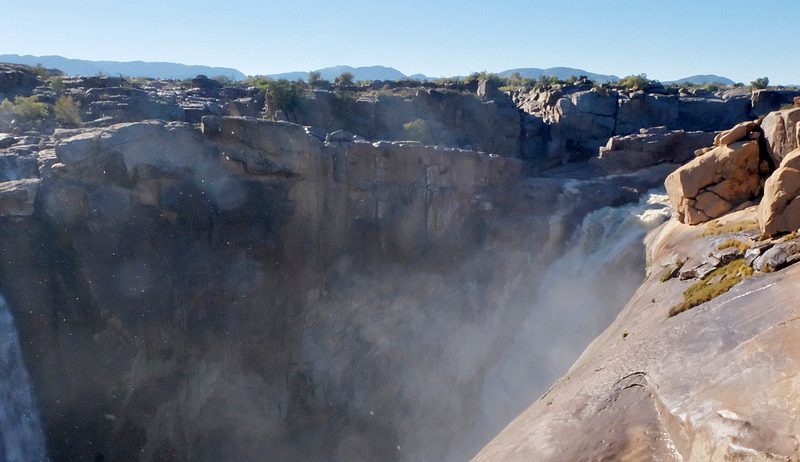
Augrabies Falls
We travelled via Upington to Augrabies Falls, a waterfall on the Orange River, South Africa’s largest river.
Since 1966, the waterfall, set in desolate, rugged terrain, has been enclosed by the Augrabies Falls National Park.
The falls are around 56 m in height. The original Khoikhoi residents named the waterfall “Ankoerebis” — “place of great noise” — from which the Trek Boers, who settled here later on, derived the name “Augrabies”.
The last leader of the area’s native residents was Klaas Pofadder, who lived on an island upstream of the falls, now known as Klaas Island.
The first European to see the falls was the renegade Swedish mercenary Hendrik Jakob Wikar. He arrived at the falls in October 1778, after years-long wanderings in the wilderness.
When the Scottish merchant and explorer George Thompson was guided to the falls by his Koranna guides in 1824 (his account was published in 1827, and some sources mistakenly cite 1826), he was so overwhelmed by the spectacle that he decided to rename the waterfall King George’s Cataract, in honour of King George IV.
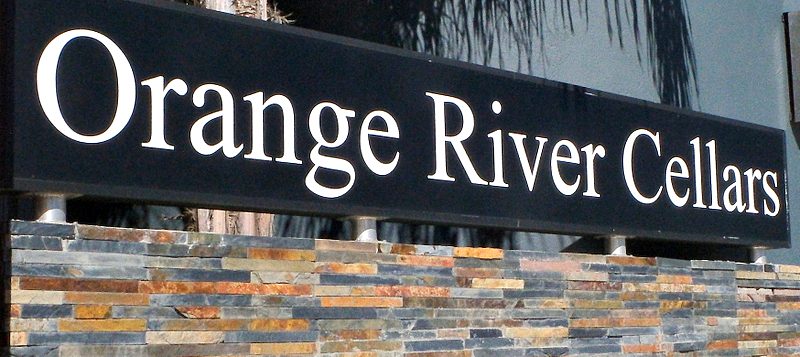
Upington…who would have guessed that this would be found there.
It’s difficult to imagine that some of South Africa’s award-winning wines begin life in a landscape better known for red dunes, quiver trees and scorching summer temperatures. But that’s the magic of the Orange River. It doesn’t just quench the thirst of the people who live here—it breathes life into thousands of hectares of vineyards, proving once again that in the Kalahari, appearances can be delightfully deceptive.
For many years, the Orange River region battled the perception that it could only produce inexpensive, easy-drinking wines. That reputation has changed dramatically. Today, Orange River Cellars produces an impressive range of premium wines, fortified wines, grape juice concentrates and raisins, earning numerous national and international awards along the way. Its Red Muscadel has even been recognised among the world’s top muscat wines, proving that exceptional wines can indeed come from the edge of the Kalahari.
Those members of our tour party who took part in the tasting agreed wholeheartedly.
Upington is a town founded in 1873 and located in the Northern Cape province of South Africa, on the banks of the Orange River. The town was originally called Olijvenhoutsdrift, due to the abundance of olive wood trees in the area, but later renamed after Sir Thomas Upington, Attorney-General and then Prime Minister of the Cape. It originated as a mission station established in 1871 and run by Reverend Christiaan Schröder.

A moment of quiet contemplation on Sakkie se Aarkie on an Orange River sunset cruise
Every town has its landmarks. Paris has the Eiffel Tower, London has Tower Bridge, and Upington has a floating barge called Sakkie se Arkie. It may not be quite as tall as the Eiffel Tower, but I suspect you’ll enjoy the sunset cruise far more. There is something wonderfully therapeutic about gliding along the Orange River with a cool drink in hand while the Kalahari sky slowly changes from blue to orange and finally to a shade that no paint manufacturer has ever quite managed to capture. Sometimes the best way to appreciate a river isn’t from its banks—it’s from right in the middle of it.
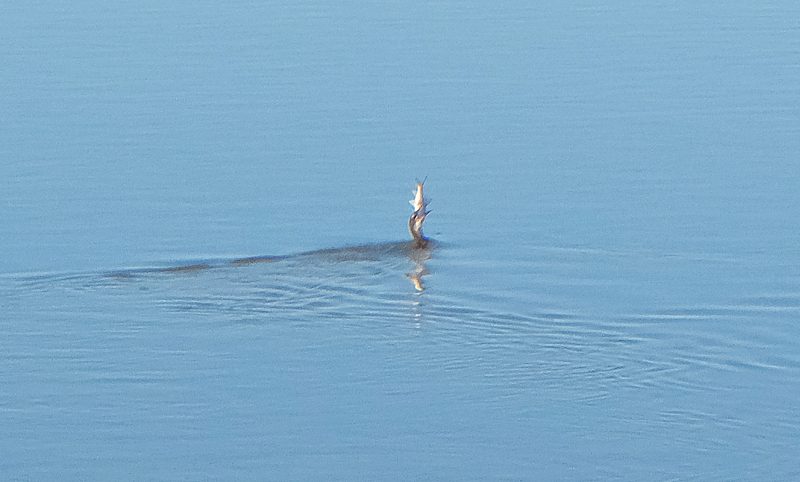
Sakkie se Arkie was established in 1997 by local entrepreneur Sakkie Spangenberg. What began as a simple idea—to share the beauty of the Orange River with visitors—grew into one of Upington’s best-known tourism attractions.
Since its launch, well over 100,000 passengers have enjoyed leisurely cruises on the river, making it one of the Green Kalahari’s signature experiences.
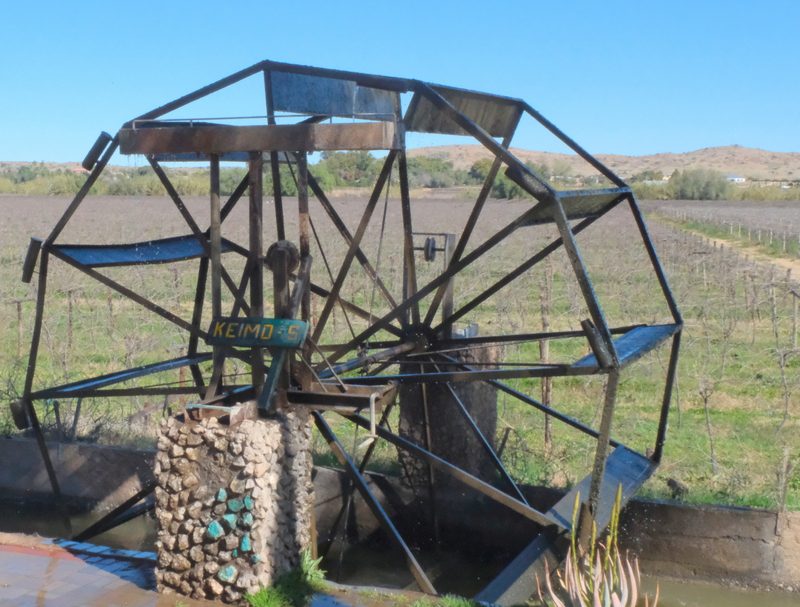
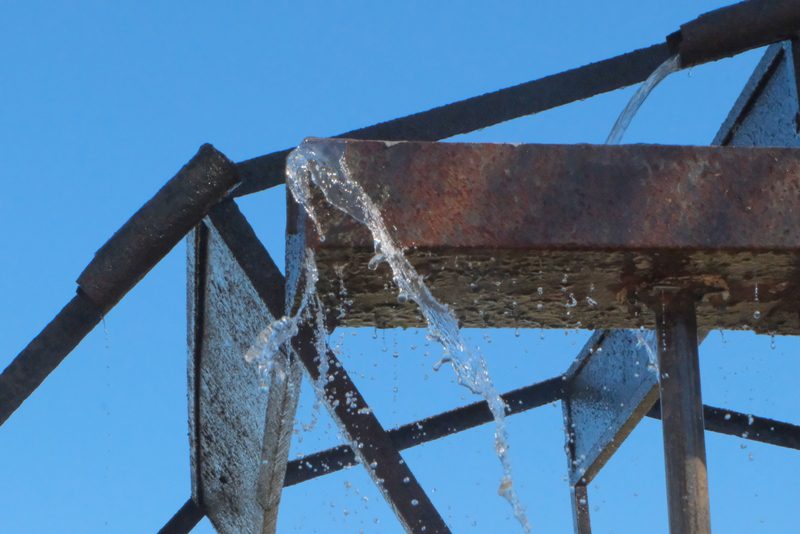
I stood watching the wheel slowly turning and couldn’t help smiling.
In an age of artificial intelligence, smartphones and satellites orbiting the Earth, this century-old machine is still quietly getting on with its job, powered by nothing more complicated than flowing water.
It reminded me that sometimes the best engineering isn’t the newest—it’s the kind that works so well you wonder why anyone thought of changing it in the first place.
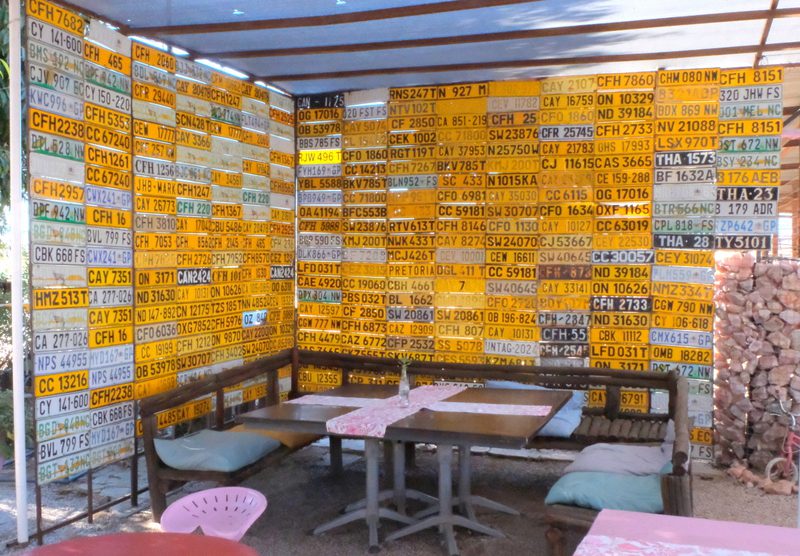
Every road trip should include at least one compulsory padstal stop, and Die Pienk Padstal certainly ticks that box—with a pink marker pen! It’s one of those places where you pop in to stretch your legs and somehow emerge twenty minutes later carrying a bag of dried fruit, a bottle of local wine, homemade jam and something you didn’t even know you needed. It’s colourful, quirky and proudly Northern Cape. Besides, any building that can make grown adults smile before they’ve even parked the car deserves a visit.
As road-trip traditions go, the padstal is a uniquely South African institution. Die Pienk Padstal reminds us that the journey isn’t just about getting from A to B—it’s about the unexpected places in between that become part of the adventure.
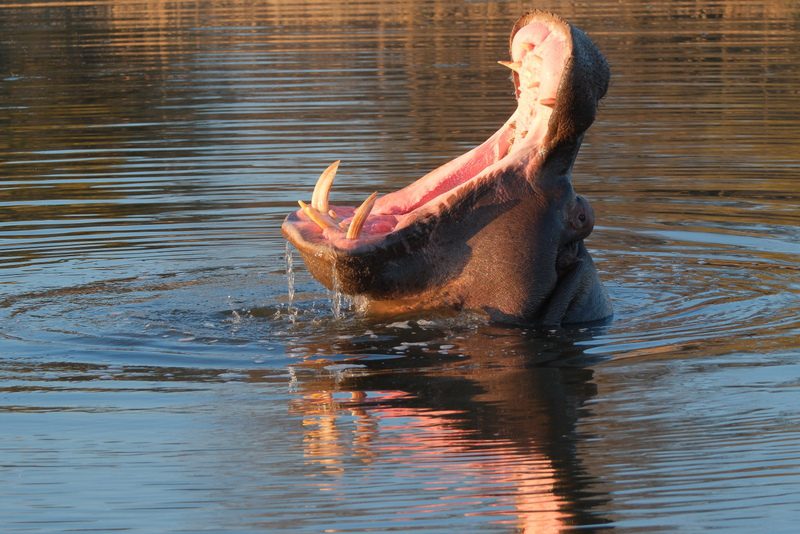
An unexpected addition to our trip… an afternoon game drive at Bona Bona Game Reserve.
The first and last hippo we saw on tour.
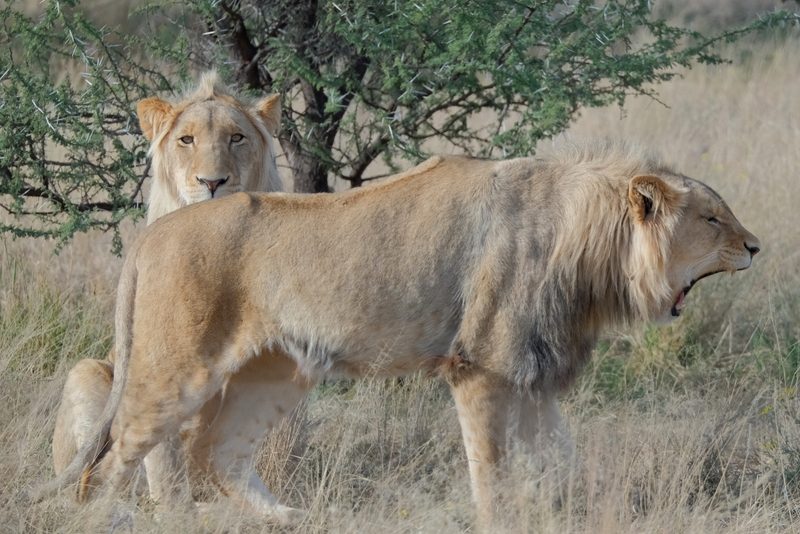
A planned destination, Tarentaalrand Safari Lodge, which is situated on the border of the Free State and Northern Cape provinces, in the malaria- free Kalahari Thornveld of South Africa.
They have some of the most beautiful lions I have ever seen.
This one had often been photographed many times as he was too tired to roar, and so this yawn had to suffice.
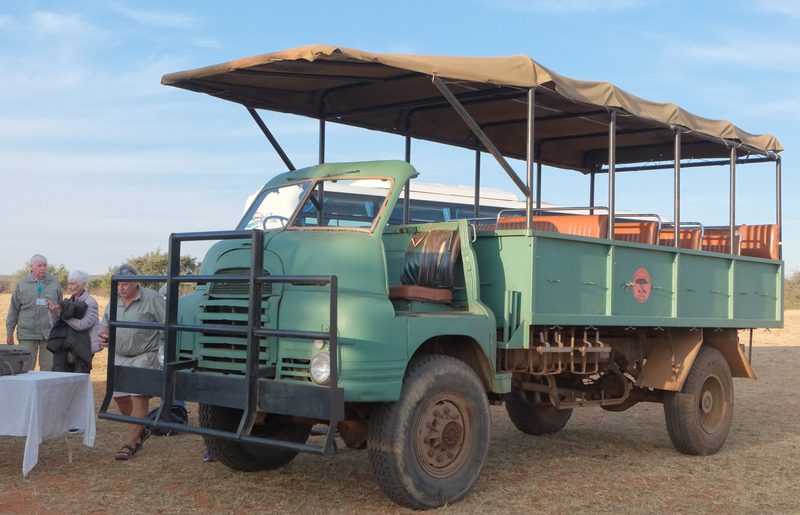
We did a sundowner game drive on one of their vehicles, in this instance a converted Bedford truck.
The last time I rode in a vehicle of this nature was in 1971/72 when I was forced to do National Service.
Only it did not look like this, and we had to learn to deploy from it while it was moving.
When we alighted from this converted version, there were drinks and snacks waiting.
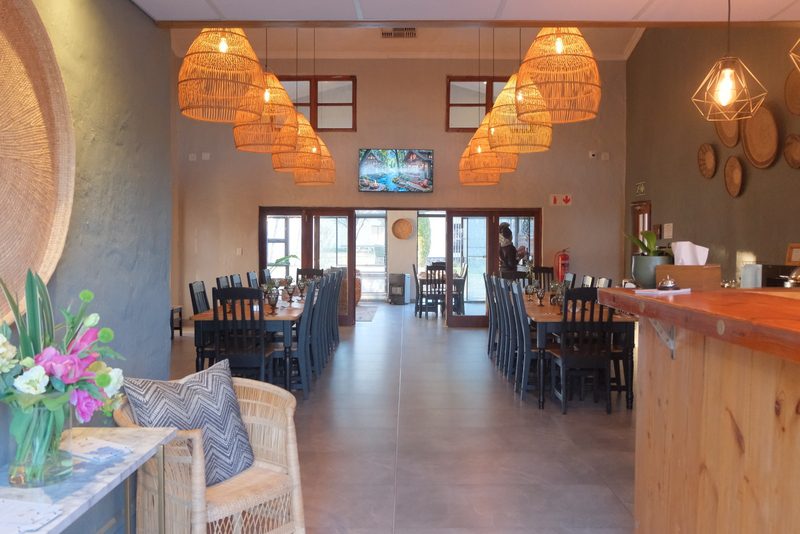
Monte Bello Estate, just outside Bloemfontein, where we overnighted for the last evening on tour.
After a hearty breakfast in the morning, it was time to climb aboard our coach for our final leg home.
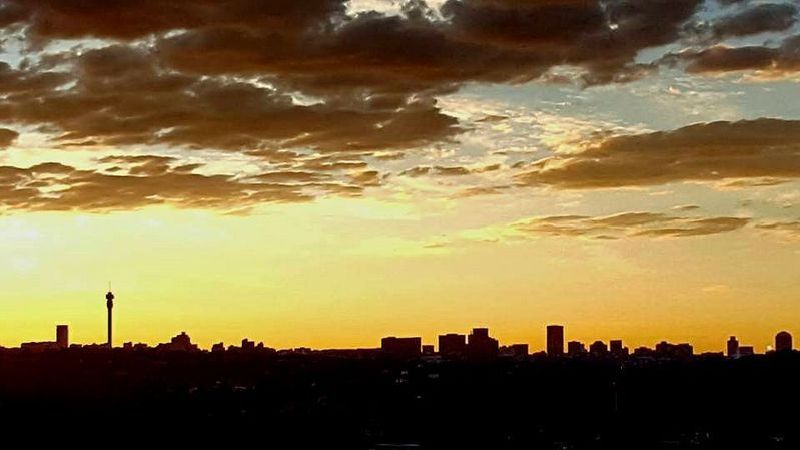
And finally…
Back to Johannesburg.
It was bittersweet to see the skyline of Johannesburg, but all good things HAVE to come to an end, and this wonderful adventure was no exception.
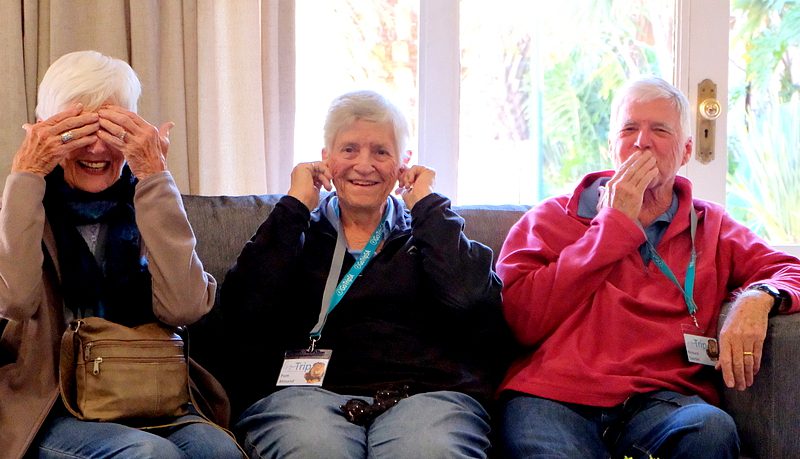
And then it will be time to say goodbye to our fellow travellers and look back at the stories we shared and the wonderful experiences we enjoyed.
What happened on tour, stayed on tour.
Well, some of it will.
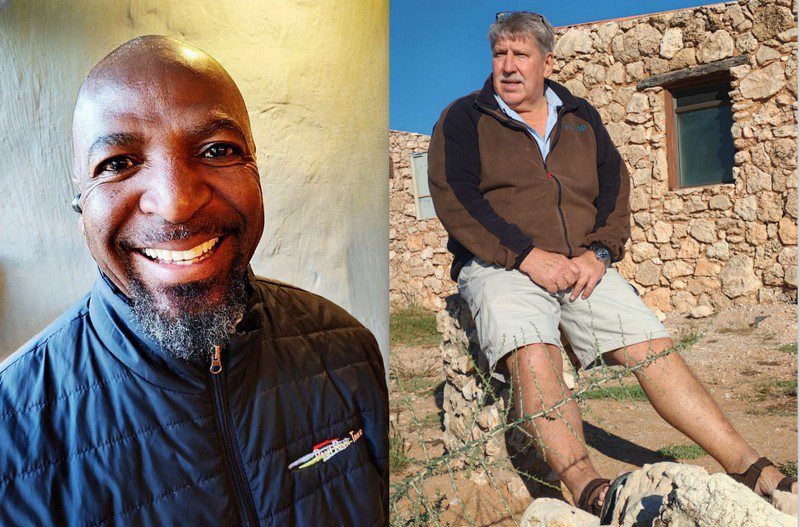
With many thanks to Bennett, our driver, on the left, for getting us to each overnight destination on time and with a professionalism that is a compliment to the company he works for.
And to Mike for being the ‘face’ of GoTrip. He kept all 16 of us entertained, while making certain that arrival and departure times were adhered to.
And on that note, nothing was rushed, and everyone was able to enjoy the tour both on and off the coach.
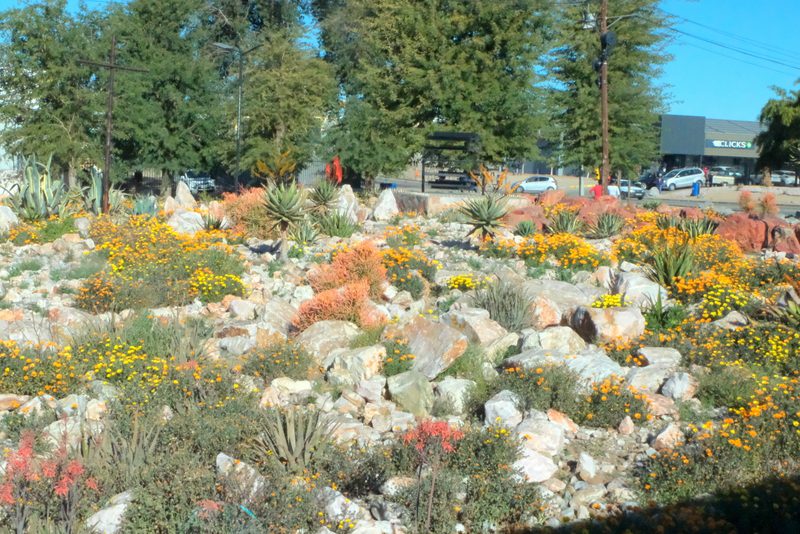
Although most of the towns we drove through had piles of litter strewn all around, this town at least tried to make an effort.

To learn more about this company and what they offer, click the logo above.
BREAKING NEWS.
Two new awards for Travel & Things.
I am grateful for them both, but the storytelling award is the one that makes my heart sing.
In all the years I have been publishing articles, I have strived to make them read like travel stories, rather than just a review of the properties I visit and the wildlife I see.
And it seems that my persistence has paid off.
That being said, the other award is for reviews, so I guess I am doing something right.
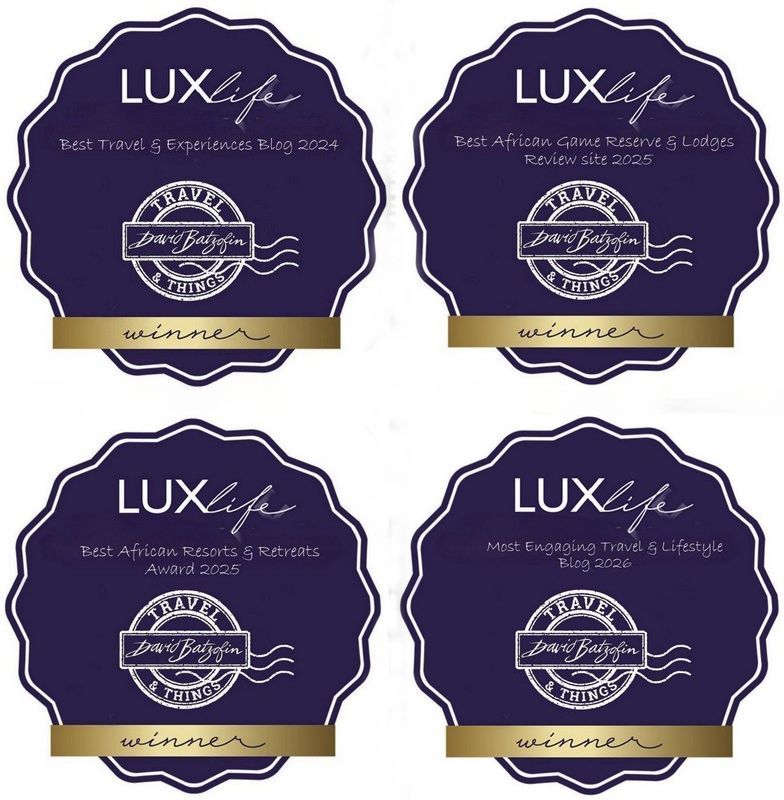
Travel & Things is the proud winner of these prestigious awards from the digital British lifestyle magazine Luxlife.
The awards are in the categories:
Best Travel & Experiences Blog 2024 – South Africa
Best African Game Reserves & Lodges Travel Review Site 2025.
Best African Resorts and Retreats Award 2025.
Most engaging Travel & Lifestyle Blog 2026.
And now I can add:
Best Luxury & Safari Travel Review Platform 2026
Authentic Storytelling Excellence Award 2026
To see who the guests have been since this YouTube channel launched, click on the logo above.

Looking for something to read? Click on the logo above to visit the Off the Shelf YouTube channel for interesting and up-to-date interviews and book reviews.
“Hard work never killed anybody, but why take a chance?”
Edgar Bergen
All images are the copyright property of

and may not be used without permission.

All images used in Travel & Things posts are edited using Ribbet software. To learn more about the product and what it offers both amateur and professional photographers, click on the logo above.