














BREAKING NEWS
To celebrate the Zoo’s 122nd birthday, it will be offering tickets at R22.00 per person on the 22nd of every month until February, 2027.
Mark those days on your calendar and in your diary.
Listen to this timeless classic as you scroll through this post.
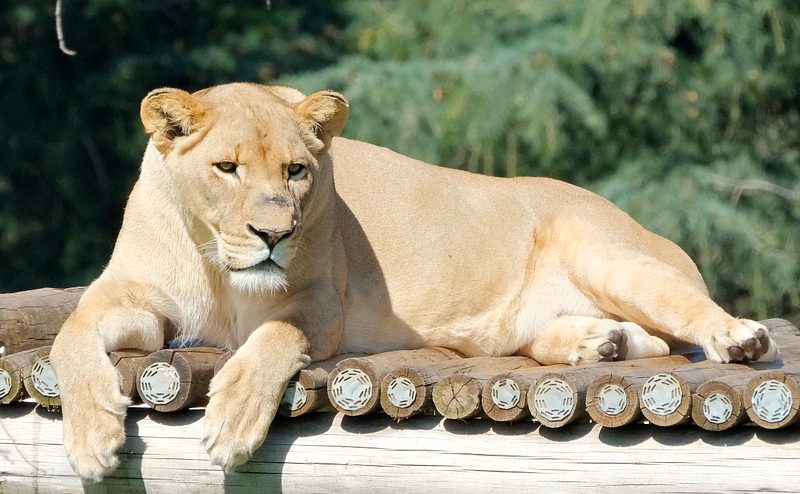
People tend to forget just how big lionesses are.
And this one was no exception.
She seemed to be bored with her surroundings, but don’t let that fool you. She is acutely aware of exactly what is happening in her space.
Test that at your own peril.
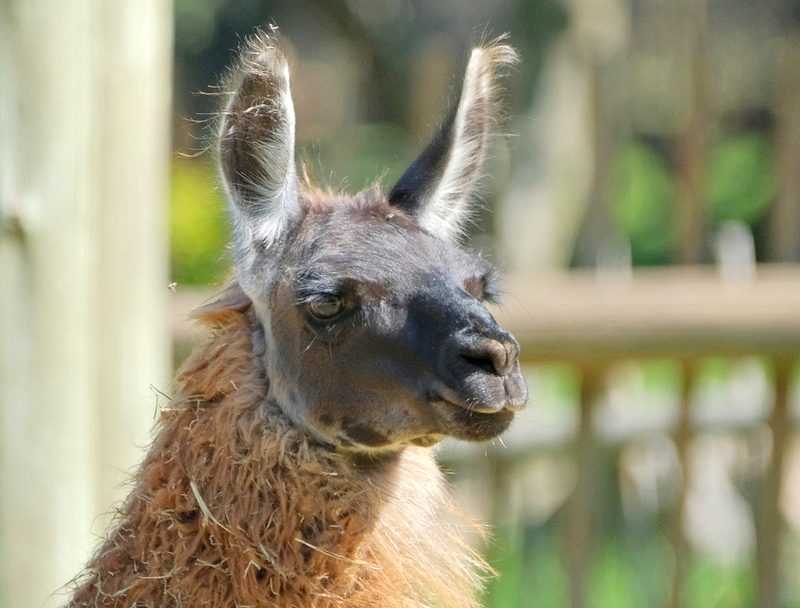
This is a Llama…not an Alpaca.
“What is the difference”? I hear you ask.
Llamas are the bigger, more imposing cousin, standing up to 1.8m at the head
Alpacas are smaller, more compact, and look like they’ve been through a very good hair salon
Llama = bodyguard
Alpaca = luxury model
Alpacas are bred for their super-soft, high-end fleece (used in premium clothing)
Llamas have coarser hair, better suited for ropes and rugs
Llamas: Confident, independent, slightly dramatic
Alpacas: Shy, gentle, and a bit awkward
Llamas walk into a room as if they own it.
Alpacas peek around the corner first.
The spitting myth (and truth)
Both can spit—but:
Llamas are far more likely to aim and fire when annoyed
Alpacas usually reserve spitting for each other, especially over food
Llamas were historically used as pack animals by Andean cultures
Alpacas were bred mainly for their fleece
Llamas carry your gear.
Alpacas supply your wardrobe.
Llamas → long, banana-shaped ears
Alpacas → short, spear-shaped ears
It’s the quickest way to tell them apart at a glance.
Well, that should clear up any misconceptions.
And if you are STILL confused, then watch this for a giggle.
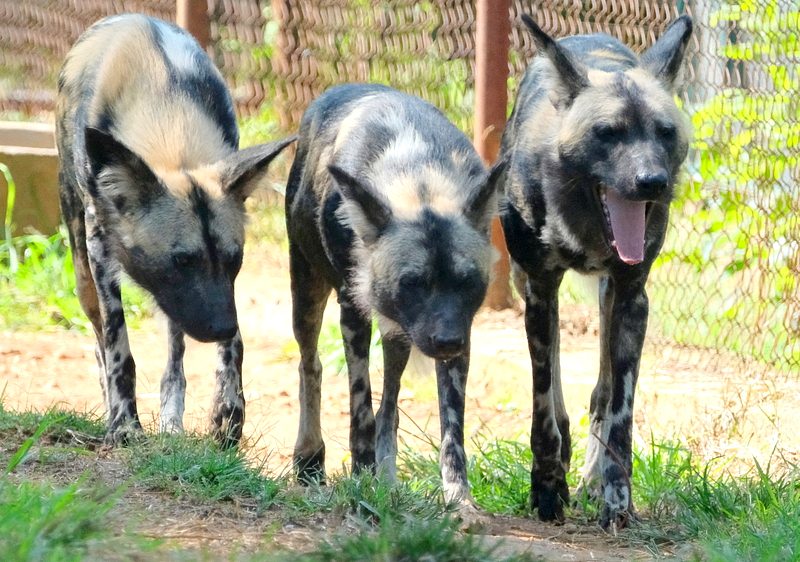
One of the most successful predators in South Africa.
Yet, like the cheetah, they do not feature in the Big 5.
And why?
Because the Big 5 is all about the most dangerous animals to hunt on foot. Neither of those species are hunted as trophies.
The biggest threat to the Wild Dog population is domestic canine distemper.
That is why I was glad to see this pack at the Zoo.
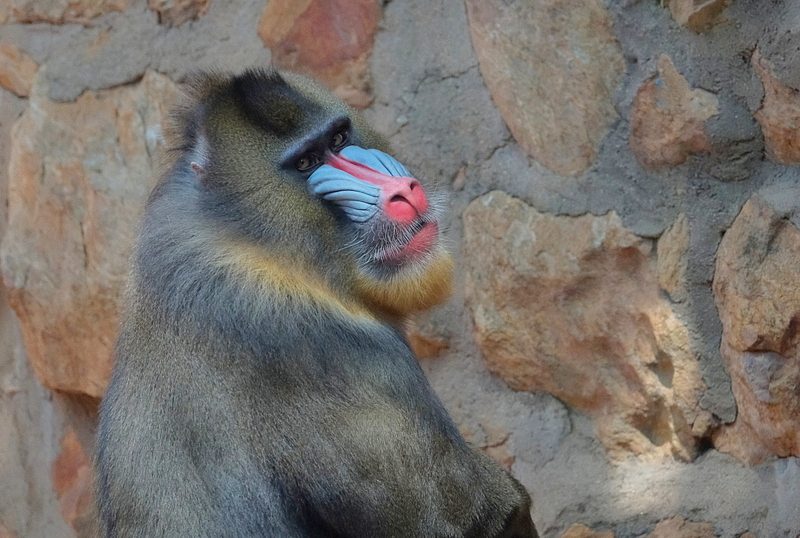
This male Mandrill is unaware of the fact that he might have a new home soon.
The Joburg Zoo, like zoos world wide have a stud book when it comes to primates.
This keeps track of all the breeding animals, and how and where they can be moved to, so that the gene pool is not diluted by inbreeding.
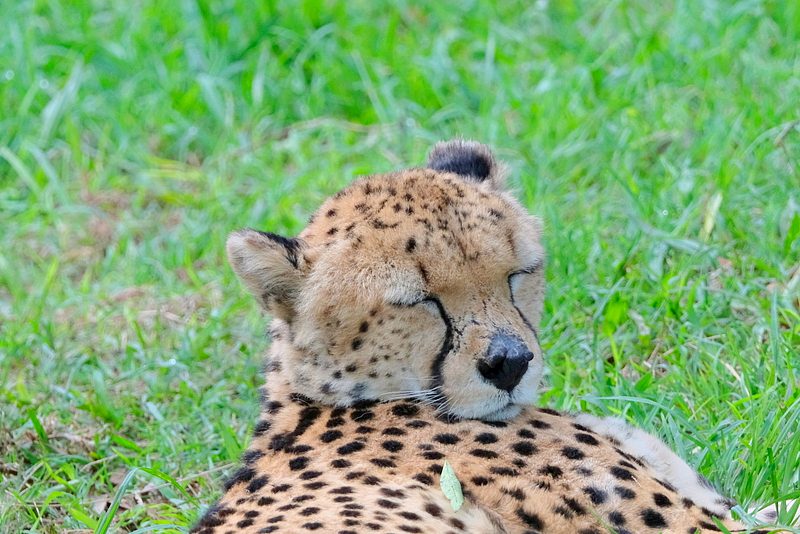
And speaking of cheetah, this was one of two that were in an enclosure not too far from the Wild dogs.
I have a friend who continues to confuse leopards and cheetahs.
This paragraph is just for him…
At first glance, the Leopard and the Cheetah might look like cousins cut from the same spotted cloth—but spend a moment in the bush and the differences couldn’t be clearer.
The leopard is the quiet heavyweight: muscular, secretive, and built for ambush, with rosette-shaped spots and a habit of hauling its dinner into trees like a seasoned hoarder.
The cheetah, on the other hand, is all speed and style—a lean, long-legged sprinter with solid black spots and those unmistakable tear marks, designed to chase down prey in the open plains at blistering pace.
In simple terms, if it disappears into a tree, it’s a leopard… if it disappears over the horizon, it’s a cheetah.
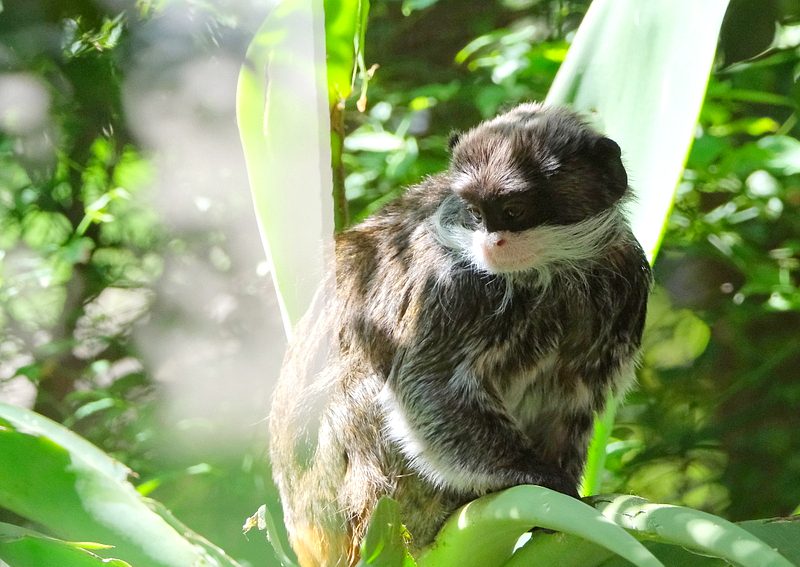
A young Emperor Tamarin in the Amazon exhibit.
Some interesting facts:
That moustache is real—and iconic.
The Emperor Tamarin’s long, white, drooping moustache gives it a distinguished, almost regal appearance. It’s said to resemble German Emperor Wilhelm II, which is how it got its name.
Dads do most of the heavy lifting.
In a rare twist in the animal kingdom, the males take on the primary caregiving role. They carry the babies almost constantly, only handing them to the mother for feeding.
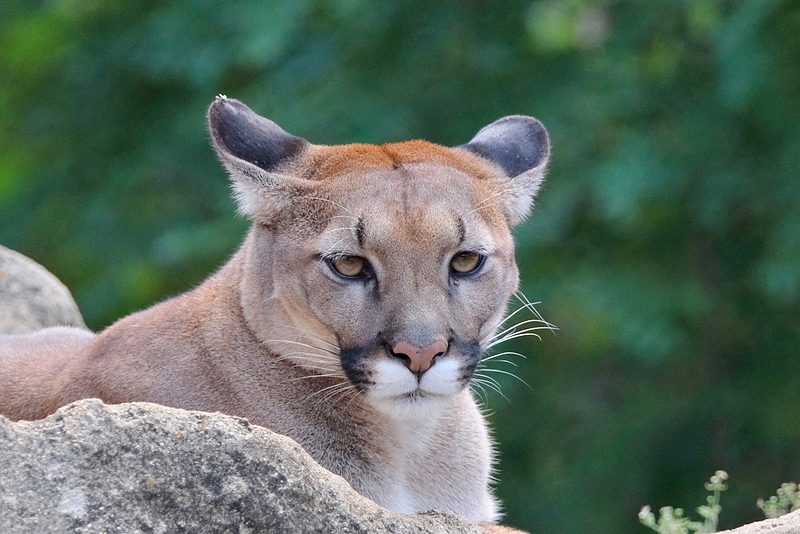
An American Mountain Lion. Also known as a Puma or Cougar.
FYI:
Believe it or not, there are about 40 names for this particular cat! As such, it holds the Guinness World Record for the animal with the highest number of names.
And that is just in English alone. The names include panther, catamount, and painter—due to its massive, unrivalled range across North and South America.
The cat inhabits regions from Canada to Patagonia, leading to different names in different local dialects.
Cultural Diversity: Native American tribes, early Spanish explorers, and settlers from various European nations (English, French, Portuguese) all gave the cat distinct names.
Regional Usage: “Mountain lion” is common in the Western U.S., “cougar” in the East/Canada, and “puma” in Central/South America.
Now you know…
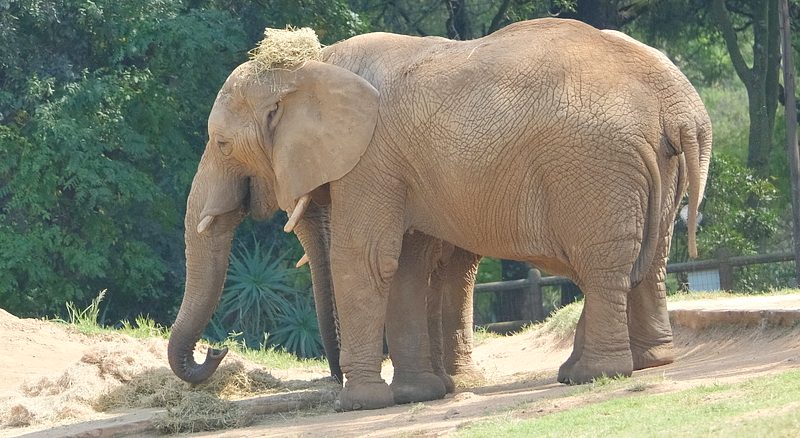
I was not expecting to find elephants at the Zoo, given the publicity that they have created over the years.
But there were several individuals in an enclosure that I expected to find empty.
The new Executive Manager of the Zoo, Louise Gordon, shared this quote with me:
“The zoo displays our natural heritage, which includes elephants.
Lammie is the oldest at 46 years and lives with Ramadiba (bull) and Mopane (female). They are healthy and happy“.

A Scarlet Ibis.
Did you know that this bird is the national bird of Trinidad and Tobago?
And as such, it’s protected and celebrated as part of the country’s natural heritage.
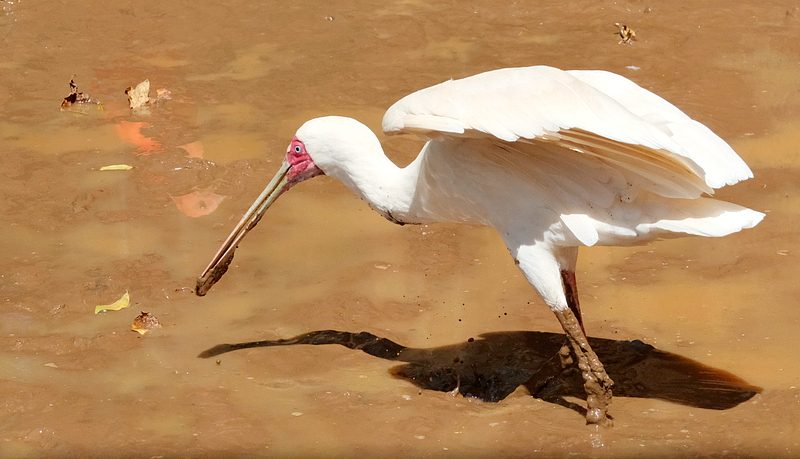
An African Spoonbill.
Fun facts:
Their “spoon” is a precision hunting tool.
The spoon-shaped bill isn’t just for show. The African Spoonbill sweeps it side to side in shallow water, snapping it shut the instant it feels movement. It’s a bit like fishing… with built-in cutlery.
It hunts by touch, not sight.
Unlike many birds, the spoonbill doesn’t rely heavily on vision when feeding. Its bill is packed with sensitive nerve endings, allowing it to detect tiny fish, insects, and crustaceans in murky water.
It changes colour as it matures.
Juvenile spoonbills start with a more greyish or dull appearance. As they mature, they develop that striking white plumage, black legs, and a distinctive reddish face and bill—becoming far more photogenic with age.
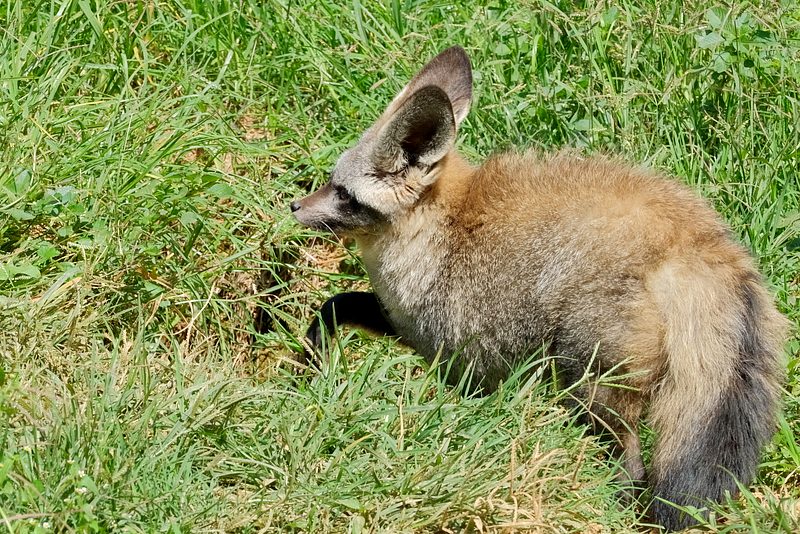
An elusive Bat-eared Fox.
I have seen a few of these in the wild, and they always seem to be scurrying around, busy looking for something.
Have you heard this tale about their ears?
Long before the grasses learned to whisper and the termites built their towering cities, the plains were a place of noise.
Every creature spoke loudly, all the time. The lions roared even when they were not hungry. The zebras argued with the wind. Even the beetles drummed their tiny feet as if they had something urgent to say. The world was full—but it was never quiet.
The spirits who watched over the land grew weary.
“How,” they asked, “can wisdom be heard if nothing ever listens?”
So they decided to choose one small creature to carry the gift of listening—to hear what others could not, and to keep the balance between noise and silence.
But which creature?
They called the animals together.
The elephant came first, proud and certain.
“Give it to me,” he said. “I am the largest. I should hear everything.”
The spirits shook their heads.
“You are already heard by all.”
The lion stepped forward next.
“I will listen,” he said, “and then I will decide what matters.”
Again, the spirits refused.
“You listen only for yourself.”
One by one, the animals made their case.
The jackal promised cunning.
The hyena promised endurance.
The owl, who loved the night, said nothing at all—but even his silence was heavy with knowing.
Still, the spirits were not satisfied.
At the edge of the gathering, almost unnoticed, sat a small, sandy-coloured fox.
He did not push forward.
He did not speak.
He simply listened.
“Why do you not ask for the gift?” the spirits said to him.
The little fox lifted his head.
“I am already trying to hear,” he said softly. “But the world is too loud.”
The spirits smiled.
And in that moment, they chose him.
They reached down and gently stretched his ears—longer and wider, until they caught even the faintest sound.
“The grass will speak to you,” they said.
“The termites will whisper beneath the earth.
The wind will carry stories no one else can hear.”
The other animals laughed.
“What use is that?” they said. “What can be gained from listening to such small things?”
The fox said nothing.
Seasons passed.
Drought came.
The rivers thinned and the ground hardened. The great animals grew restless and hungry. They roared louder than ever—but there was nothing to hear but their own voices.
All except the little fox.
With his great ears pressed to the earth, he listened.
He heard the quiet movement of termites deep below.
He heard life where others heard nothing.
And so, while the plains struggled, the fox survived.
Not through strength.
Not through noise.
But through listening.
From that day on, the spirits reminded the animals:
“It is not always the loudest voice that carries truth.
Sometimes, wisdom belongs to the one who hears what others ignore.”
And that is why, when the sun sets, and the plains grow still, you may see the bat-eared fox pause… head tilted, ears wide to the world.
Listening.
Always listening.
Because in the silence, the earth is still speaking.
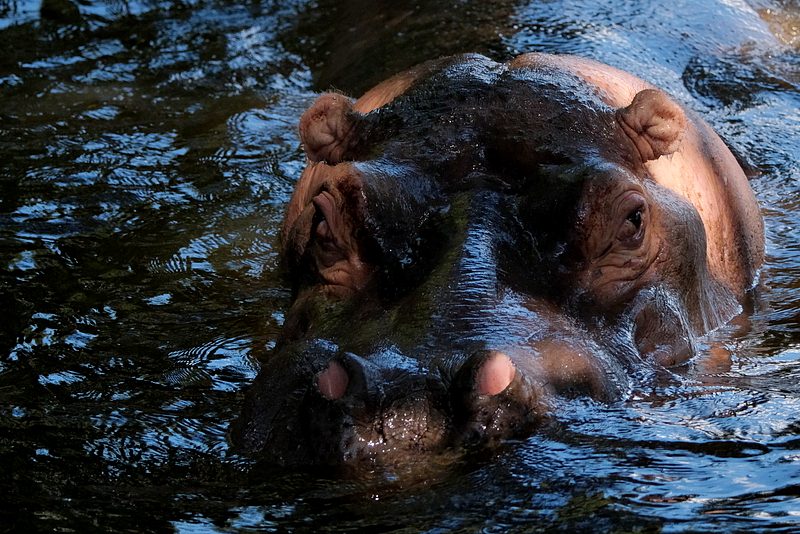
Up close and personal. One last visit to the hippo before heading for the exit and home…

To find out what is on offer at the zoo, click on the logo above.

Travel & Things is the proud winner of these prestigious awards from the digital British lifestyle magazine Luxlife.
The awards are in the categories:
Best Travel & Experiences Blog 2024 – South Africa
Best African Game Reserves & Lodges Travel Review Site 2025.
Best African Resorts and Retreats Award 2025.
And the most recent accolade… Most engaging Travel & Lifestyle Blog 2026.

To see who the guests have been since this YouTube channel launched, click on the logo above.

Looking for something to read? Click on the logo above to visit the Off the Shelf YouTube channel for interesting and up-to-date interviews and book reviews.

“Hard work never killed anybody, but why take a chance?”
Edgar Bergen
All images are the copyright property of

and may not be used without permission.

All images used in Travel & Things posts are edited using Ribbet software. To learn more about the product and what it offers both amateur and professional photographers, click on the logo above.