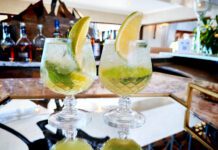


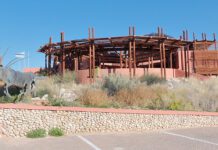


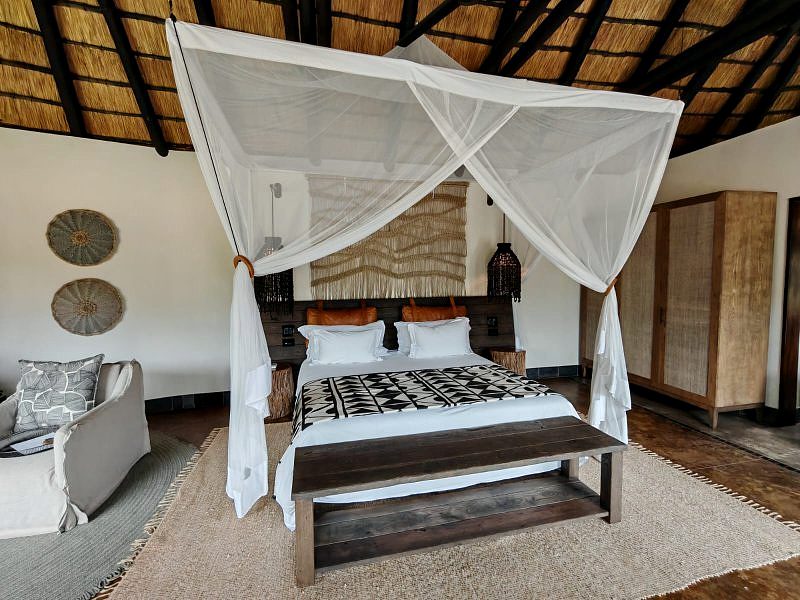
Our accommodation at River Lodge.
The bed was incredibly comfortable, and the linen and pillows were hard to leave behind when heading out on either a morning or afternoon game drive.
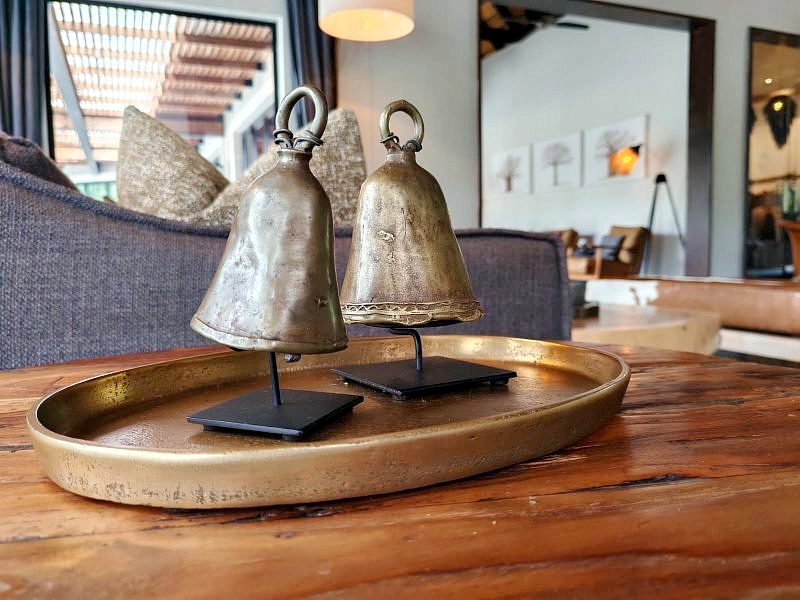
Even the trinkets in the lounge seemed to be trying to catch my attention, rather than allowing me to leave.
However, there was wildlife to track, and hopefully, a predator or two as well.
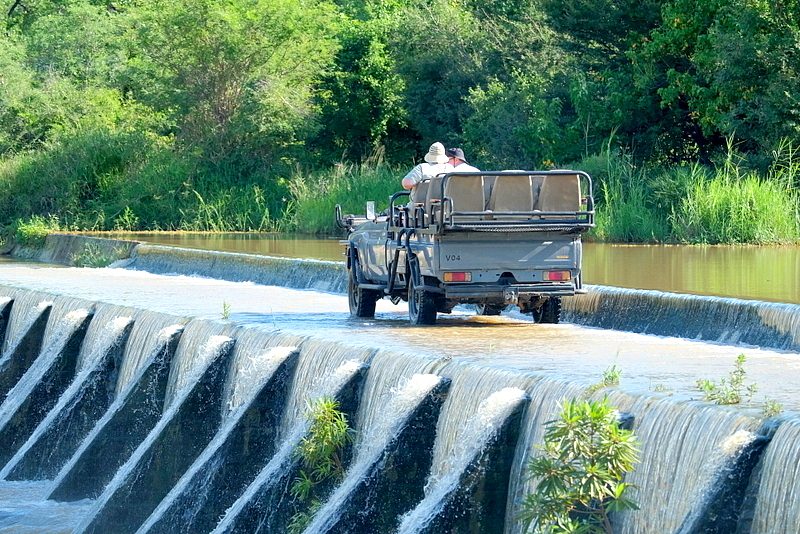
Heading out across the weir near the camp.
Quite the spectacle when the flow of the Selati River allows vehicles to traverse this short section.
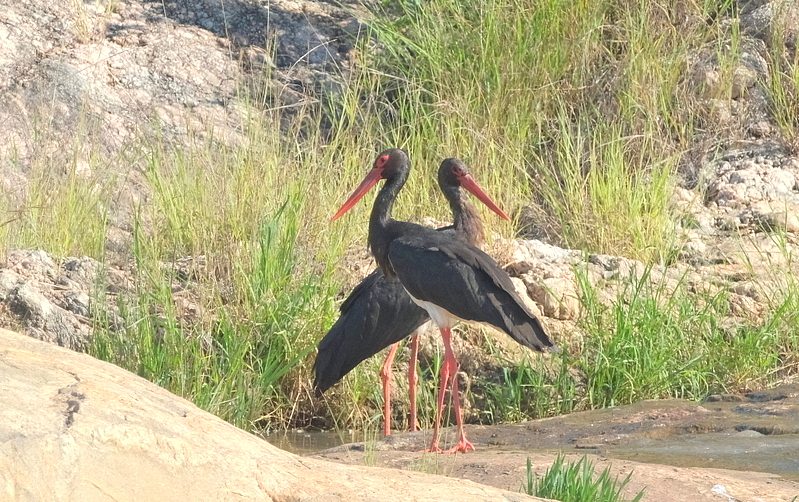
A pair of Black Storks watched as we idled past.
Neither they nor we were in a hurry to be anywhere other than right where we all were at that moment.
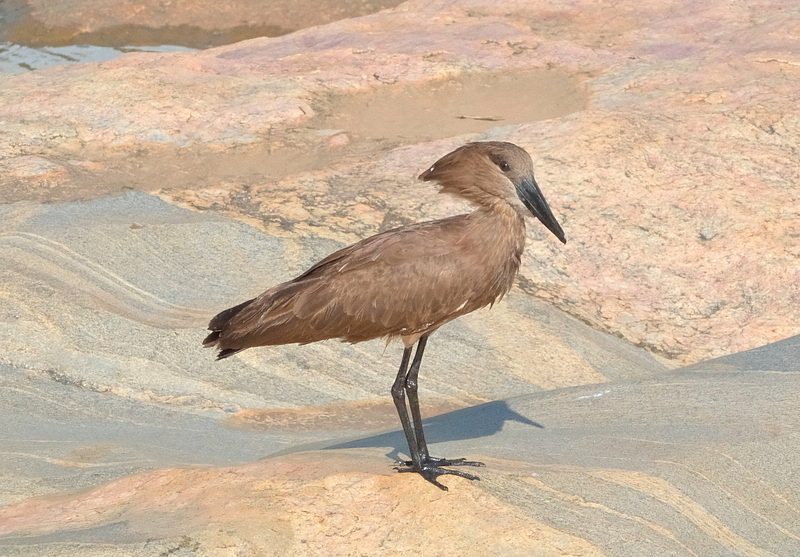
A Hamerkop in search of a meal.
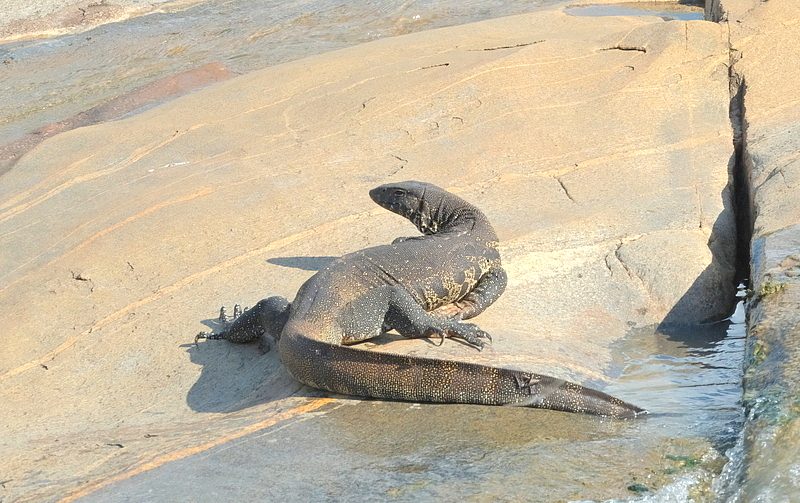
A Water Monitor basking in the weak sunlight. Strategically placed to grab a fish or two that might be washed over the weir.
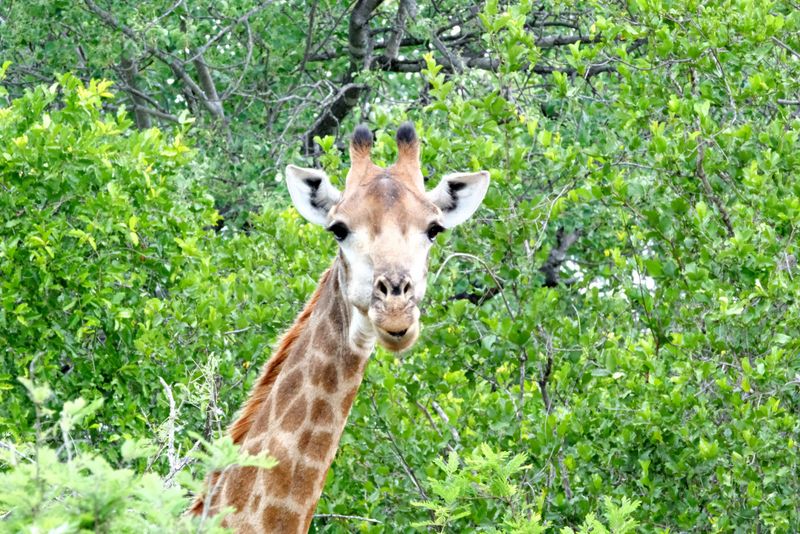
I can see you.
I always wonder what people would think if you tried to describe a giraffe to them, if they had never seen one.
I bet that they would think that it had escaped from Jurassic Park or some similar theme park.

They are inquisitive creatures and will stand and look at a vehicle for the longest time before deciding what course of action to take.
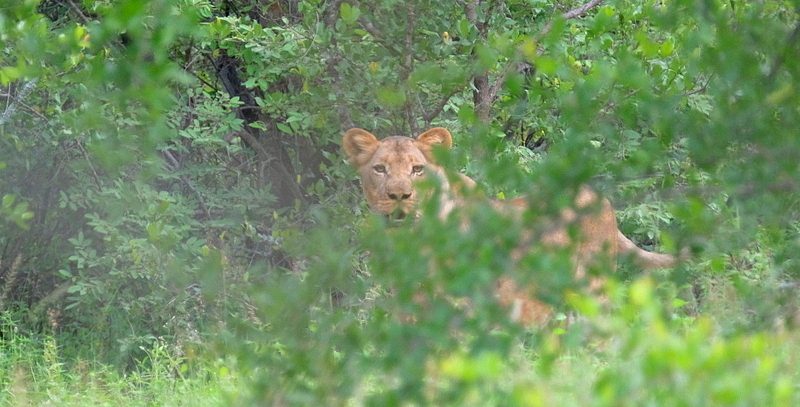
Skulking in the bushes. Given that the vegetation is very dense, due to the rains, many of the sightings were restricted to glimpses.
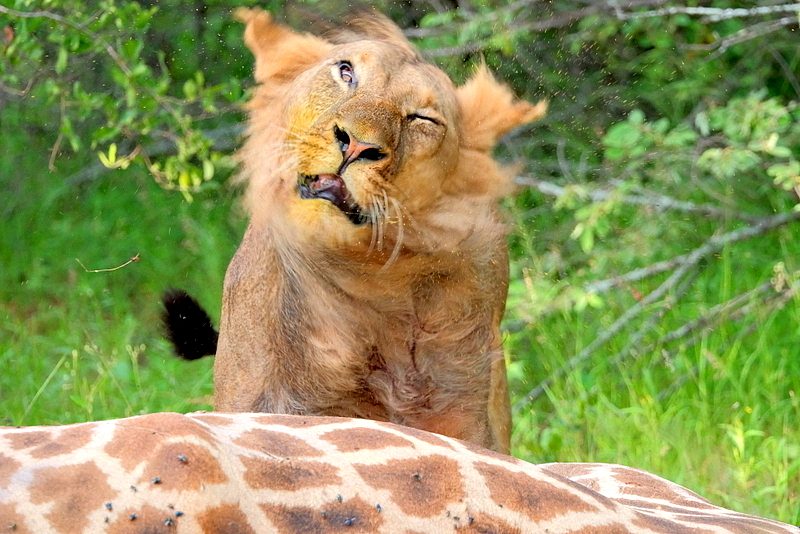
This giraffe was too inquisitive and paid the ultimate price.
This was one of three lions involved in taking it down.
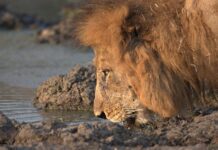
The flies were numerous and beginning to annoy, hence the head shake.
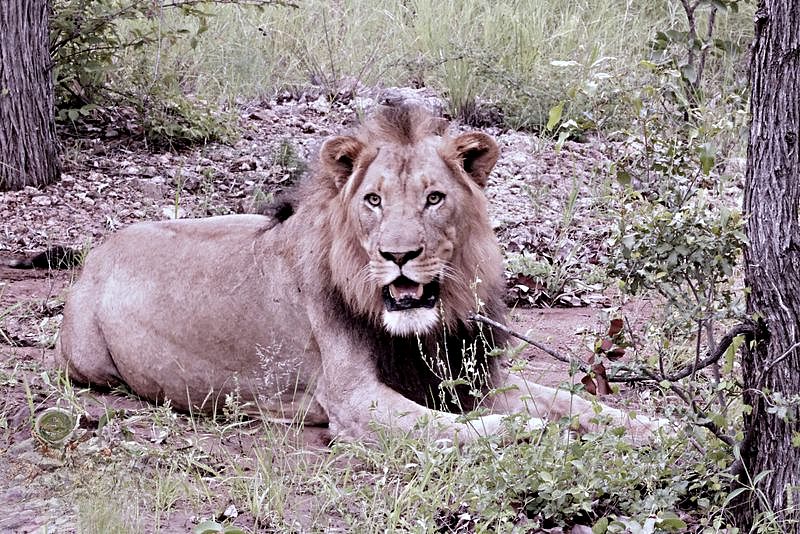
This male was one of two that we found on the Safari Camp side of the property.
They had been playing games with us the entire drive, and it was only on our way back to camp that we finally found them.
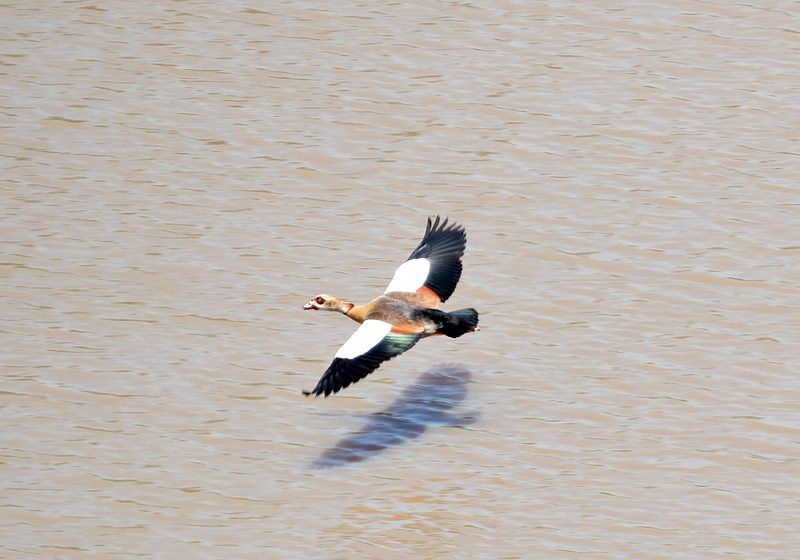
Coming in to land…
An Egyptian Goose skimming across the water before executing a landing.
Things that keep me awake at night: In Egypt, do they just call it a Goose?
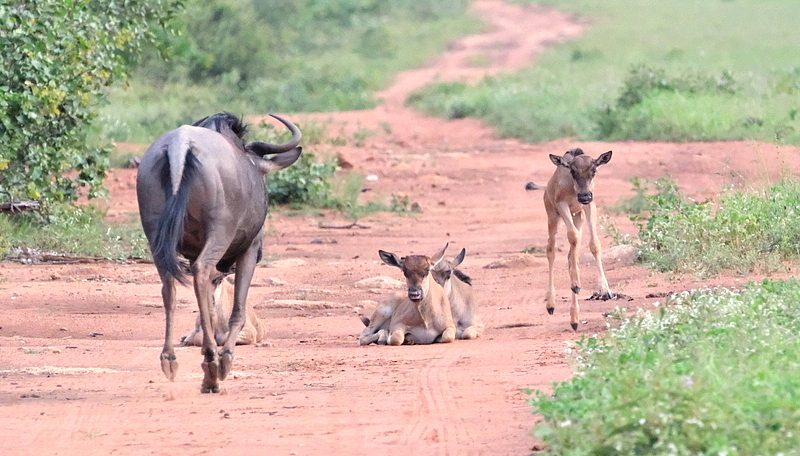
A family of Blue Wildebeest.
Did you know that the collective noun for this species is called a ‘confusion’? Well, you do now.
They are by no means the brightest creatures in Africa, given that legend has it they were constructed out of leftover parts of several other animal species.
The legend goes something like this:
The face of a horse.
The horns of a buffalo, but attached at an angle that suggests no measuring tape was involved
The body was taken from a hyena; check the slope of the back.
The stripes of a zebra
The tail was clearly stolen straight off a horse.
And the brain of a Guinea Fowl.
Once assembled, the creator took one look, shrugged, and sent it out into the world. The wildebeest then immediately ran headlong into danger, tripped over nothing, and proved that despite its appearance, it would somehow become one of Africa’s great survivors.
Like most bush legends, it’s affectionate rather than cruel — a way of explaining why the wildebeest looks like it was designed by committee, yet remains one of the most successful, resilient animals on the continent.
Legends are just that and serve to add to the mystique of an animal that is already confusing…and confused.
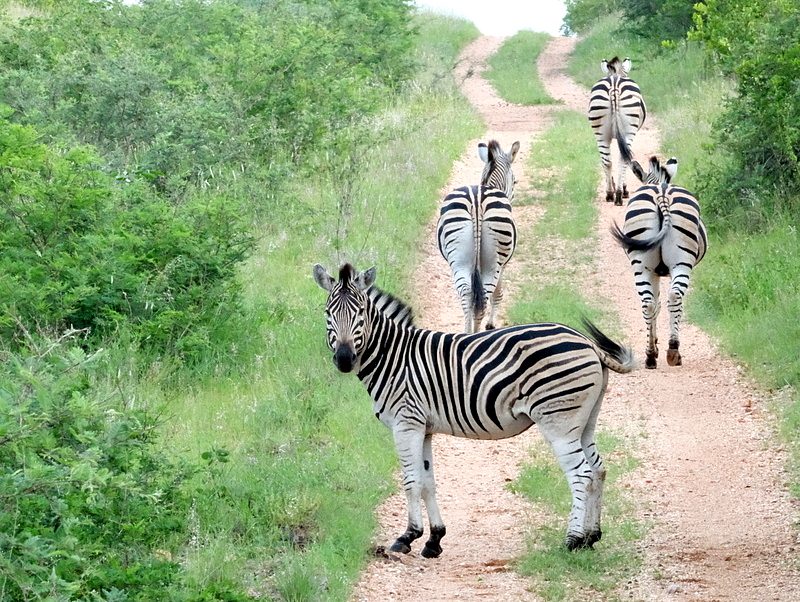
Black with white stripes or white with black stripes.
There are several legends surrounding the zebra and its stripes.
These are some of the better-known:
The Zebra and the Baboon (San / Khoisan folklore)
In one of the oldest stories, the zebra was once pure white.
Zebra and Baboon were friends, but Baboon was greedy and hot-tempered. One day, during a quarrel over a watering hole, Baboon pushed Zebra into a fire. Zebra escaped, but not before the flames scorched black marks into his coat.
Ashamed and angry, Zebra fled to the plains, forever marked by the black stripes burned into his skin. Baboon, meanwhile, was cursed with a hairless backside as punishment for his cruelty — a reminder that bad behaviour leaves marks of its own.
Moral: Anger and selfishness bring lasting consequences.
Zebra are sometimes perceived as a Rain or Balance Symbol
Some traditions see the zebra’s stripes as representing the balance between opposites:
Day and night
Overcast and sunlight
Life and death
In these stories, the zebra becomes a creature of harmony, walking between extremes and keeping the natural order intact.
Are you surprised?
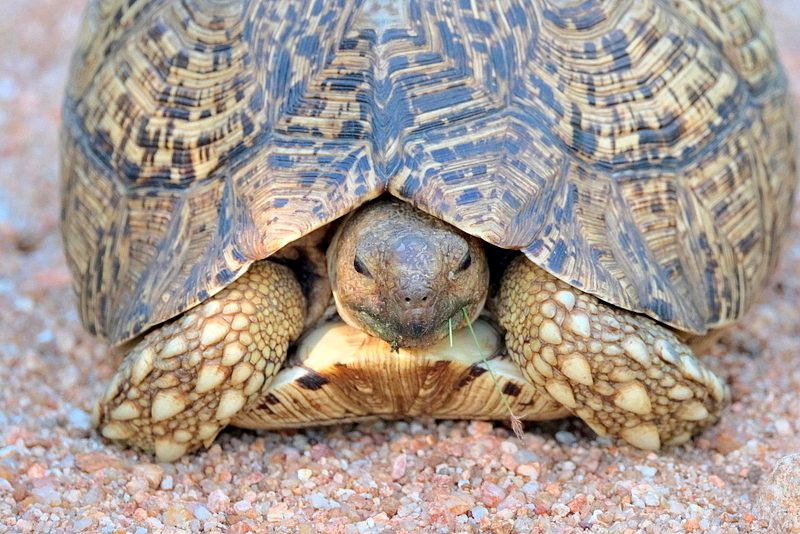
It seems counterintuitive, but a leopard tortoise can swim — not because it’s built like a swimmer, but because physics does most of the work.
A leopard tortoise’s shell isn’t solid stone. It contains:
Air spaces in the lungs
A relatively low overall body density compared to water
This gives the tortoise natural buoyancy, allowing it to float rather than sink like a rock.
Leopard tortoises don’t swim gracefully like terrapins or turtles. Instead, they:
Use slow, alternating paddling motions and steer with subtle movements of their limbs and head
It’s more of a controlled drift than a purposeful breaststroke.
Unlike Terrapins, Leopard tortoises are not aquatic and don’t seek out water. Swimming usually happens:
When crossing flooded plains
After heavy rains
If accidentally swept into water
The ability to stay afloat is a survival adaptation, not a preferred behaviour.
The domed shell of a leopard tortoise acts like a boat hull, helping it remain stable on the surface and resist rolling over
While they can swim, leopard tortoises:
Tire easily
Can drown if water is cold, deep, or fast-moving
Should never be placed in deep water intentionally
A leopard tortoise swims the same way it survives everything else — slowly, stubbornly, and with surprising effectiveness.
It’s not elegance; it’s evolution doing just enough to keep an unlikely animal alive when circumstances demand it.
And therefore this species is the only one that can ‘swim’…
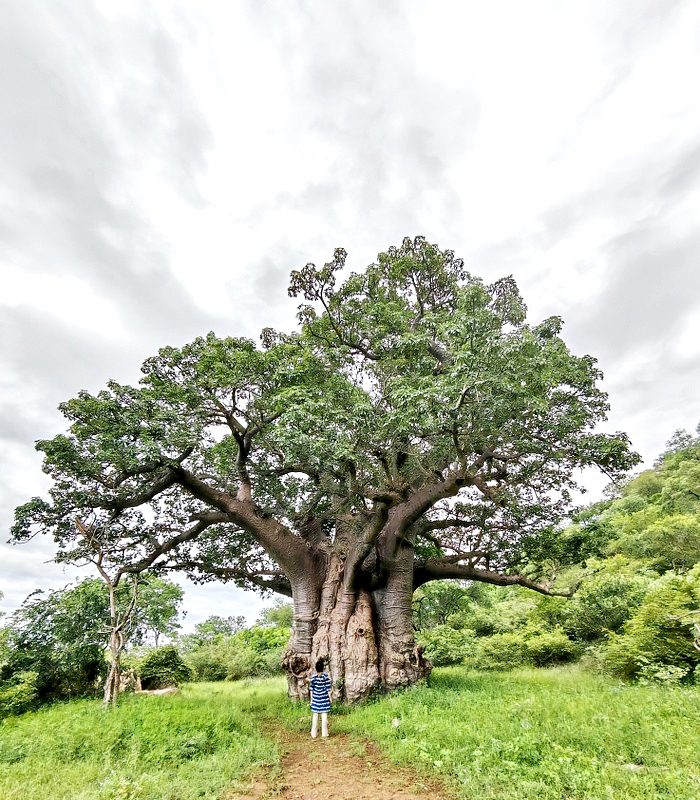
My wife, standing in front of a Baobab tree that is reportedly 2400 years old.
Are you aware of the African legend surrounding this tree?
In the beginning, when the gods were handing out trees, the baobab was spoiled.
It was planted first and given rich soil, plenty of water, and a strong trunk. But the baobab was never satisfied. It complained that the palm was more elegant, that the fig bore sweeter fruit, that the acacia had finer leaves. No matter where the gods planted it, the baobab grumbled.
Finally, tired of its constant complaints, the gods lost patience. In a fit of divine frustration, they pulled the baobab from the earth and replanted it upside down, shoving its roots into the sky so it would have nothing left to compare itself to.
And so, the legend says, the baobab learned humility — its branches forever twisted like roots, its massive trunk anchored in silence, and its pride buried deep in the ground.
If you did not know it, you do now…
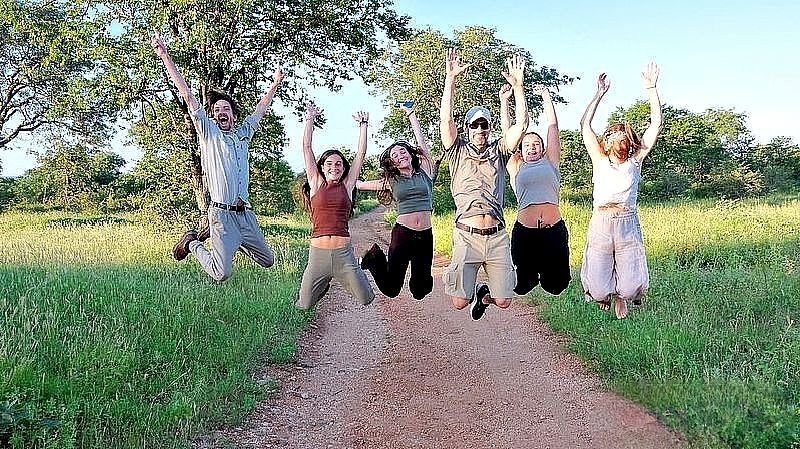
This is what successful game drives bring out in both the lodge staff (on the left) and this family of international guests.
Picture used with permission.

To find out more about what the Camp offers, click on the logo above.


Travel & Things is the proud winner of these prestigious awards from the digital British lifestyle magazine Luxlife.
The awards are in the categories:
Best Travel & Experiences Blog 2024 – South Africa
Best African Game Reserves & Lodges Travel Review Site 2025.
Best African Resorts and Retreats Award 2025.

See who the guests have been since the inception of this YouTube channel.
Click on the logo above.

Looking for something to read? Click on the logo above to visit the Off the Shelf YouTube channel for interesting and up-to-date interviews and book reviews.
“Hard work never killed anybody, but why take a chance?”
Edgar Bergen
All images are the copyright property of

and may not be used without permission.

All images used in Travel & Things posts are edited using Ribbet software. To learn more about the product and what it offers both amateur and professional photographers, click on the logo above.