


With Respect to Otis Redding…
This is how I spent MY time at Kalk Bay.
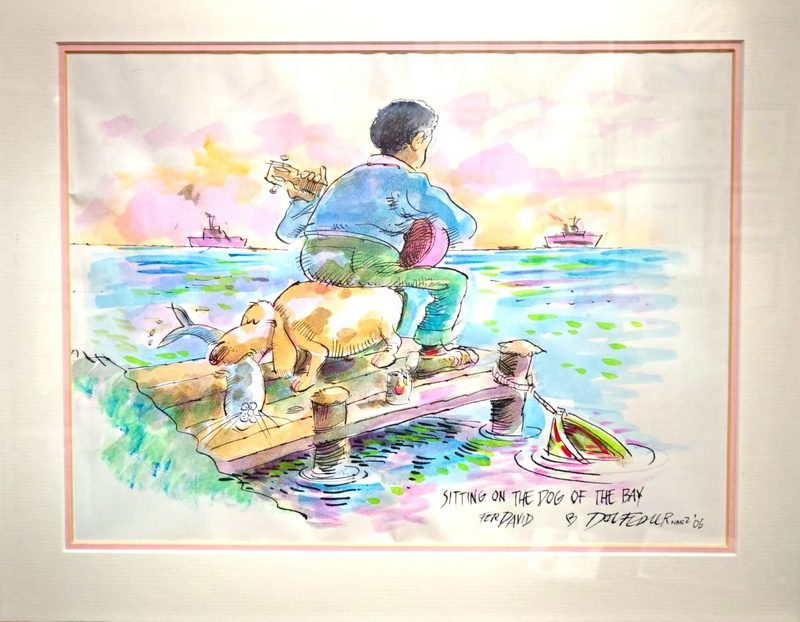
Many years ago, when I was a presenter at a radio station in Johannesburg, this song was incorrectly labelled on our computer.
‘Sitting on the dog of the bay’ actually sounded like a plausible option for a title. I mentioned it to my late father-in-law, political cartoonist extraordinaire, Dov Fedler, and he came up with this cartoon, which has been on my study wall for the past 20 years!
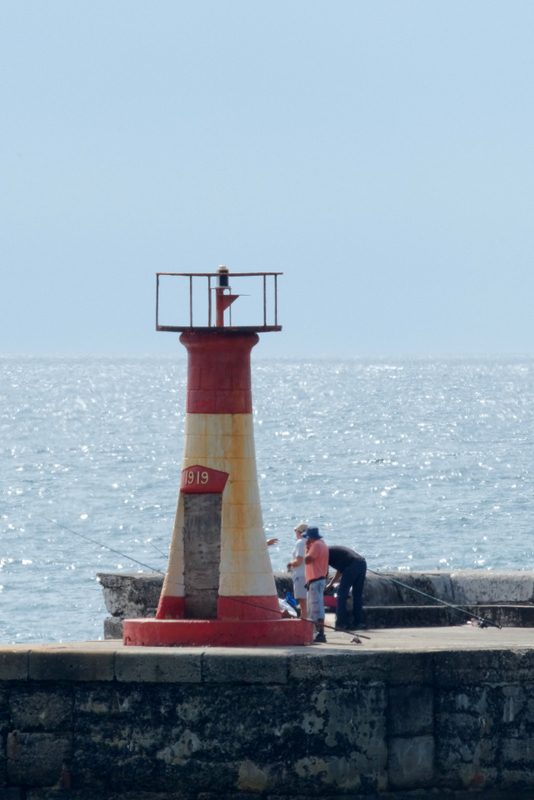
If harbours could talk, Kalk Bay Harbour would have the best accent on the Cape — a salty, salty Cape Dutch with a twist of Filipino, a wink to whalers past, and a big laugh at modern fishermen who ply their trade from boats docked here.
Perched on the wild waters of False Bay, 25 km from Cape Town, Kalk Bay is one of those places that feels like Cape history bottled and corked — with sea spray instead of wine.
When the Dutch East India Company first charted False Bay in 1687, the Governor of the Cape noted the area, though it was hardly a picture-postcard view yet.
The name Kalkbaai literally means “Lime Bay” — not because the place was particularly zesty, but because early settlers burned heaps of mussel shells to make lime for construction.
A port in any storm?
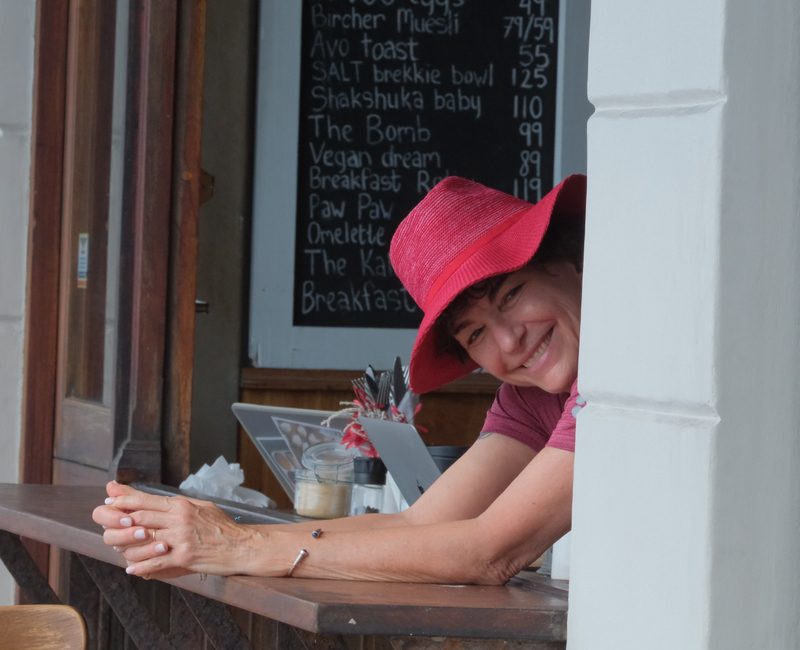
My wonderful wife at her favourite cafe in Kalk Bay, Olympia Cafe and Deli
Known far and wide, this quirky coffee shop/bakery/deli is an iconic business that is a must-visit destination when you are in Kalk Bay.
Not only for the food and the interesting staff, but also for the wonderful view out over Kalk Bay Harbour.
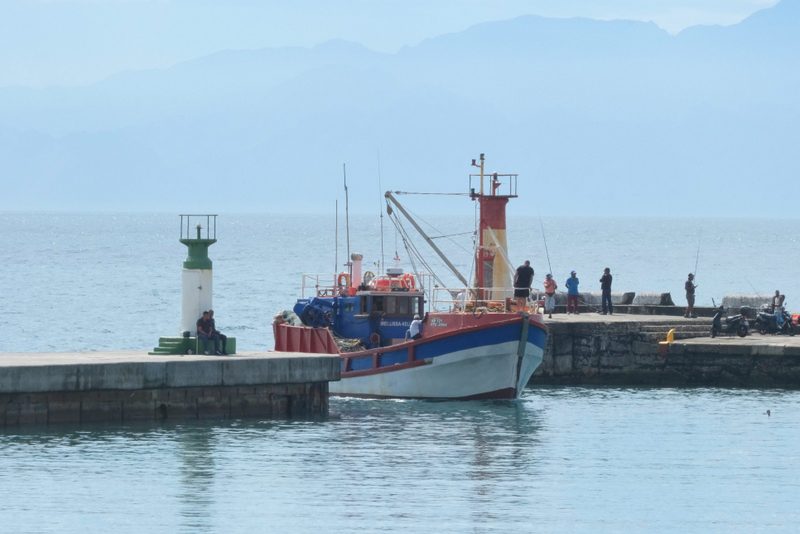
What’s remarkable about Kalk Bay Harbour is that it’s not a museum piece — it’s living history. That same harbour that sheltered early fishing boats over a century ago still bustles with life, community and stories worth listening to.
For decades, local fishermen had hauled their boats straight off the sandy beach. That all changed with the railway’s arrival in May 1883, slicing the beach awkwardly and leaving boats dangerously exposed during storms.
In came the engineers, surveys, and public meetings — and finally, in 1913, the then Minister of Railways and Harbours laid the foundation stone for a proper harbour. Construction was largely finished by 1918, giving this fishing village a protected basin, a breakwater and a fish-landing quay — transforming it into the working harbour we enjoy today.
Two decades later, between 1937 and 1939, a second breakwater was added to enclose the harbour and calm the waters further. And as a result, the harbour became an ideal haven for the growing fleet of fishing vessels.
In a country with a complicated past, Kalk Bay’s harbour stands as a reminder that heritage isn’t just something to preserve — it’s something to live, laugh and savour.
Safely home.
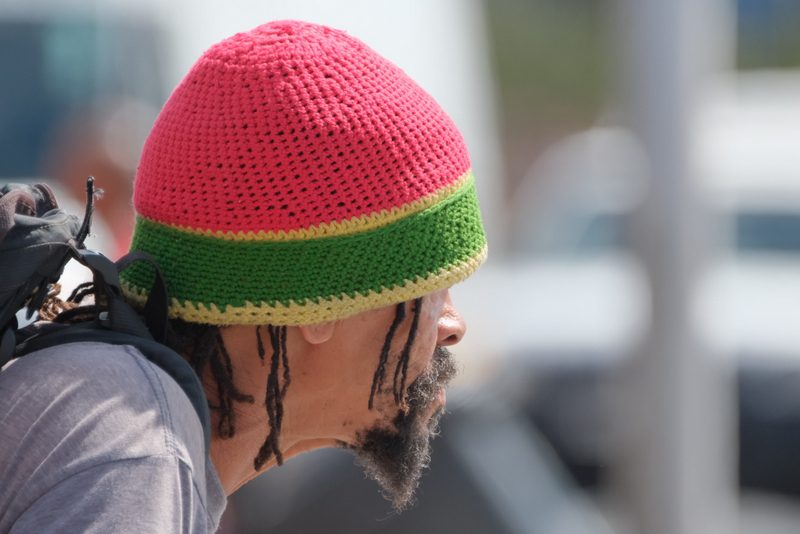
One of the locals.

From the harbour, looking back towards Kalk Bay and some of the restaurants that line the seaward side of Main Road.
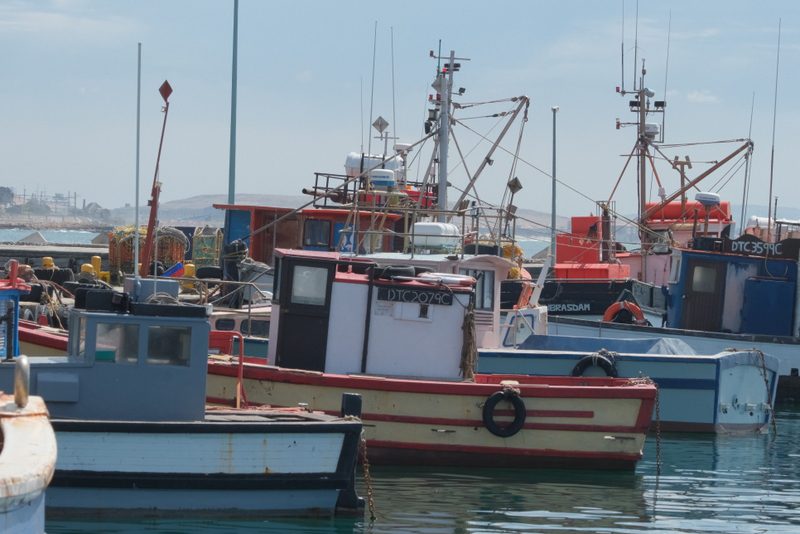
Long before Instagrammers snapped its colourful fishing boats, this stretch of coastline was recognised by the indigenous Khoekhoe people, who lived off the abundant seafood long before European explorers showed up.
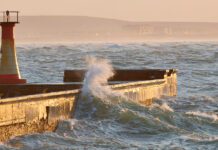
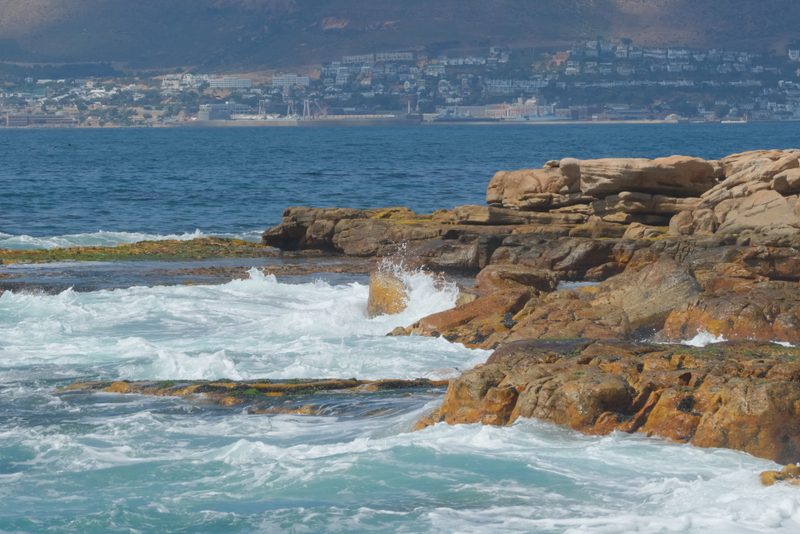
The calm before the storm? Kalk Bay, when the sea is stirred up by the wind, is a sight to behold.
Kalk Bay isn’t just about fishing nets and salted decks. Wander up Main Road, and you’ll find quirky antique shops, cafes with ocean views, art galleries tucked into old cottages, and restaurants that serve seafood as fresh as the bay breeze. Even the old stone stairways — once crucial for carrying fish up from the beach — now lead you to charming eateries and quirky boutiques.
This blend of old-world heritage and laid-back cool is part of Kalk Bay’s power. It’s where you can learn about South African maritime history one moment — and be debating the best fish ’n’ chips spot the next.
The waves roll in, and the waves roll out.
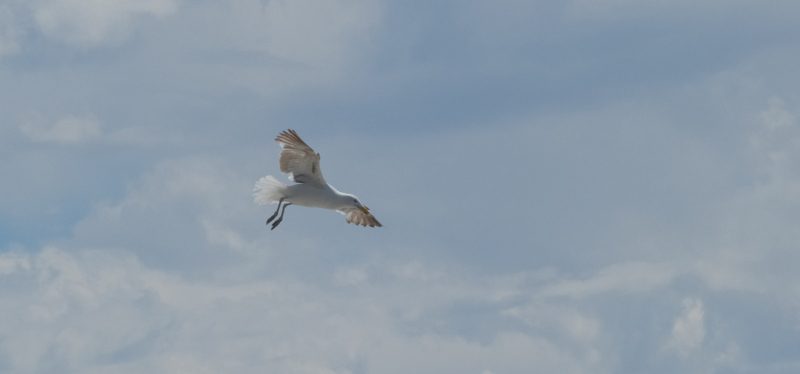
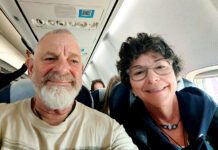
Coming in to land?
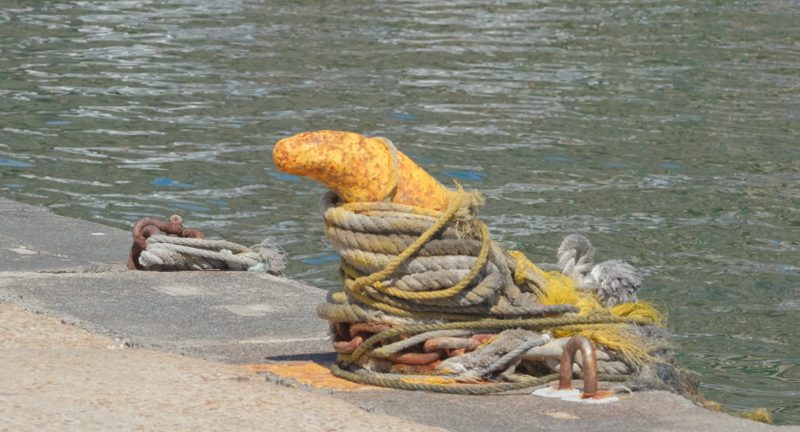
Today, Kalk Bay Harbour is one of South Africa’s last true working harbours — a place where real fishermen still set out at dawn, haul back snoek, yellowtail and kob at midday, and quip about the day’s catch with calling lines that echo over the quay.
With colourful wooden boats tied up like mismatched crayons in a box, it’s no wonder tourists and locals flock here on weekends. They watch fish being auctioned straight from the net, cast lines off the harbour wall, or soak in the ambience with a fresh hake and chips in hand.
Each piece of rope has a story to tell.
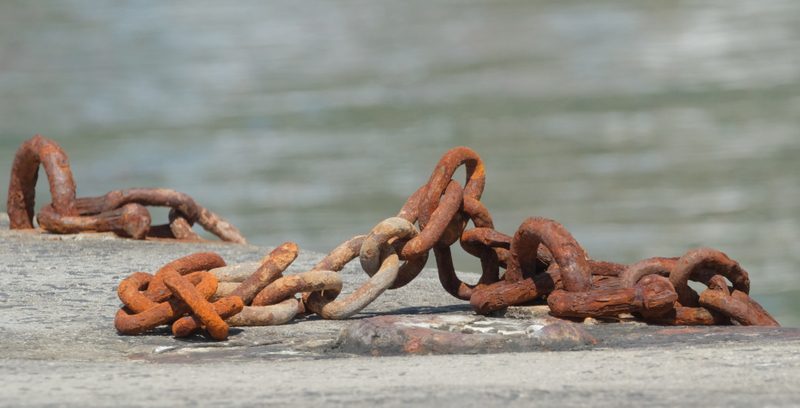
If these could talk, what tales could they tell?
Or is this the Kalk Bay version of Unchained Melody…
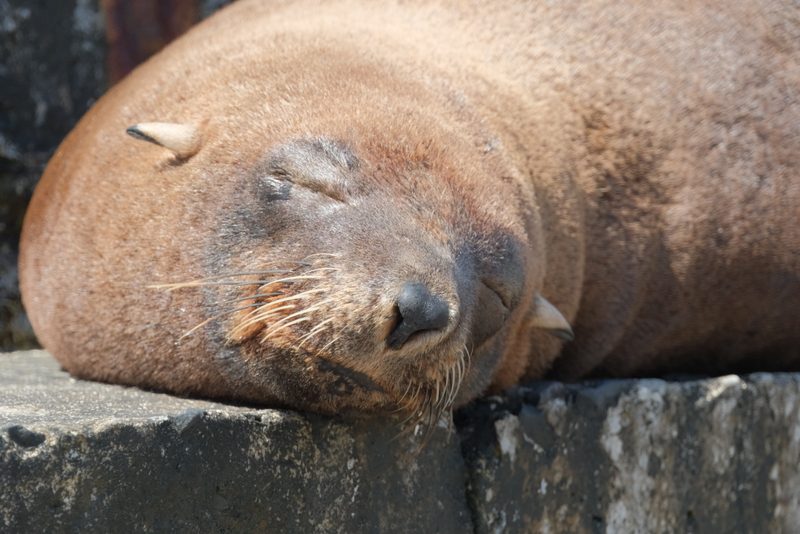
A local seal or two might try to pinch your catch before you even make it to the table!
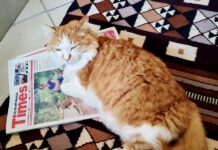
It might look like it is asleep, but be aware. It can move quicker than you think, and they pack a nasty bite.
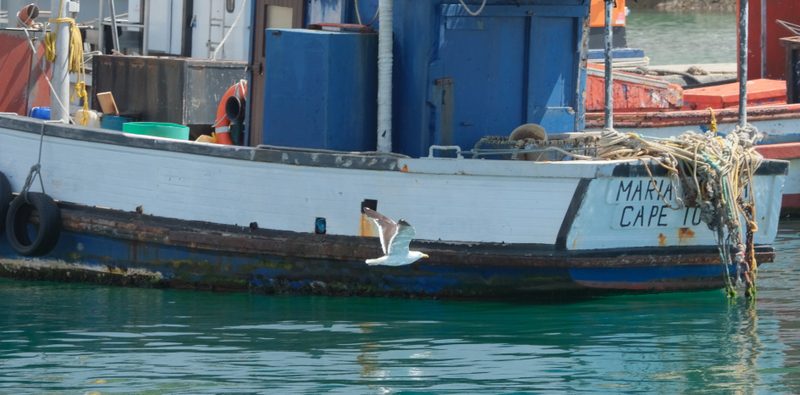
There are always gulls that are willing and able to remove food from your hand or the quay faster than you can say “Voetsak”!
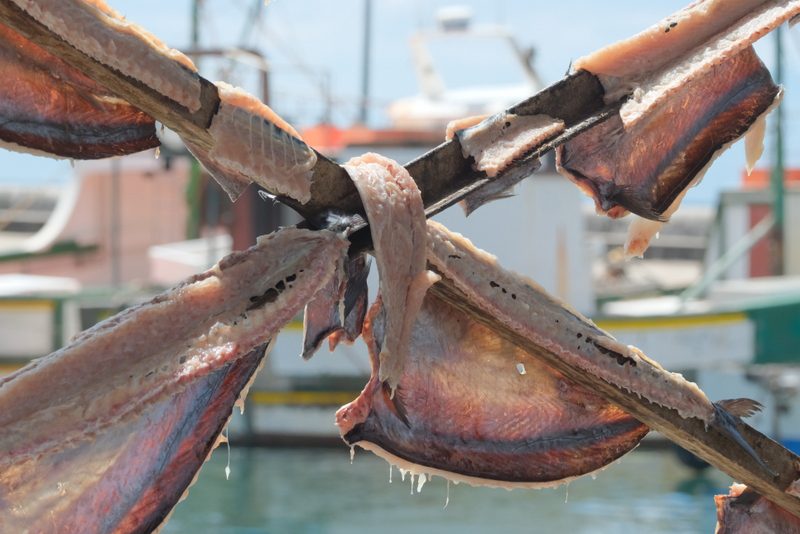
Dried snoek. One of the many species that can be bought directly off the wharf in the harbour.
Out of the vessels, washed, cleaned and presented for sale in the shortest time possible.
If you want fresher fish, you will have to catch it yourself.
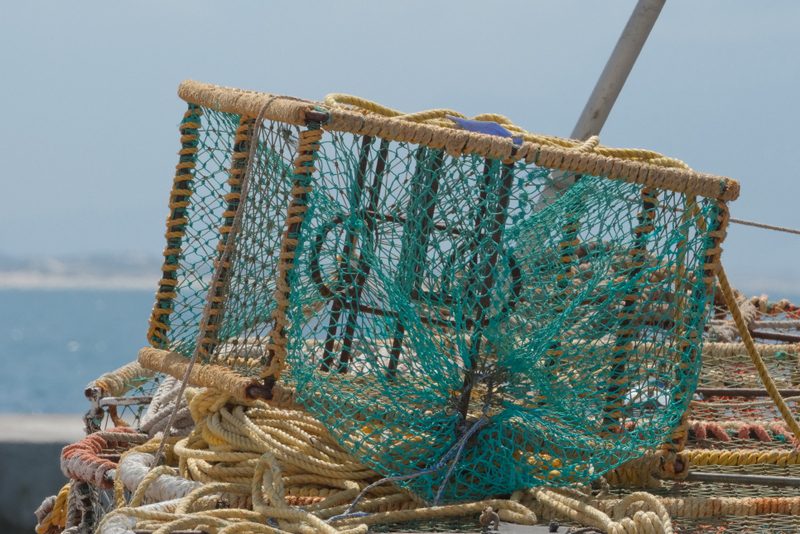
Seafood can be caught in several different ways. This crab/crayfish basket is just one of them.
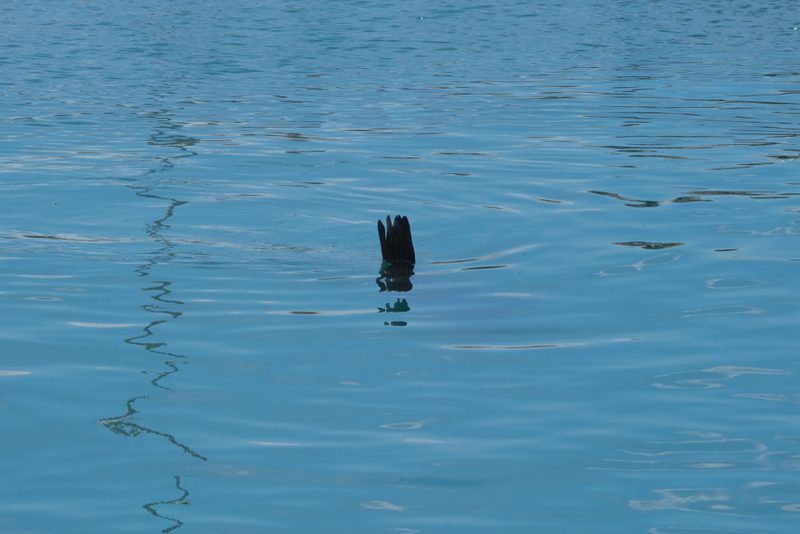
I am not drowning, I am waving.
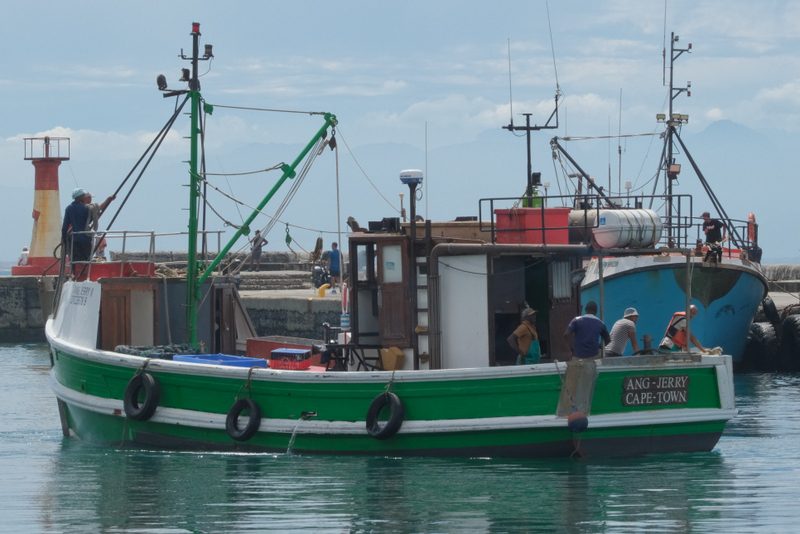
Small and colourful, unlike the large international corporate fishing vessels that patrol our coastline, illegally fishing or without a conscience.
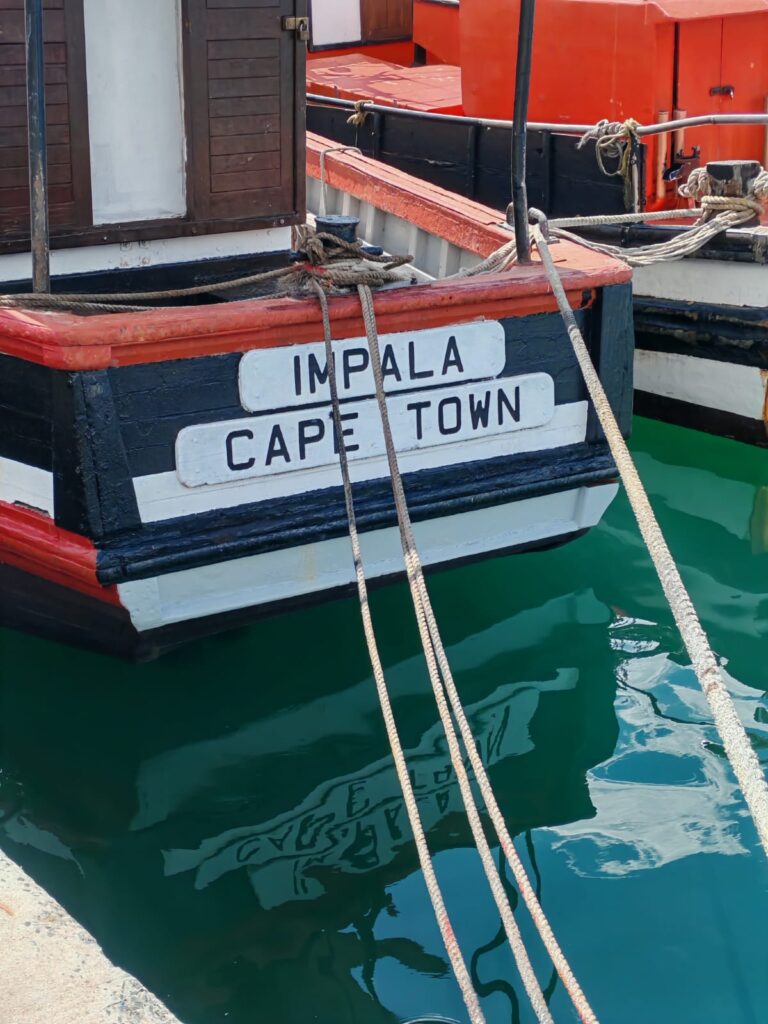
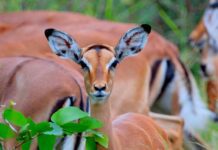
It seems I can find impala in the sea as well as in the bush.
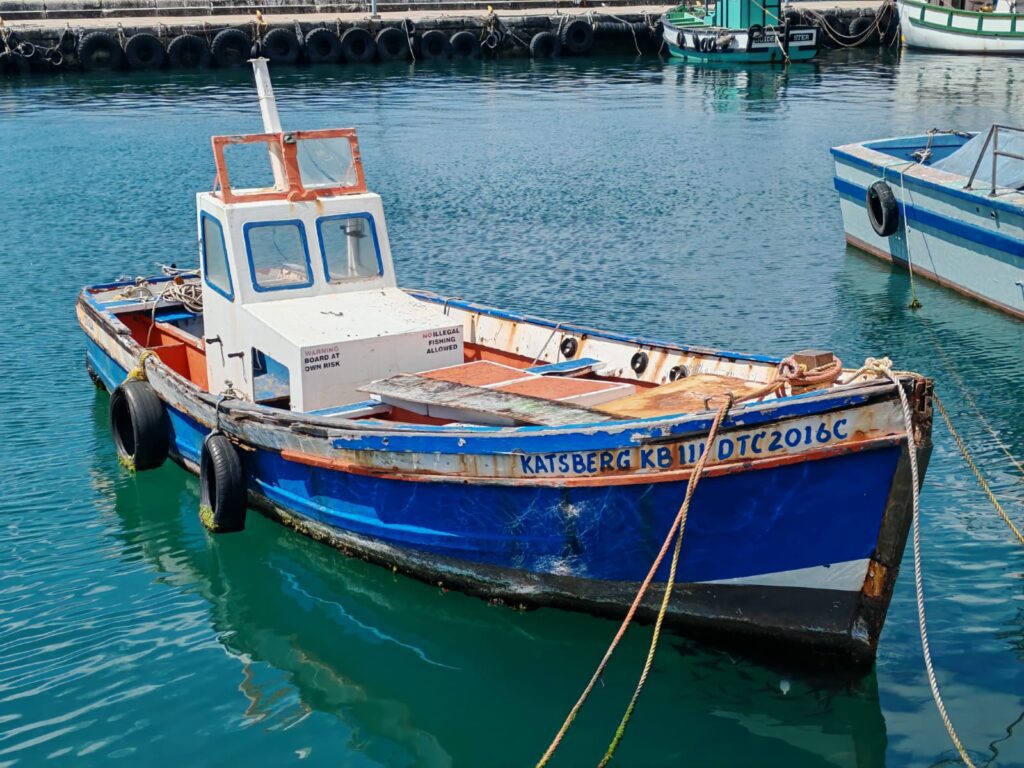
Would YOU go to sea in a vessel this small?
Some have to do it on a daily basis to keep a roof over their heads and food on the table for their families.
These are a breed of fishermen who use tradition to bring in a catch and do not rely on nets and lines that catch and kill species indiscriminately.
So, the next time you tuck into a plate of fish and chips at Kalkies, bear in mind the effort and danger that has brought that meal to your table.
Travel & Things is the proud winner of these prestigious awards from the digital British lifestyle magazine Luxlife.
The awards are in the categories:
Best Travel & Experiences Blog 2024 – South Africa
Best African Game Reserves & Lodges Travel Review Site 2025.
Best African Resorts and Retreats Award 2025.
And the most recent accolade… Most engaging Travel & Lifestyle Blog 2026.

See who the guests have been since the inception of this YouTube channel.
Click on the logo above.

Looking for something to read? Click on the logo above to visit the Off the Shelf YouTube channel for interesting and up-to-date interviews and book reviews.
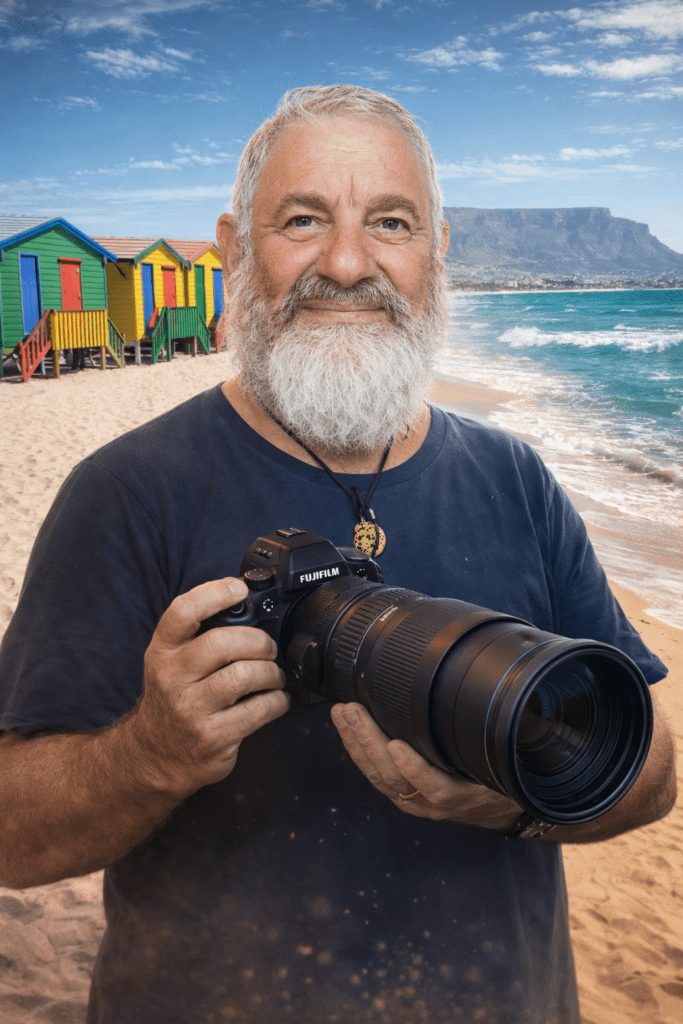
“Hard work never killed anybody, but why take a chance?”
Edgar Bergen
All images are the copyright property of

and may not be used without permission.

All images used in Travel & Things posts are edited using Ribbet software. To learn more about the product and what it offers both amateur and professional photographers, click on the logo above.